Understanding and expressing emotions can be a challenging task, especially for children. A Feeling Faces Chart Printable Free can be an invaluable tool in helping individuals identify and articulate their emotions. This resource not only aids in understanding feelings but also enhances emotional intelligence, which is crucial for personal development and healthy relationships. In this article, we’ll explore how to use this chart effectively, its various applications, and practical tips for printing and utilizing it at home or in educational settings.
What is a Feeling Faces Chart?
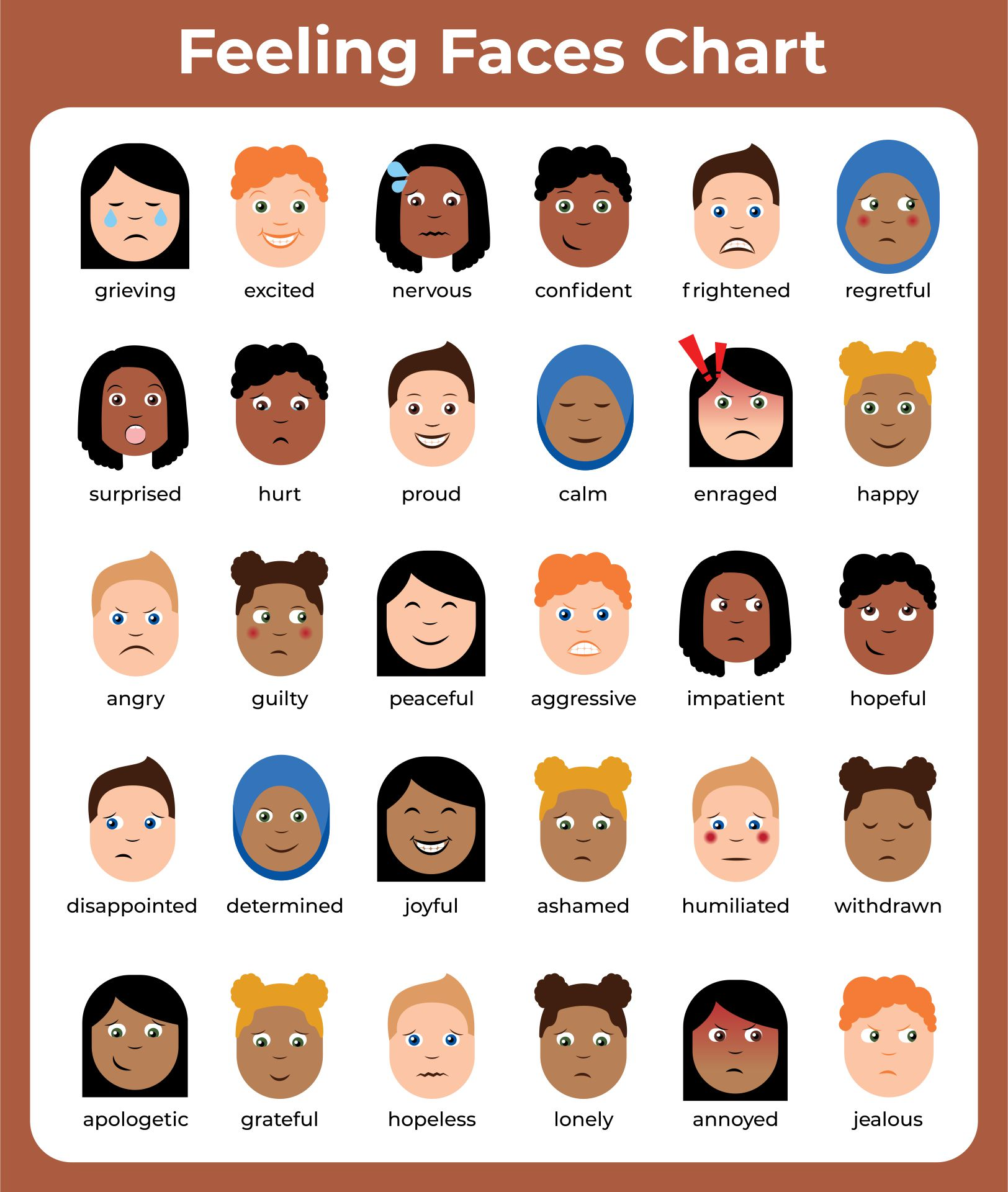
A Feeling Faces Chart is a visual aid featuring various facial expressions that correspond to different emotions. It’s designed to help individuals recognize and label their feelings, making it easier to communicate them verbally. Typically, these charts include a range of emotions such as happiness, sadness, anger, fear, and surprise, often illustrated with corresponding facial expressions.
You can find a Feeling Faces Chart Printable Free online, offering a convenient and accessible way to incorporate this tool into your daily routine. This printable resource is particularly beneficial for parents, teachers, and therapists working with children or anyone who may struggle with emotional expression.
When to Use a Feeling Faces Chart
There are several scenarios where a Feeling Faces Chart can be particularly useful:
- At Home: Parents can use the chart during discussions about emotions. It’s a great tool for helping children articulate their feelings, especially when they may not have the vocabulary to express themselves fully.
- In the Classroom: Teachers can incorporate the chart into social-emotional learning activities, helping students identify their feelings during group discussions or conflict resolution sessions.
- Therapeutic Settings: Therapists often use these charts to facilitate discussions about emotions, providing clients with a visual reference to help them express their feelings more clearly.
- For Self-Reflection: Individuals can use the chart for personal growth, reflecting on their feelings during journaling or mindfulness practices.
How to Fill In the Chart
Filling in a Feeling Faces Chart can be done in various ways, depending on the context in which you’re using it. Here’s a simple guide:
- Choose Your Emotions: Start by selecting the emotions you want to focus on. If you’re using a pre-made chart, it may already include a comprehensive list.
- Identify the Face: Look at the facial expressions and identify which ones resonate with how you or the child feels. You can ask questions like, “Which of these faces looks like how you feel right now?”
- Label the Emotions: Write down the corresponding emotions next to each face. This could be done verbally or by having the individual write it themselves, reinforcing their understanding of the emotions.
- Reflect on Feelings: After labeling, take a moment to discuss why those feelings are being experienced. This step is crucial for deeper emotional understanding.
- Practice Regularly: Use the chart regularly to reinforce emotional vocabulary and understanding. This can be part of a daily or weekly routine.
Tips for Printing and Using Your Chart
When it comes to printing your Feeling Faces Chart, there are a few practical considerations to ensure it’s effective and durable:
- Paper Type: For a chart that will be handled frequently, consider printing on cardstock. This material is sturdier and can withstand wear and tear better than regular printer paper.
- Size Matters: Depending on your needs, you may want to print the chart in different sizes. A larger version can be hung on a wall for easy reference, while smaller ones can be kept in a notebook or binder.
- Laminating: If you plan to use the chart repeatedly, laminating it can prolong its life. Laminated charts can be used with dry-erase markers, allowing for easy updates and changes.
- Color Printing: If possible, print in color. The emotional expressions are more impactful when seen in vibrant colors, making it easier for children to engage with the material.
Where to Find Printable Resources
Finding a Feeling Faces Chart Printable Free is straightforward, thanks to various online resources. Here are some places you can look:
- Educational Websites: Many educational platforms offer free downloadable resources, including feeling charts for different age groups.
- Printable Resource Sites: Websites dedicated to printables often have a range of emotional expression charts available for free download.
- Teachers’ Resources: Many teachers share their resources online, and you can find charts that have been tried and tested in classroom settings.
- Therapy Resources: Websites focused on therapy and mental health often provide printable charts that are specifically designed for therapeutic use.
Incorporating the Chart Into Daily Routines
To maximize the benefits of the Feeling Faces Chart, consider incorporating it into your daily routines:
- Morning Check-Ins: Start the day by asking everyone to identify how they feel using the chart. This can set a positive tone for the day.
- Emotional Moments: When emotions run high, refer to the chart. It can help de-escalate situations by providing a way to communicate feelings without conflict.
- End-of-Day Reflections: At the end of each day, spend a few minutes discussing which emotions were felt and how they were handled. This can reinforce learning and emotional awareness.
- Art Projects: Use the chart as a foundation for art projects. Ask children to draw their interpretations of the emotions shown on the chart, enhancing their engagement and understanding.
Enhancing Emotional Literacy With Additional Resources
While the Feeling Faces Chart is a fantastic tool on its own, you can enhance emotional literacy further with additional resources:
- Books on Emotions: There are many children’s books that focus on emotions. Reading these stories can provide context for the feelings represented on the chart.
- Games and Activities: Incorporate games that involve role-playing emotions or scenarios. This can help reinforce the emotions identified in the chart.
- Journaling: Encourage writing or drawing about feelings daily. This practice can deepen understanding and promote emotional expression.
- Mindfulness Practices: Integrating mindfulness activities can help individuals connect more deeply with their emotions as they learn to recognize and accept them.
Using a Feeling Faces Chart Printable Free can significantly enhance emotional communication and understanding, whether at home, in the classroom, or during therapy sessions. By incorporating this resource into your daily life and utilizing practical tips for printing and application, you can foster a richer emotional vocabulary and a more supportive environment for emotional expression. The journey to understanding emotions is ongoing, and having the right tools can make all the difference.