Fishing is a beloved pastime for many families, providing opportunities for bonding and relaxation. However, choosing the right equipment can sometimes be overwhelming, especially when it comes to fishing hooks. That’s where a Fishing Hook Size Chart Printable comes in handy. This resource helps you quickly identify the appropriate hook sizes for different types of fish, ensuring a more successful fishing trip.
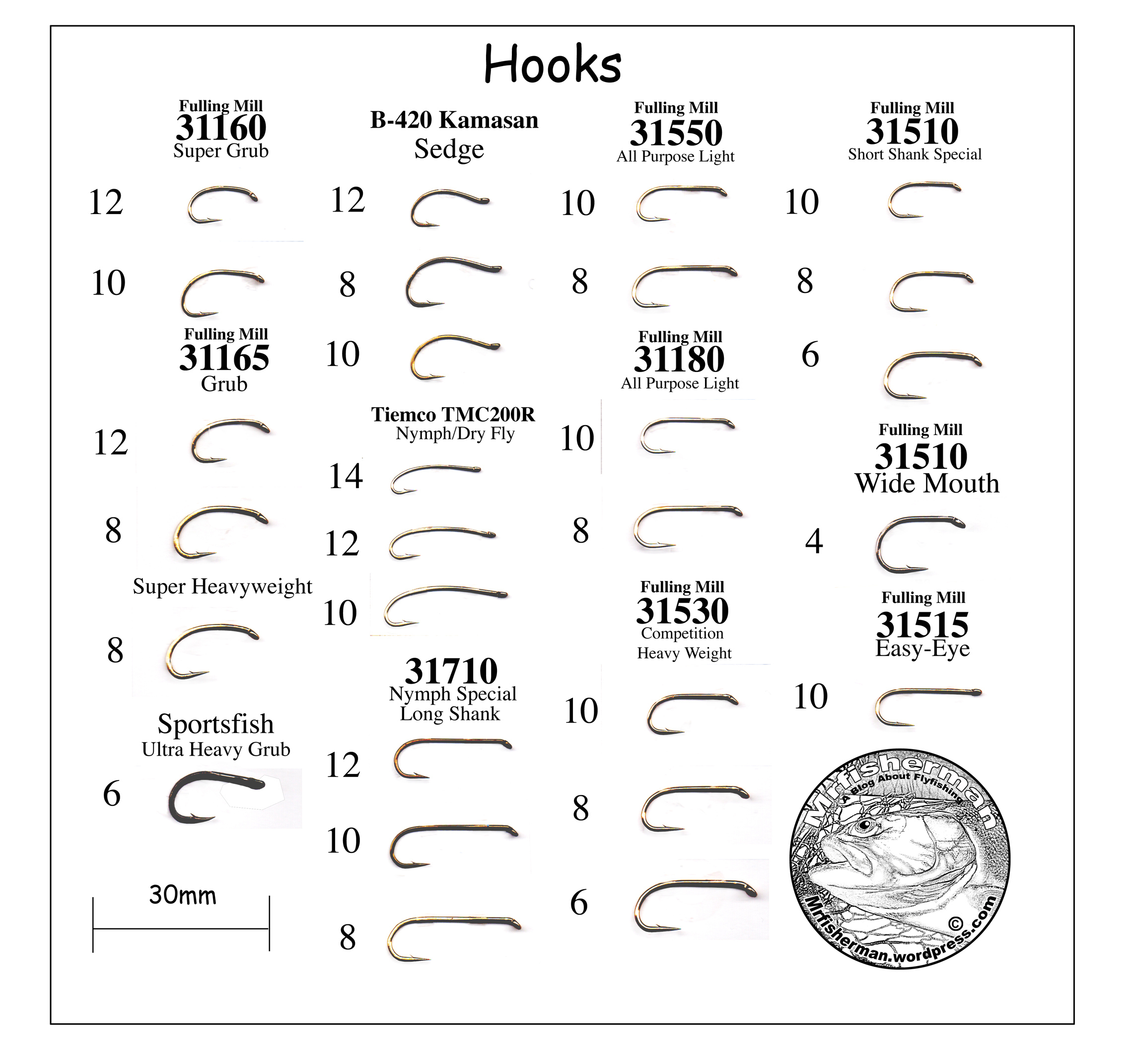
Understanding Hook Sizes
Before diving into how to use the Fishing Hook Size Chart Printable, it’s essential to understand what hook sizes are and why they matter. Fishing hooks come in various sizes, typically ranging from very small (like size 32) to larger sizes (like size 1/0). The size you choose can significantly impact your fishing success.
When you’re fishing, the size of the hook will affect how well it holds onto the fish. A hook that’s too small may not hold the fish properly, while a hook that’s too large can make it difficult for fish to bite. Therefore, knowing the right size for the species you’re targeting is crucial.
Downloading the Fishing Hook Size Chart Printable
The first step in utilizing the Fishing Hook Size Chart Printable is to download it. You can usually find this chart on websites that specialize in fishing resources or printable materials. Ensure that you’re downloading a high-quality PDF file. This will ensure that the chart maintains its clarity when printed.
When searching for your chart, look for one that includes a variety of hook sizes and their corresponding uses. A good chart will also indicate which fish species are best suited for each hook size. This can help you make informed decisions before heading out on the water.
Printing the Chart
Once you have downloaded the Fishing Hook Size Chart Printable, it’s time to print it. Here are some tips to ensure the best results:
- Use Cardstock: For durability, print the chart on cardstock instead of regular paper. This will make it more resistant to wear and tear, especially if you plan to take it outdoors.
- Paper Size: Standard letter size (8.5” x 11”) usually works best for printing. If the chart is formatted differently, ensure your printer settings are adjusted accordingly.
- Print Quality: Select a high-quality print setting to ensure all details are clear. This is especially important if your chart includes small text or intricate details.
Organizing Your Fishing Gear
Now that you have your Fishing Hook Size Chart Printable, it’s essential to organize it within your fishing gear. Having it readily accessible can save you time and confusion while on the water. Here are a few practical tips:
- Create a Fishing Binder: Consider putting the chart in a clear protective sleeve and placing it in a binder along with other fishing resources like regulations, maps, and species identification guides.
- Keep It in Your Tackle Box: Alternatively, you can store it in your tackle box. This way, it’s always on hand when you’re preparing for a fishing trip.
- Refer to It Regularly: Make a habit of checking the chart when selecting your hooks. Over time, you’ll become more familiar with the sizes and their applications.
Filling Out Your Fishing Log
In addition to using the Fishing Hook Size Chart Printable, maintaining a fishing log can help you track your successes and improve your skills. Here’s how you can integrate the chart into your fishing log setup:
- Record Hook Sizes Used: Note down the sizes of hooks you used for different species and the results. This will help you identify which sizes work best for you in various conditions.
- Weather and Conditions: Include notes about the weather, water temperature, and time of year. These factors can influence fish behavior and help you make better choices in the future.
- Patterns: Over time, you may notice patterns in which hook sizes yield the best results. Use this information to refine your technique on future trips.
Tips for Choosing the Right Hook Size
When it comes to selecting the right hook size, here are some practical tips to keep in mind:
- Match the Hook to the Bait: The hook size should be proportional to the bait. Smaller baits require smaller hooks, while larger baits need larger hooks. This ensures that the fish can take the bait without feeling resistance.
- Know Your Target Fish: Familiarize yourself with the fish species you’re targeting. Research their mouth sizes and feeding habits, as this will guide your hook size choices.
- Experiment: Don’t hesitate to try different hook sizes until you find what works best for you. Fishing can be unpredictable, and what works one day may not work the next.