Sometimes, on a Sunday evening, I find myself gathering the family around the kitchen table, ready to plan out our week. It’s a moment filled with chatter, scribbles, and a lot of excitement about what’s ahead. One essential item I always reach for during these planning sessions is the Daily Routine Chart For Autistic Child Printable. This handy tool not only helps organize our days but also provides a visual structure that many children, especially those on the autism spectrum, thrive on. Let’s explore how this printable can seamlessly fit into your family’s routine and how you can effectively utilize it.
Understanding the Daily Routine Chart
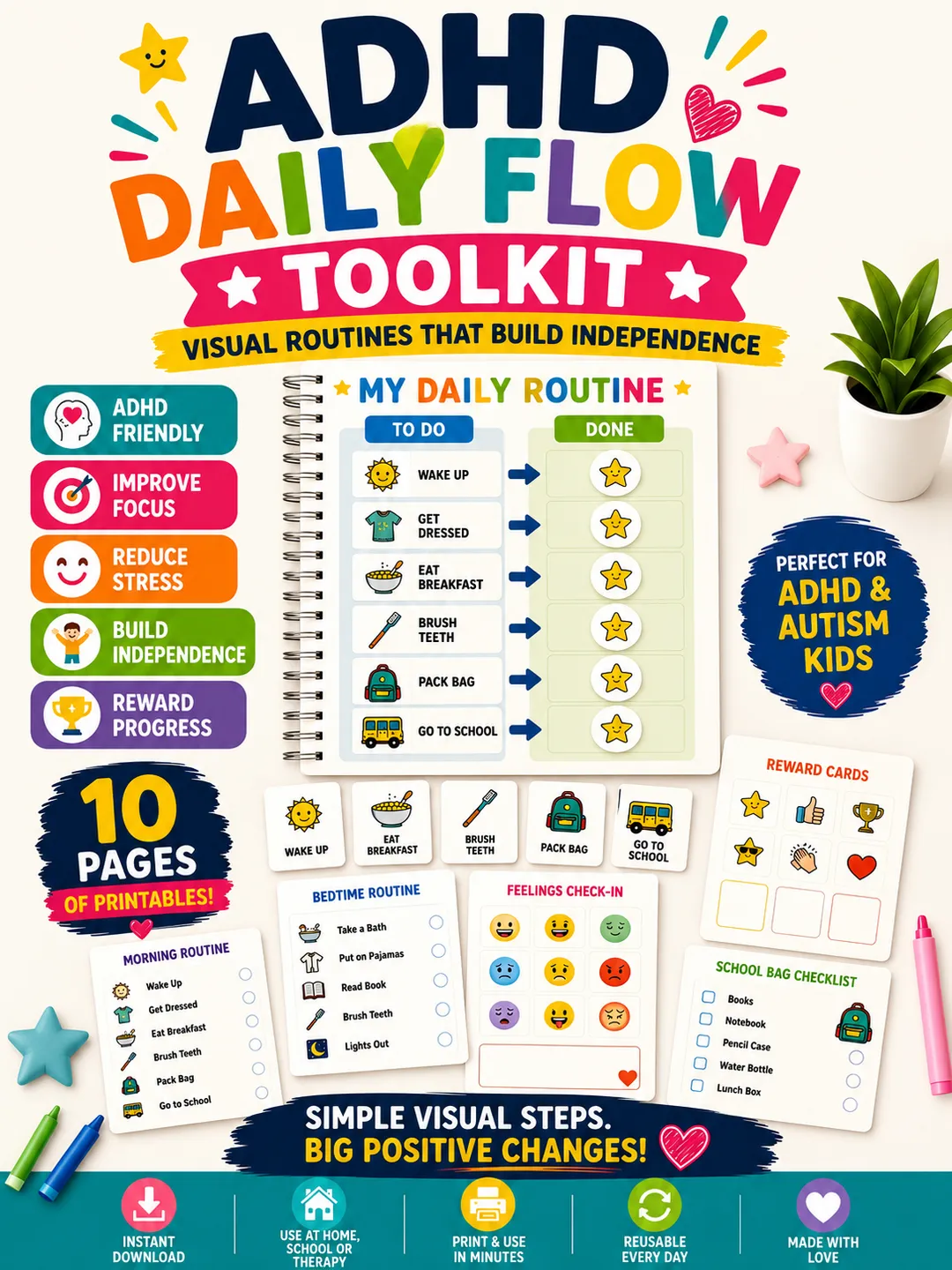
A Daily Routine Chart is a visual representation of the tasks and activities planned throughout the day. For autistic children, having a clear, consistent routine can reduce anxiety and help them understand what to expect. This printable comes in various formats, often featuring colorful images and simple language that makes it easy for children to follow.
You might be wondering how to adapt this chart to suit your child’s specific needs. It’s all about personalization. You can incorporate pictures of your child engaged in different activities, whether it’s brushing teeth, having breakfast, or going for a walk. This visual aid not only boosts comprehension but also encourages independence as children learn to check off tasks as they complete them.
How to Implement the Chart in Your Daily Routine
Step 1: Identify Daily Activities
Start by listing out the daily activities your child engages in. This could include morning routines like getting dressed, breakfast time, school activities, and bedtime routines. You can also incorporate chores such as feeding pets or tidying their room. The more specific you are, the better!
Step 2: Create the Chart
Using the Daily Routine Chart For Autistic Child Printable, fill in the identified activities. You can print it out in a landscape or portrait layout, depending on your preference. Landscape tends to work better for most home printers, especially if you want to include images alongside text.
Consider using cardstock, as it holds up better if you plan to laminate the chart for durability. Lamination allows for easy cleaning, and dry-erase markers can be used to check off tasks, making it reusable.
Step 3: Involve Your Child
Involve your child in the creation process. Let them choose images or colors for their chart. This engagement can help them feel more connected to their routine. You might even create a small “celebration” system where they receive a sticker or small reward for completing tasks.
Step 4: Display the Chart
Hang the chart in a visible spot, such as on the refrigerator or in their bedroom. Consistent visibility helps reinforce the routine daily. You can also place it at their eye level to encourage them to engage with it independently.
Rotating Responsibilities Within the Family
One effective way to incorporate the Daily Routine Chart is by rotating family responsibilities. This not only teaches your child about teamwork but also helps them understand that everyone contributes to the household.
Assigning Roles
Assign specific tasks to each family member. For example, one week, you might take on the role of preparing breakfast, while your partner handles bedtime stories. Rotate these responsibilities weekly or bi-weekly. This not only keeps things fresh but also allows your child to see how different tasks are managed.
Encouraging Independence
As your child becomes more familiar with their routine, encourage them to take ownership of specific tasks. For instance, if they enjoy helping with dinner, they can assist in setting the table or picking out ingredients. This practice fosters independence and builds confidence.
Adapting the Chart for Different Scenarios
The beauty of the Daily Routine Chart For Autistic Child Printable is its adaptability. You can modify it to fit different scenarios, whether it’s a school day, weekend, or holiday.
School Days Vs. Non-School Days
On school days, the chart might include tasks like “Get ready for school,” “Pack lunch,” and “Homework time.” On weekends, you can switch it up with activities like “Family game night,” “Outdoor play,” or “Movie day.” This flexibility helps your child adjust to different schedules while still providing the comfort of a routine.
Special Occasions
For special occasions like birthdays or holidays, you can create a themed version of the chart. Incorporate tasks that relate to the celebration, such as “Decorate the cake” or “Open presents.” This adds an element of fun while still maintaining structure.
Reviewing and Adjusting the Chart
Just as routines can change, so can your child’s needs. Regularly reviewing the Daily Routine Chart is crucial to ensure it remains relevant and effective.
Weekly Check-Ins
At the end of each week, sit down with your child and review what worked well and what didn’t. Were there tasks that were too challenging? Did they enjoy certain activities more than others? Use this feedback to adjust the chart accordingly.
Encouraging Feedback
Encourage your child to share their thoughts on the routine. This could be done through a simple conversation or a fun drawing activity where they illustrate what they liked or didn’t like about the week. This practice helps them feel heard and valued.
Next Steps: Utilizing the Printable
Now that you have a solid understanding of how to create and implement a Daily Routine Chart For Autistic Child Printable, it’s time to take action. Download the printable, gather your family for a planning session, and start customizing it to fit your unique routine.
Remember, the key is consistency and engagement. With a little effort, this chart can become a vital part of your child’s daily life, providing them with the structure and support they need to thrive. Happy planning!