Understanding the order of draw in blood collection is crucial for any healthcare professional. The Printable Order Of Draw Chart serves as a handy reference to ensure accurate blood sample collection. This chart outlines the correct sequence for drawing blood specimens, which helps prevent contamination and ensures the integrity of test results. In this article, we’ll explore the importance of this chart, how to use it effectively, and tips for keeping it accessible.
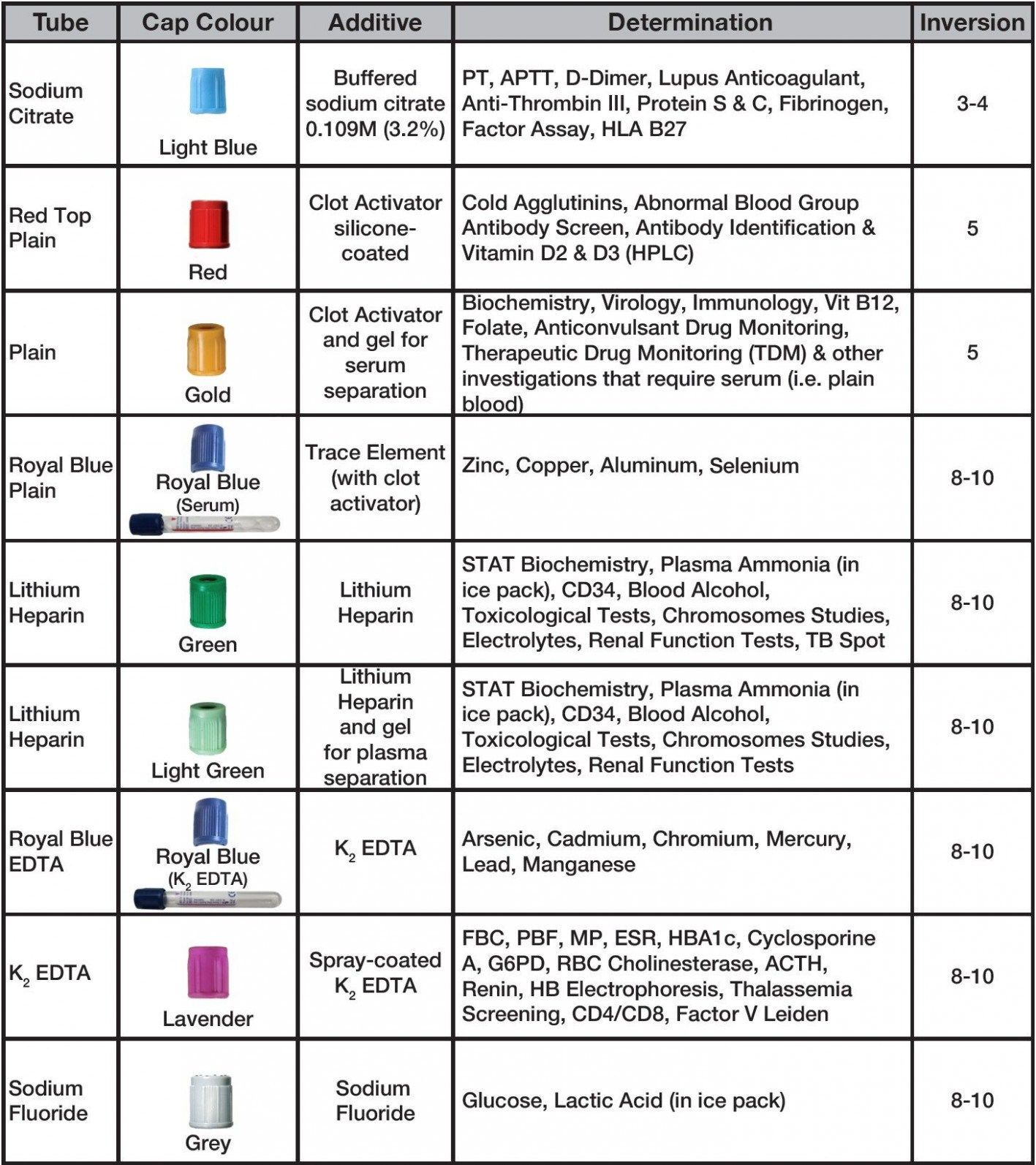
What is a Printable Order Of Draw Chart?
The Printable Order Of Draw Chart is a visual reference tool used by phlebotomists and healthcare providers. It details the specific order in which blood samples should be collected from a patient. Following the correct order is vital to minimize the risk of cross-contamination between different tests, which can lead to inaccurate results.
Typically, the order of draw is as follows:
- Blood culture bottles
- Light blue top (sodium citrate)
- Red top (no additive)
- Gold top (SST)
- Green top (heparin)
- Lavender top (EDTA)
- Gray top (glycolytic inhibitor)
Having this chart printed out can be a quick guide during blood draws, especially in busy clinical settings.
Who Needs This Chart?
This chart is beneficial for various individuals:
- Phlebotomists: They rely on it to ensure correct blood collection procedures during their daily tasks.
- Nurses: Nurses who perform blood draws can use the chart as a reference to avoid mistakes.
- Medical Students and Trainees: It serves as an educational tool for those learning about blood collection techniques.
- Laboratory Technicians: They can refer to it when preparing samples for testing.
Overall, anyone involved in the blood collection process can benefit from having this chart on hand.
How to Use the Printable Order Of Draw Chart
Using the Printable Order Of Draw Chart is straightforward. Here’s how you can make the most out of it:
- Download and Print: Get the chart from a reliable source. Make sure to print it on a durable paper, ideally cardstock, to withstand frequent handling. A portrait layout generally works best for home printers.
- Keep it Accessible: Place the printed chart in a visible area in your workspace. Consider using a clipboard or hanging it on a wall near your blood collection station.
- Familiarize Yourself: Spend some time reviewing the chart. Familiarity with the order of draw will increase your confidence during blood draws and improve efficiency.
- Refer During Procedure: When preparing for a blood collection, glance at the chart to confirm you’re following the correct sequence. This is particularly helpful if you’re drawing multiple samples.
- Update Regularly: If you’re using a version that may become outdated, ensure you have the latest version of the chart. This is important as guidelines can change.
Presentation Quality Matters
When it comes to the Printable Order Of Draw Chart, the presentation quality can affect usability. Here are some tips to improve how it looks and feels:
- Use Cardstock: For durability, print the chart on cardstock. This will help it withstand frequent use without tearing or creasing.
- Lamination: Consider laminating the chart if you expect heavy usage. This will protect it from spills, stains, and wear.
- Color Printing: If possible, use color printing. A visually distinct chart can make it easier to read quickly during busy situations.
Common Mistakes to Avoid
Even with a Printable Order Of Draw Chart, errors can occur. Here are some common pitfalls to avoid:
- Ignoring the Order: Skipping steps or drawing out of order can lead to contamination. Always check the chart before starting.
- Neglecting to Update: If you find a new version of the chart, update your printed copy immediately. This ensures you’re working with the correct information.
- Not Sharing: If you work in a team, make sure everyone has access to the chart. Share it with colleagues to promote consistency in practice.
Where to Find More Resources
In addition to the Printable Order Of Draw Chart, you might find other useful resources for blood collection and phlebotomy practices:
- Workplace Training Materials: Many healthcare facilities provide training manuals that include the order of draw and other essential practices.
- Online Courses: Numerous online platforms offer courses on phlebotomy, often including downloadable resources.
- Professional Guidelines: Organizations such as the Clinical and Laboratory Standards Institute (CLSI) offer guidelines that can be referenced for best practices.
These resources can enhance your understanding and skills in blood collection, reinforcing the importance of using the order of draw correctly.