Using a Printable Reward Chart For Kids can be a game-changer in your parenting toolkit. If you’ve tried various methods to encourage good behavior but haven’t found the right fit, this chart may be just what you need. It’s a simple yet effective way to provide visual motivation for your children, helping them understand expectations and rewards. In this article, I’ll guide you through how to set up and utilize this resource effectively, making it a seamless part of your daily routine.
Understanding the Layout of a Printable Reward Chart
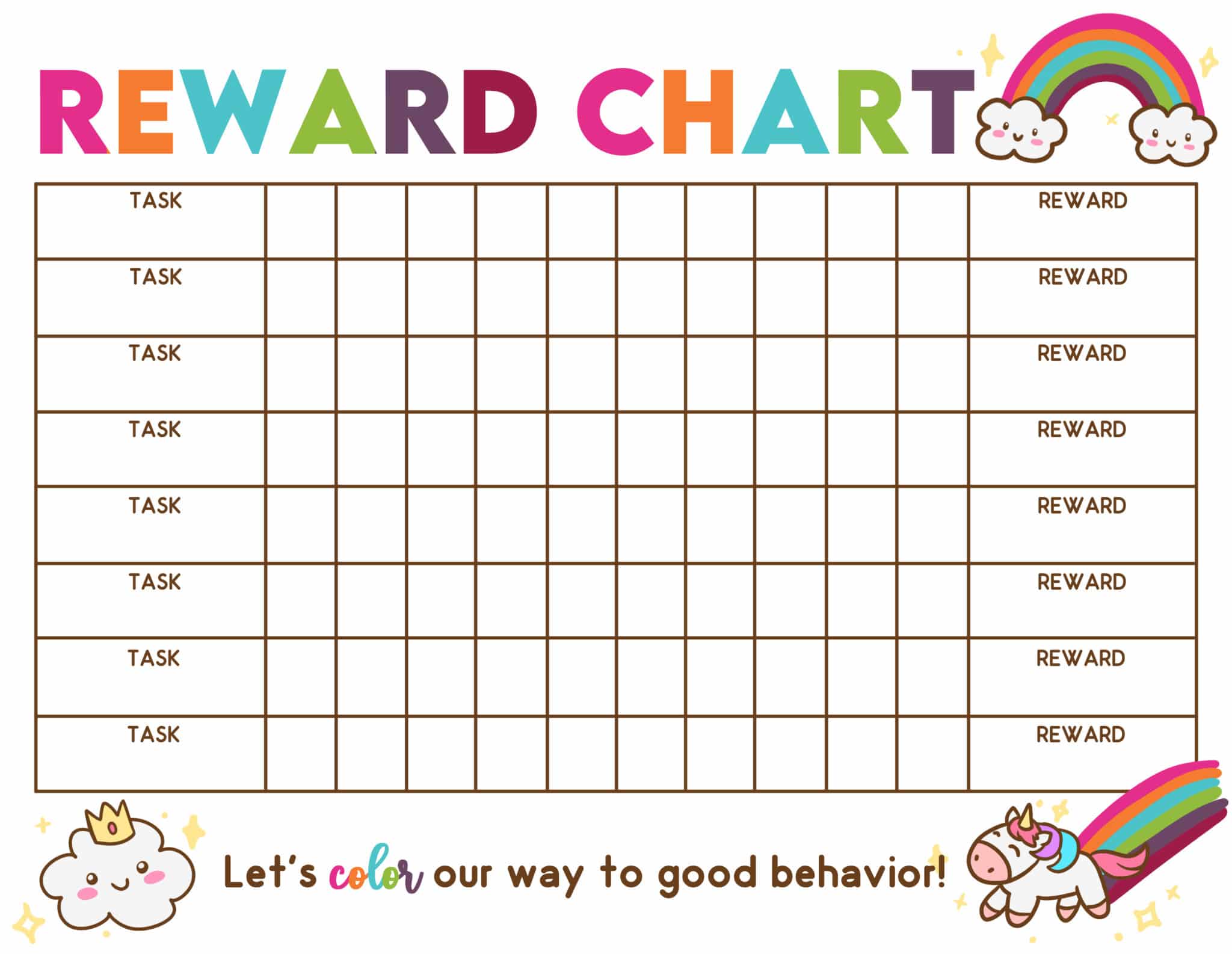
When you first download a Printable Reward Chart For Kids, you’ll notice a structured layout designed for clarity and usability. Typically, these charts feature rows and columns, allowing you to organize information easily.
The rows usually represent different behaviors or tasks you want to encourage, such as “Homework Completion,” “Chores,” or “Good Manners.” Each column is reserved for tracking daily or weekly progress, often marked with stickers, checkmarks, or even colors to indicate completed tasks.
This layout does more than just track progress; it helps children see their achievements visually. For example, a star sticker for each completed task can be more motivating than just verbal praise alone. The tactile element of placing a sticker can make the experience engaging for kids.
How to Fill Out the Reward Chart
Filling out the Printable Reward Chart is straightforward but requires some thought to maximize its effectiveness. Start by selecting the behaviors you want to encourage. Write these in the first column of the chart.
Next, decide on a timeline—daily, weekly, or even monthly. For younger children, daily tracking may be more effective, while older kids might benefit from a weekly overview.
As you fill in the chart, encourage your child to participate. Let them choose which behaviors they want to work on. This not only empowers them but also increases their investment in the process. For example, if your child is excited about a specific reward, they might be more willing to work for it.
You can also include a rewards section at the end of the chart. This could be anything from extra screen time to a small toy. Make sure the rewards are attainable, as this will encourage them to keep striving for their goals.
Choosing the Right Presentation Quality
The presentation quality of your Printable Reward Chart matters significantly, especially if you plan to display it prominently in your home. Here are a few tips on how to ensure it looks its best:
- Paper Type: Using cardstock instead of regular printer paper can enhance durability. If you think your child might be using it frequently, consider printing on heavier paper to withstand wear and tear.
- Printing Options: For best results, print in color. This makes the chart visually appealing and engaging for kids. If your home printer struggles with color quality, consider using a local print shop.
- Lamination: If you want the chart to last longer, consider laminating it. This allows you to use dry-erase markers to track progress, making it easy to update without needing to print a new one each time.
- Size Matters: A standard size of 8.5×11 inches works well for most home spaces. However, if you want to hang it on a wall, you might opt for a larger size for better visibility.
Integrating the Reward Chart Into Your Daily Routine
To make the most of your Printable Reward Chart For Kids, it’s essential to integrate it into your daily routine seamlessly. Here’s how:
- Daily Check-Ins: Set a specific time each day for your child to review their chart. This could be during dinner or just before bedtime. It’s a great opportunity to reinforce positive behavior and discuss any challenges they faced.
- Celebrate Achievements: When your child reaches a milestone, celebrate it! This could be as simple as verbal praise or a special family activity. Celebrating success reinforces the behavior you want to see.
- Adjustments as Needed: Don’t hesitate to make changes to the chart as your child grows or as their needs change. If a task becomes too easy or too difficult, adjust it accordingly.
- Involve the Family: Make the reward system a family affair. Encourage siblings to support each other in completing tasks. This not only fosters teamwork but also creates a supportive environment.
- Be Consistent: Consistency is key. Make sure that you are regularly checking in and rewarding behaviors as outlined in the chart. Inconsistency can lead to confusion and frustration for your child.
Effective Reward Ideas for Kids
The rewards you choose can significantly impact the effectiveness of your Printable Reward Chart. Here are some ideas tailored to different age groups:
- Younger Kids (Ages 3-6): Stickers, extra bedtime stories, or a small toy can be highly motivating. These rewards are often the most effective for this age group, as they love instant gratification.
- Elementary Aged Kids (Ages 7-12): Think about offering privileges like choosing a family movie, a playdate with a friend, or extra screen time. These rewards feel more significant and can encourage ongoing effort.
- Tweens and Teens (Ages 13+): For older kids, consider rewards tied to their interests—like a trip to a favorite restaurant, a new book, or even a small amount of spending money. This age group often appreciates rewards that feel more adult.
Remember that the most effective rewards resonate with your child’s interests. Ask them what they would find motivating and incorporate their feedback into your reward system.
Tips for Making the Most of Your Reward Chart
To ensure your Printable Reward Chart is as effective as possible, consider these additional tips:
- Keep It Visible: Place the chart somewhere your child can see it daily. This constant visibility serves as a reminder of their goals.
- Make It Engaging: Allow your child to decorate their chart. This could involve coloring or adding stickers. When they take ownership of the chart, they’re more likely to engage with it.
- Use Positive Language: When discussing the chart, focus on the positive aspects of their progress. Instead of pointing out what they haven’t achieved, celebrate what they have.
- Adjust Goals as Necessary: If a specific task becomes too easy, consider raising the bar. Conversely, if a task seems daunting, it might be wise to simplify it temporarily.
- Encourage Reflection: At the end of each week or month, sit down with your child to discuss their progress. Ask them what they enjoyed, what was challenging, and what they’d like to work on next.
By integrating these elements and using the Printable Reward Chart For Kids effectively, you’ll not only encourage positive behavior but also foster a sense of responsibility and accomplishment in your children. Whether you’re focused on improving daily chores or encouraging better behavior, this resource can become an invaluable part of your parenting toolkit.