If you’re looking to enhance your home remedy toolkit or simply want to cook with fresh herbs, a Free Printable Medicinal Herb Chart can be incredibly useful. This chart helps you organize important information about various herbs, including their medicinal properties, uses, and even tips for growing them at home. Whether you’re a seasoned herbalist or just starting, this resource is designed to make herbal knowledge accessible and practical for you and your family.
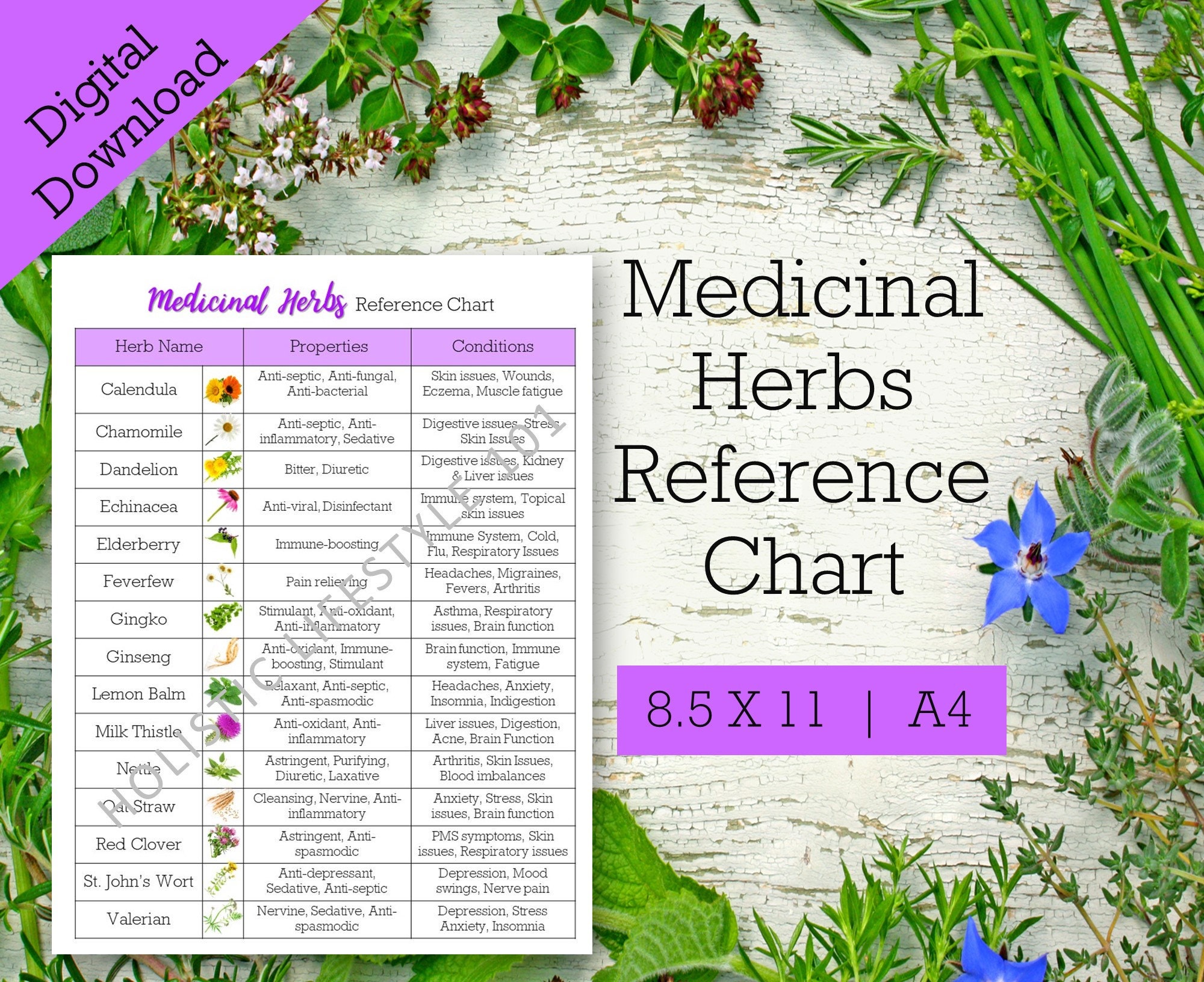
What is a Medicinal Herb Chart?
A medicinal herb chart is a visual guide that details the different types of herbs, their benefits, and ways to use them. It typically includes:
- Herb Names: Common and scientific names.
- Uses: A brief description of medicinal properties.
- Preparation Methods: Ways to prepare or consume the herbs.
- Growing Tips: Basic care instructions if you plan to grow them yourself.
Having this information in a printable format makes it easy to reference while cooking, crafting herbal remedies, or gardening.
Why You Need a Free Printable Medicinal Herb Chart
Herbs have been used for centuries for their health benefits. A chart serves multiple purposes:
- Quick Reference: Easily check which herbs can help with specific ailments or enhance your meals.
- Educational Tool: Teach your children about plant-based remedies and healthy eating.
- Gardening Aid: If you’re growing herbs at home, this chart can guide you on care and usage.
It’s a handy resource that can fit into your cooking, gardening, and wellness routines seamlessly.
How to Use the Medicinal Herb Chart
Using your Free Printable Medicinal Herb Chart is straightforward. Here’s how to make the most of it:
1. Identify Your Needs
Before you look at your chart, consider what you want to accomplish. Are you looking to relieve a specific ailment, like a sore throat? Or do you want to enhance a dish with fresh herbs? Knowing your goal will help you navigate the chart effectively.
2. Locate the Herbs
Find the herbs that match your needs. For instance, if you’re looking for ways to boost your immune system, you might focus on garlic, echinacea, or ginger. The chart will provide you with their medicinal properties.
3. Explore Preparation Methods
Each herb will usually come with preparation methods. Some can be used fresh, while others might be more effective as teas, extracts, or tinctures. This information is crucial for maximizing the benefits of the herbs you choose.
4. Follow Growing Tips
If you’re interested in growing your herbs, take advantage of the growing tips section. Knowing the best conditions for each herb—like sunlight, soil type, and watering schedule—will help you cultivate a thriving herb garden at home.
Presentation and Printing Tips
To make your Free Printable Medicinal Herb Chart as usable as possible, consider how you print it:
- Paper Quality: Use a heavier paper or cardstock for durability, especially if you’re planning to hang it in your kitchen or workspace.
- Size: Choose a size that fits your space; a larger print can be easier to read at a glance.
- Color vs. Black and White: A color print can make the chart more visually appealing, helping you quickly locate information.
Recommended Print Settings
- Orientation: Landscape orientation often works better for charts, allowing for more horizontal space.
- Quality: Set your printer to high quality to ensure all text is sharp and clear.
Adapting the Chart for Family Use
If you have kids, you might consider involving them in the process. Here are a few ideas:
- Coloring: Print a black-and-white version for them to color, making it a fun educational activity.
- Cooking Together: Use the chart as a guide for cooking together, encouraging them to choose herbs for dishes you make as a family.
- Gardening Projects: Assign them a specific herb to grow, teaching them responsibility and the basics of gardening through hands-on experience.
Expanding Your Herbal Knowledge
While the Free Printable Medicinal Herb Chart is a great start, you can further enhance your herbal knowledge by:
- Reading Books: Look for books on herbal medicine that offer in-depth information on each herb.
- Joining Local Workshops: Many communities host workshops on herbalism. This can provide practical experience and knowledge.
- Online Resources: Websites and forums can offer additional insights, recipes, and personal experiences from other herbal enthusiasts.