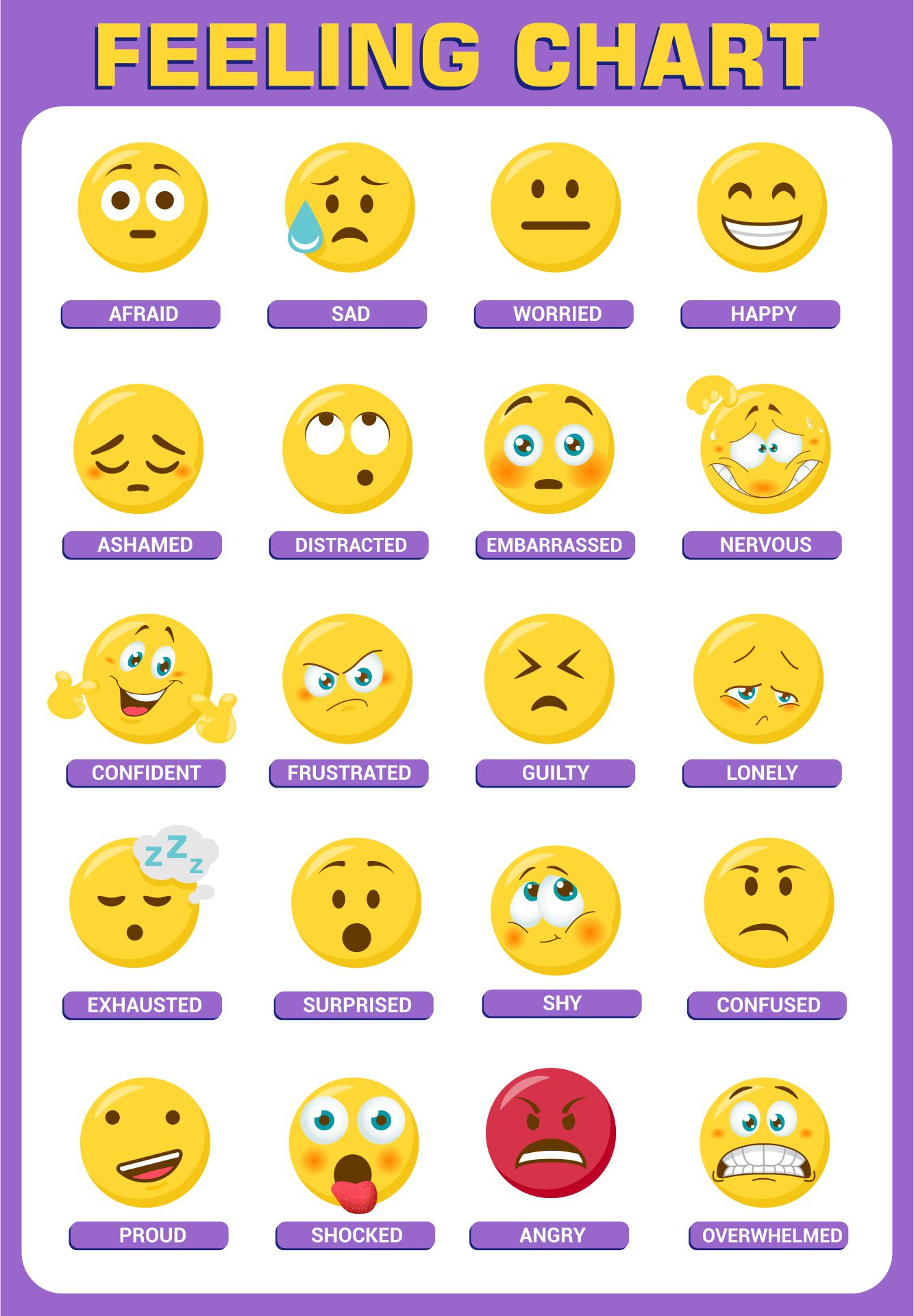
Using a Free Printable Emoji Feelings Chart can be a fantastic way to help your child articulate their emotions. As a parent, I’ve found that children sometimes struggle to express how they feel. This chart can be a helpful tool to bridge that gap, making it easier for them to communicate what’s on their mind.
What is an Emoji Feelings Chart?
An Emoji Feelings Chart is a visual aid that uses various emoji faces to represent different emotions. This resource is especially useful for younger children who may not yet have the vocabulary to express their feelings verbally. With a range of expressions from happy and sad to angry and confused, the chart allows children to point to an emoji that best represents how they feel at any given moment.
How to Use the Emoji Feelings Chart
Using the Free Printable Emoji Feelings Chart is straightforward, but its effectiveness relies on regular use and integration into your child’s daily routine. Here are some practical ways to use the chart:
- Daily Check-Ins: Set aside a few minutes each day for a feelings check-in. Ask your child to point to the emoji that reflects their mood. This can be a great conversation starter about their day.
- During Emotional Moments: If your child is upset or acting out, prompt them to use the chart to identify their feelings. This can help them articulate their emotions rather than express them through behavior.
- In School: Teachers can use the chart in classrooms to help students express how they are feeling, especially during group activities or discussions.
- As a Relaxation Tool: If your child is feeling overwhelmed, the chart can be used as a calming exercise. Have them choose an emoji and talk about why they picked it, which can provide insight into their emotional state.
Where to Download and Print
The Free Printable Emoji Feelings Chart can usually be found on various printable resource websites. When downloading, look for a PDF version; this format often maintains the layout best and prevents any reformatting issues that can occur with image files. Here are some tips for printing:
- Paper Size: A standard letter size (8.5 x 11 inches) works best for most home printers.
- Color Printing: Use color printing to ensure the emojis are vibrant and engaging.
- Cardstock: If you plan to use the chart frequently, consider printing it on cardstock for durability.
Choosing the Right Chart for Your Child
While many versions of the Emoji Feelings Chart are available online, it’s essential to select one that fits your child’s age and emotional development. Here are some factors to consider:
- Age Appropriateness: Ensure that the emojis are relatable for your child. Younger kids may need simpler, more cartoonish faces, while older kids might connect better with more nuanced expressions.
- Variety of Emotions: Look for a chart that includes a wide range of feelings, including positive, neutral, and negative emotions. This variety can help your child learn to identify and express a broader spectrum of feelings.
- Visual Appeal: Choose a chart that is colorful and engaging. The more visually appealing it is, the more likely your child will use it regularly.
Incorporating the Chart Into Everyday Life
To make the most of the Free Printable Emoji Feelings Chart, incorporate it into your everyday life. Here are some creative ideas to help your child engage with the chart:
- Story Time: After reading a book, ask your child how they think the characters felt during different parts of the story. Use the chart to help them articulate those emotions.
- Art Projects: Encourage your child to create their own emoji faces representing different feelings. This can be a fun art project that reinforces their understanding of emotions.
- Emotion Journaling: Consider pairing the chart with a simple journal. After a check-in, have your child write or draw about their feelings that day.
Common Mistakes to Avoid
While using the Free Printable Emoji Feelings Chart can be beneficial, there are some common pitfalls to avoid:
- Forcing Expression: Don’t pressure your child to choose an emoji if they’re not comfortable. The goal is to encourage communication, not to make them feel cornered.
- Neglecting Follow-Up: After your child selects an emoji, make sure to ask open-ended questions about why they chose that emotion. This can lead to deeper discussions and help them understand their feelings better.
- Inconsistent Use: Make it a routine. If the chart is used sporadically, it may lose its effectiveness. Integrate it into your daily or weekly routine to keep the lines of communication open.
By regularly using the Free Printable Emoji Feelings Chart, you’ll help your child develop emotional awareness and communication skills, which are crucial for their overall development.