Understanding and expressing feelings can be a challenge for many children. As a parent, I’ve noticed that having a structured way to communicate emotions can make a significant difference in how kids process their feelings. This is where a Feelings Chart For Classroom Printable comes into play. This resource is designed to help children identify and articulate their emotions, fostering better communication and emotional intelligence in a safe environment.
What Is a Feelings Chart?
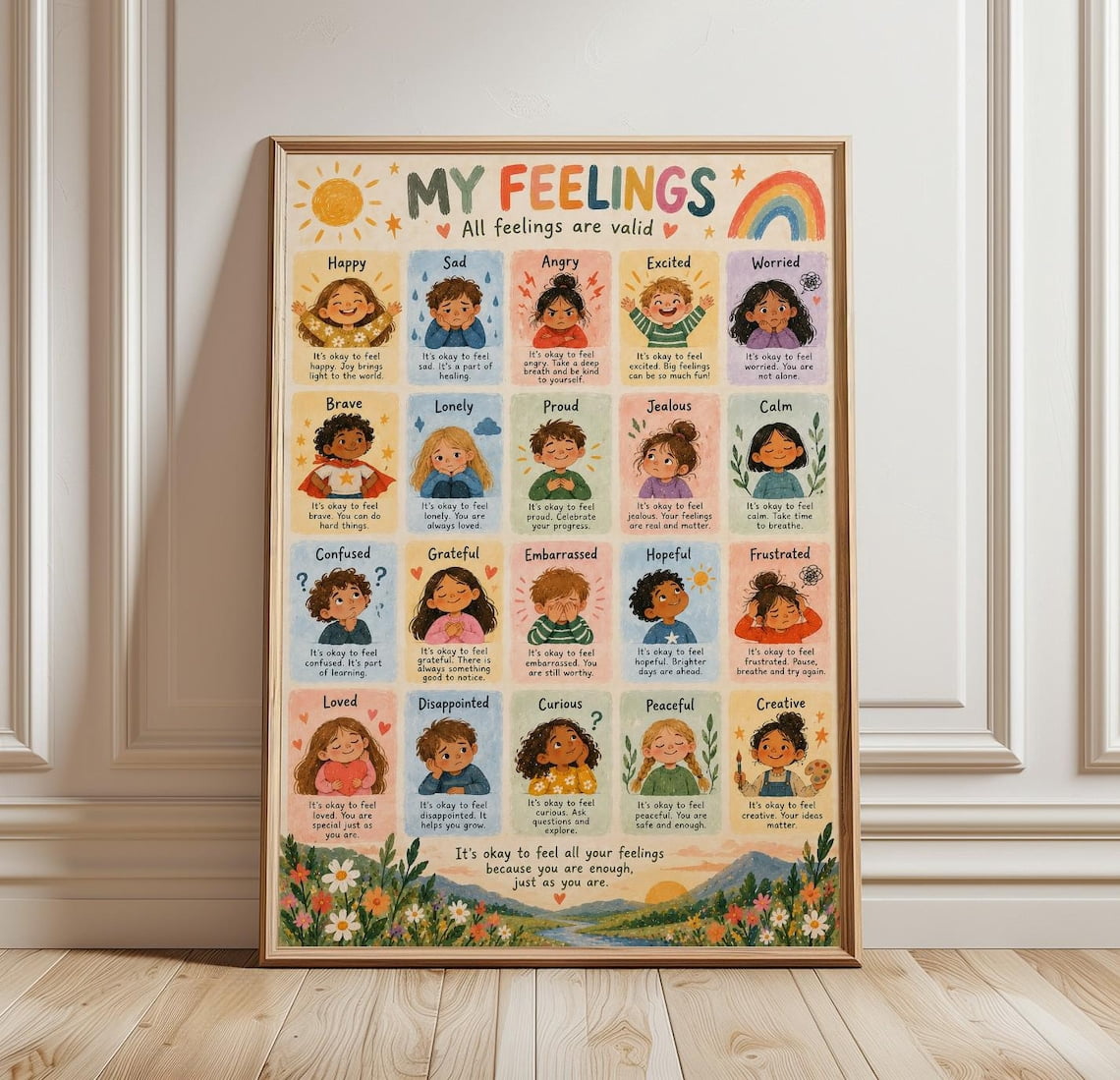
A feelings chart is a visual tool that lists various emotions alongside corresponding images or icons. The primary purpose of this chart is to assist children in recognizing and naming their feelings. It’s especially useful in classroom settings where teachers can encourage students to express their emotions during discussions or one-on-one interactions.
Typically, these charts display a range of emotions, from happiness and excitement to sadness and frustration. By having a Feelings Chart For Classroom Printable on hand, children can point to or select emotions that resonate with them, making it easier for educators and parents to understand their emotional states.
Benefits of Using a Feelings Chart
Using a feelings chart can have numerous benefits for both children and adults. Here are some key advantages:
- Enhanced Emotional Awareness: Children learn to recognize their feelings and those of others, which can lead to improved empathy.
- Better Communication Skills: The chart serves as a conversation starter, helping children articulate what they feel rather than acting out.
- Conflict Resolution: By expressing emotions, children can better navigate disagreements and conflicts with peers.
- Support for Mental Health: Regularly using a feelings chart can help identify patterns in emotions, allowing for early intervention if a child struggles with anxiety or depression.
How to Use the Feelings Chart in the Classroom
Integrating a Feelings Chart For Classroom Printable into daily routines can be straightforward and effective. Here’s a step-by-step guide on how to implement it:
- Introduce the Chart: Start by explaining the purpose of the feelings chart to your students. Show them the different emotions listed and discuss what each one means. Use examples to make it relatable.
- Daily Check-Ins: Incorporate a daily emotional check-in where students can choose an emotion from the chart to express how they are feeling that day. This could be done during morning meetings or circle time.
- Encourage Sharing: Create a safe space for students to share why they chose a particular emotion. This can lead to discussions about feelings and help them understand that it’s okay to express emotions.
- Use During Conflict Resolution: In instances of conflict, refer back to the feelings chart. Encourage children to identify their feelings and those of their classmates involved.
- Make It Interactive: Consider turning the chart into a more interactive activity. For example, students could create their own feelings charts with drawings or photos representing different emotions.
Where to Find Printable Feelings Charts
Finding a Feelings Chart For Classroom Printable is easier than you might think. There are many resources available online, often for free or at a low cost. Here are some places to look:
- Educational Websites: Many educational sites offer free printable resources for teachers and parents. Simply search for “feelings chart printable” to find options that suit your needs.
- Pinterest: This platform is a treasure trove of creative ideas. You can find various designs and templates for feelings charts that you can print.
- Teachers Pay Teachers: This marketplace allows educators to sell their created resources. You can find high-quality feelings charts designed by experienced teachers, often with additional educational tools included.
- Specialized Blogs: Many parenting and educational blogs provide free downloadable charts as part of their content. A quick search will yield plenty of options.
Tips for Printing and Displaying Your Feelings Chart
Once you’ve found the perfect Feelings Chart For Classroom Printable, you’ll want to ensure it’s printed and displayed effectively. Here are some tips to help you get started:
- Choose the Right Paper: For durability, consider printing the chart on cardstock instead of regular printer paper. This will help it withstand frequent handling by little hands.
- Laminate for Longevity: If you plan to use the chart regularly, lamination is a great option. This makes the chart more durable and allows for easy cleaning if markers or stickers are used.
- Display It Prominently: Hang the feelings chart at eye level in the classroom. This ensures that children can easily access it during check-ins or discussions.
- Use Velcro or Magnets: If you want to make the chart interactive, consider using Velcro or magnets so children can move pieces around to indicate their feelings.
Integrating Feelings Charts With Other Resources
Feelings charts can be a powerful tool on their own, but they can also be integrated with other resources for a more comprehensive approach to emotional learning. Here are some ideas:
- Journals: Encourage students to keep an emotion journal where they can write about their feelings and experiences. This can complement the feelings chart by providing a space for deeper reflection.
- Books: Incorporate children’s literature that addresses emotions. Reading stories about different feelings can help spark discussions and allow students to relate to characters.
- Art Activities: Use art as a way for children to express their emotions. After a discussion about feelings, have students draw or color what they feel, using the chart as a guide.
Tracking Progress With Feelings Charts
Using a feelings chart consistently can help track emotional progress over time. Here’s how you can monitor changes and adapt your approach:
- Create a Monthly Review: At the end of each month, review how often students selected different emotions. This can provide insight into their emotional well-being and allow you to adjust activities accordingly.
- Identify Patterns: Look for patterns in your students’ emotional expressions. If several students frequently select “sad” or “frustrated,” it may be worth exploring underlying causes or implementing supportive activities.
- Celebrate Improvements: Recognize and celebrate when students express a wider range of emotions or show improvement in their emotional literacy. This reinforces positive behavior and encourages continued use of the chart.
By using a Feelings Chart For Classroom Printable, you’re not only helping children express themselves but also equipping them with skills that will benefit them throughout their lives. This resource can play a crucial role in fostering emotional intelligence in young learners, and the earlier they start, the better equipped they’ll be to navigate their feelings and relationships.