Ham radio enthusiasts know the importance of keeping track of frequencies. A Printable Ham Radio Frequency Chart is an essential tool for anyone diving into the world of amateur radio. This chart provides a handy reference for operating on various bands and ensures that you’re always tuned into the right frequency for effective communication. In this article, we’ll guide you on how to download, print, and utilize this chart effectively, making your ham radio experience smoother and more enjoyable.
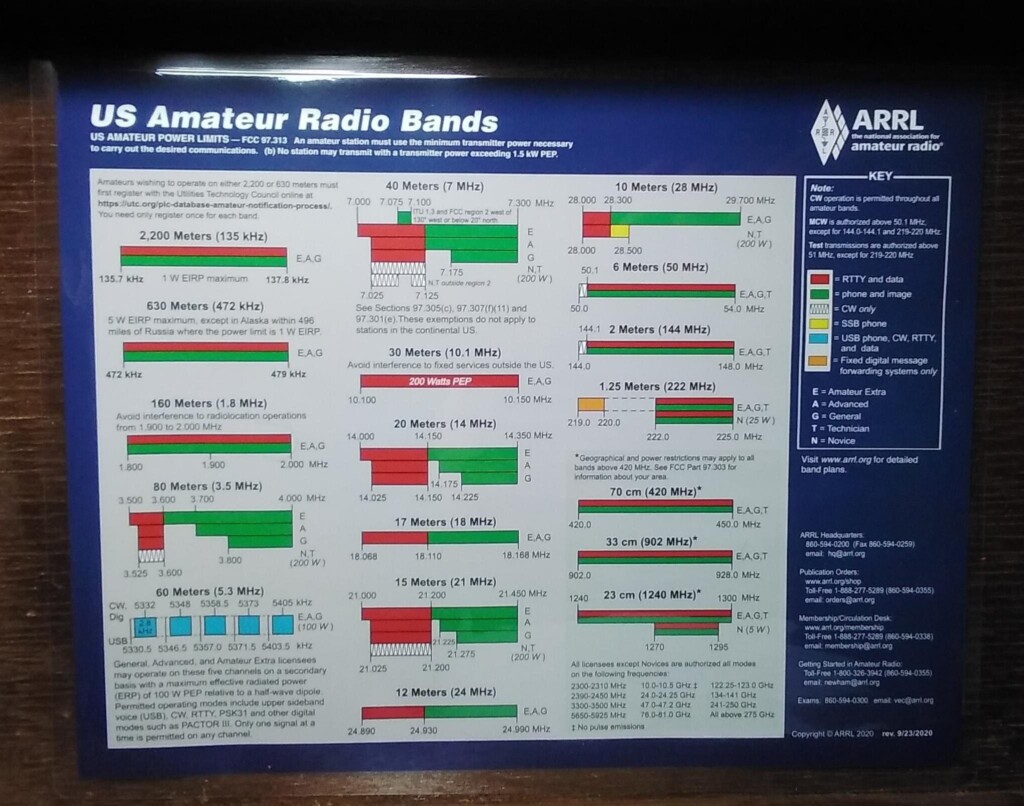
Understanding the Printable Ham Radio Frequency Chart
A Printable Ham Radio Frequency Chart typically organizes frequency ranges by band, listing the specific frequencies designated for various communication purposes. These charts may include:
- HF Bands (High Frequency)
- VHF Bands (Very High Frequency)
- UHF Bands (Ultra High Frequency)
Each band serves a different purpose and has distinct characteristics. For example, HF bands are great for long-distance communication, while VHF and UHF are more suited for local communications. Understanding this layout helps you quickly identify which frequency to use based on your communication needs.
How to Download Your Frequency Chart
Finding and downloading your Printable Ham Radio Frequency Chart is straightforward. Here’s a step-by-step guide:
- Search for the Chart: Use a search engine and enter “Printable Ham Radio Frequency Chart.” Look for reputable sites offering downloadable resources.
- Select Your Format: Most charts are available in PDF format, which is ideal for printing. PDFs ensure that the layout remains intact regardless of the device you’re using.
- Download the Chart: Click the download link. Ensure your browser settings allow for downloads. Save it to a location on your computer where you can easily find it later.
- Check for Updates: Frequencies can change, so it’s wise to check back periodically for updated versions of the chart to ensure you have the most accurate information.
Printing the Frequency Chart
Once you’ve downloaded your Printable Ham Radio Frequency Chart, it’s time to print it. Follow these steps for the best results:
- Open the PDF: Locate the downloaded file and open it using a PDF reader like Adobe Acrobat Reader.
- Select Print Settings:
- Paper Size: Most charts are designed for standard sizes like Letter (8.5” x 11”) or A4. Check the chart’s specifications to choose the right size.
- Orientation: Depending on the chart layout, select either portrait or landscape mode. Landscape often works better for wider charts.
- Quality: Choose a high-quality print setting for clarity, especially if you plan to refer to it frequently.
- Print a Test Page: If you’re using a new printer or settings, consider printing a test page first to ensure everything looks right.
- Use Cardstock: If you want the chart to last longer, print it on cardstock. This thicker paper is more durable and can withstand being handled frequently.
Organizing Your Frequency Chart for Easy Use
Now that your Printable Ham Radio Frequency Chart is printed, it’s time to organize it for easy access during your radio operations. Here are a few tips:
- Laminating: For durability, consider laminating the chart. This will protect it from spills and wear and tear, making it easy to wipe clean if needed.
- Create a Reference Binder: If you have multiple charts or resources, consider compiling them in a binder. Use dividers to separate different bands or purposes for quicker reference.
- Mark Important Frequencies: Use a highlighter to mark frequencies you frequently use or find particularly useful. This can save you time when you need to find them quickly.
- Keep It Accessible: Place your chart in a location near your radio setup. Whether you have a dedicated ham radio station or just use it occasionally, having the chart handy will make your operations smoother.
Using the Frequency Chart During Operations
When you’re ready to use your Printable Ham Radio Frequency Chart during your ham radio operations, keep these pointers in mind:
- Know Your Equipment: Familiarize yourself with your radio equipment and how to switch between frequencies. Understanding your radio’s features is crucial for effective communication.
- Practice Calling Techniques: Use your chart to practice calling techniques. Knowing the right frequency helps you reach the right audience, If you are participating in a net or reaching out for a conversation.
- Log Your Contacts: As you use your chart, maintain a log of your contacts. Note the frequency used, the time, and any important details from your conversation. This will help you track which frequencies work best for you.
- Stay Updated on Regulations: Ensure you’re aware of any regulations regarding frequency usage. This is especially important if you’re operating in different regions or countries.
- Engage with the Community: Use your chart to connect with other ham radio operators. Join local clubs or online forums to exchange tips and best practices regarding frequency usage.
Additional Resources for Ham Radio Operators
While the Printable Ham Radio Frequency Chart is essential, consider exploring other resources that can enhance your ham radio experience:
- Operating Manuals: Keep your radio’s operating manual handy for quick reference on features and settings.
- Online Forums: Websites like QRZ.com and Reddit’s r/amateurradio are great places to connect with fellow enthusiasts and learn from their experiences.
- Ham Radio Courses: Consider enrolling in local or online courses to deepen your understanding of ham radio operations and regulations.
By integrating these resources with your Printable Ham Radio Frequency Chart, you’ll be well on your way to becoming a proficient ham radio operator.
When you have your frequency chart ready, remember that the most useful detail might just be the specific frequency allocations for emergency communications. Keeping this information at your fingertips can be crucial in times of need.