The Free Printable Math Symbols Chart is an invaluable resource for parents and educators looking to enhance their children’s understanding of mathematical concepts. This chart offers a clear and organized layout that makes it easy for kids to reference important math symbols, ensuring they grasp the fundamentals needed for success in their studies.
Understanding the Layout of the Math Symbols Chart
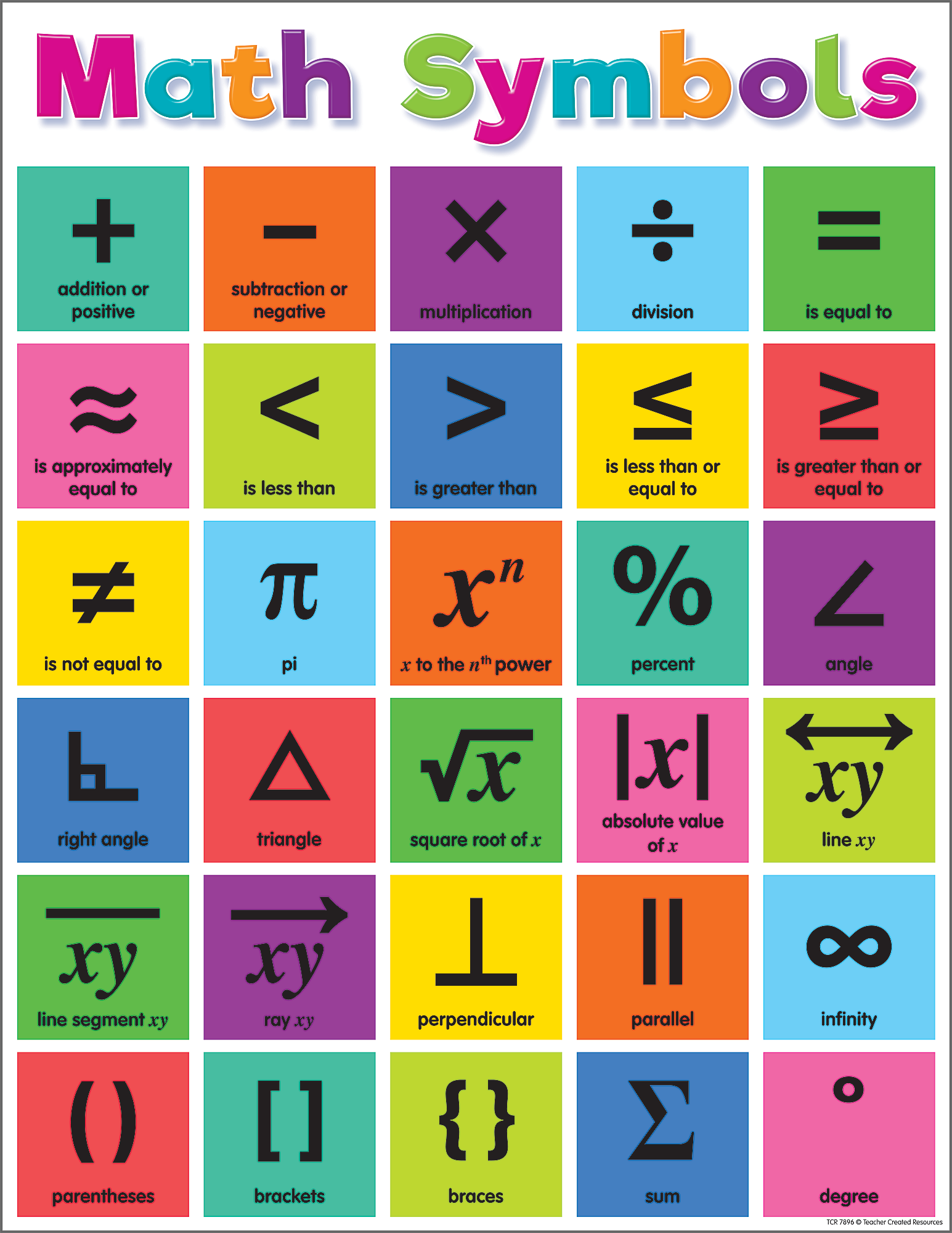
The Math Symbols Chart typically features a clean design, often laid out in a grid format. This design choice helps categorize different types of math symbols, such as operations, comparisons, and geometry. For instance, you might see sections for addition, subtraction, multiplication, and division symbols all grouped together, which aids in quick reference.
Each symbol is usually presented alongside its name and a brief description of its use. This is particularly helpful for younger children or those just starting to learn math, as it reinforces their understanding through visual cues. When filling it out or simply using it, children can quickly look up a symbol they’re unsure about, making learning more interactive and less intimidating.
Key Symbols Included in the Chart
A well-structured Free Printable Math Symbols Chart will include essential symbols that students encounter across different grade levels. Here are some common categories you can expect to see:
- Arithmetic Symbols:
- Plus (+)
- Minus (−)
- Multiply (×)
- Divide (÷)
- Comparison Symbols:
- Greater than (>)
- Less than (<)
- Equal to (=)
- Not equal to (≠)
- Geometry Symbols:
- Triangle (Δ)
- Square (□)
- Circle (○)
These symbols form the foundation of mathematical operations and are crucial for students, especially in elementary and middle school. Having them easily accessible in a printable format means that your child can reference them whenever needed, whether they’re doing homework or studying for a test.
How to Use the Math Symbols Chart Effectively
To make the most of the Free Printable Math Symbols Chart, consider the following tips for practical use:
- Display the Chart in a Visible Location: Hang the chart in your child’s study area or on the refrigerator. This constant visibility encourages your child to reference it regularly, reinforcing their learning.
- Incorporate It into Homework Sessions: During math homework, encourage your child to consult the chart whenever they encounter a symbol they do not understand. This promotes independence in learning.
- Engage in Interactive Learning: Use the chart as a starting point for discussions about math. You can ask your child to explain what each symbol means or create practice problems that require using different symbols. This not only reinforces their understanding but also builds confidence.
- Personalize the Chart: If your child is particularly engaged, consider having them color-code the symbols or add examples next to each one. This can make the chart more visually appealing and tailored to their learning style.
Availability and Download Instructions
The Free Printable Math Symbols Chart is typically available in PDF format, allowing for easy downloading and printing. When you find a reputable site offering this resource, make sure to check that the PDF is formatted correctly for printing to avoid any layout issues.
Suggested Print Settings
- Paper Size: Standard letter size (8.5” x 11”) is ideal for most home printers.
- Orientation: Landscape orientation often works better for charts as it provides more horizontal space for symbols.
- Quality Settings: Opt for a higher quality print setting to ensure that the symbols are clear and easy to read.
If you plan to use the chart frequently, consider printing it on cardstock for durability, especially if your child likes to reference it often or if it will be handled by multiple kids.
Common Mistakes to Avoid When Using the Chart
When using the Free Printable Math Symbols Chart, there are a few common pitfalls to watch out for:
- Assuming Understanding: Just providing the chart isn’t enough. Engage with your child to ensure they understand each symbol’s function and context.
- Neglecting Updates: As students advance in their math education, they may encounter new symbols. Regularly review and update the chart to include any advanced symbols they may learn in higher grades.
- Overloading with Information: While it’s tempting to add too many symbols, a cluttered chart can be overwhelming. Stick to the essentials for each grade level and consider having separate charts for different math topics as they progress.
By following these guidelines, you’ll help your child not only reference the symbols effectively but also build a strong mathematical foundation for their future studies.