Using a 100’s Chart Printable Free can be a useful option for anyone involved in teaching or learning basic math skills. This simple yet powerful tool helps organize numbers and visualize counting, making it invaluable for both parents and educators. If you are working with young children just starting to grasp the concept of numbers or helping older students with more complex math problems, a printable hundreds chart can enhance understanding and retention.
What is a 100’s Chart?
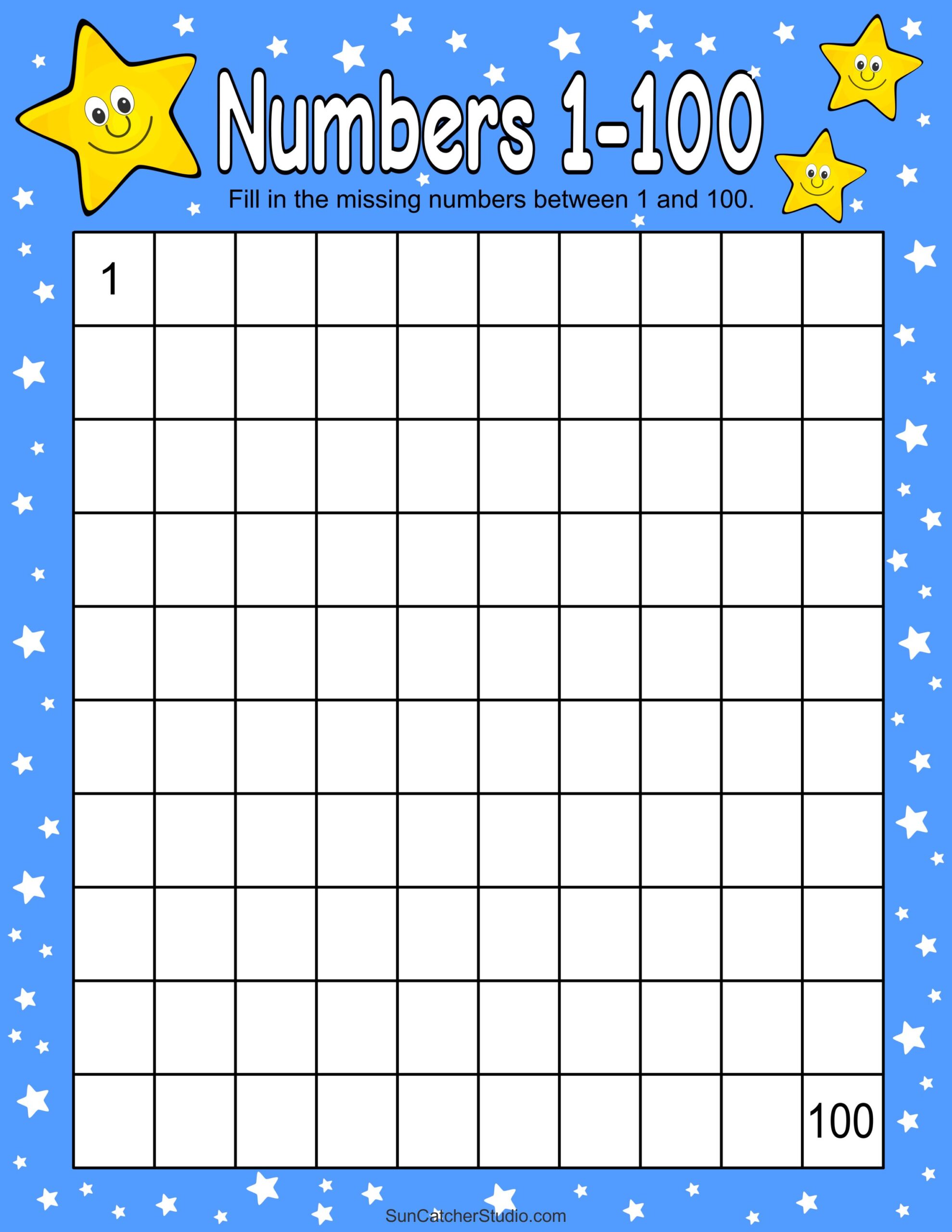
A 100’s chart is a grid that displays the numbers from 1 to 100 arranged in a 10×10 format. Each box represents a number, making it easy to see patterns, sequences, and relationships between numbers. This chart is especially useful for early learners to practice counting, addition, and subtraction. It can also aid in recognizing number patterns, such as odd and even numbers or multiples.
Who Can Benefit From a 100’s Chart?
The audience for a 100’s Chart Printable Free is broad. Here are a few groups that can particularly benefit from using this resource:
- Parents: Help your children grasp basic math concepts at home. A printable chart can be a handy reference during homework or playtime.
- Teachers: Integrate the chart into lesson plans for math classes, making learning interactive and visual.
- Tutors: Use the chart as a teaching aid to support students struggling with number concepts.
- Homeschoolers: A 100’s chart can be a core component of your math curriculum, offering a visual tool for lessons.
How to Use a 100’s Chart Effectively
Using a 100’s chart is straightforward, but there are some tips and techniques that can maximize its effectiveness:
- Counting Practice: Start with simple counting exercises. Have the child count aloud while pointing to each number on the chart. This reinforces number recognition and helps with one-to-one correspondence.
- Skip Counting: Use the chart to practice skip counting by 2s, 5s, or 10s. Highlight or color these numbers to visualize the patterns involved.
- Addition and Subtraction: For addition, use the chart to find sums by counting forward. For subtraction, count backward. This visual aid can clarify how numbers interact with one another.
- Coloring Activities: Turn learning into a fun activity by coloring in certain numbers based on specific criteria (like all even numbers or all multiples of 5). This can help solidify concepts in a memorable way.
- Games and Challenges: Create games around the chart. For instance, ask questions like, “What number is 10 more than 23?” or “Find the number that comes before 45.” Using the chart in a game format can make learning more engaging.
Downloading Your 100’s Chart Printable Free
You can easily find a range of 100’s Chart Printable Free options online. Most of these resources are available in PDF format, making them easy to print at home. Here are some tips for downloading and printing:
- Select the Right Size: Depending on your needs, you may want a full-page version or a smaller size. Most printables come in standard letter size (8.5″ x 11″) but check for options that fit your preference.
- Choose Quality Paper: For durability, consider printing on cardstock instead of standard printer paper. This will hold up better, especially if kids are using it frequently.
- Color vs. Black and White: While a colorful chart can be more engaging, a black-and-white version may be easier to print at home. If you opt for color, ensure your printer is capable of producing high-quality images.
- Check Print Settings: Make sure your printer settings are adjusted to fit the page correctly. Sometimes charts can be scaled incorrectly, leading to a distorted image.
Incorporating the 100’s Chart Into Daily Activities
Integrating the 100’s chart into daily routines can reinforce learning in a natural way. Here are some ideas to get you started:
- Daily Math Review: Use the chart for a quick math review session each day. Spend just 5-10 minutes to reinforce skills.
- Incorporate into Chores: Turn everyday tasks into learning opportunities. For example, if your child has to put away 10 toys, ask them to find the number 10 on the chart.
- Use in Meal Planning: If you’re teaching older children about fractions or portions, the chart can help visualize quantities when cooking or baking.
Visualizing Progress With a 100’s Chart
Tracking progress is essential for motivation in learning. A 100’s chart can also serve as a tool for this purpose:
- Mark Achievements: Use stickers to mark numbers as your child completes tasks or reaches milestones. This visual representation can boost confidence and encourage further learning.
- Create Challenges: Set challenges to fill in certain numbers or patterns over a week. This can foster a sense of accomplishment.
- Reflect on Learning: At the end of a week or month, review the chart together. Discuss what was learned, which areas were easy or challenging, and set goals for future learning.