As parents, we all want to ensure our children’s health, and that includes their eyesight. Many kids may not even realize they have vision issues, which is why regular eye checks are so important. One effective way to monitor your child’s vision at home is by using a Free Printable Kindergarten Eye Chart. This resource can help you spot any potential problems early, making it a practical tool for any parent or teacher.
Understanding the Importance of Eye Charts
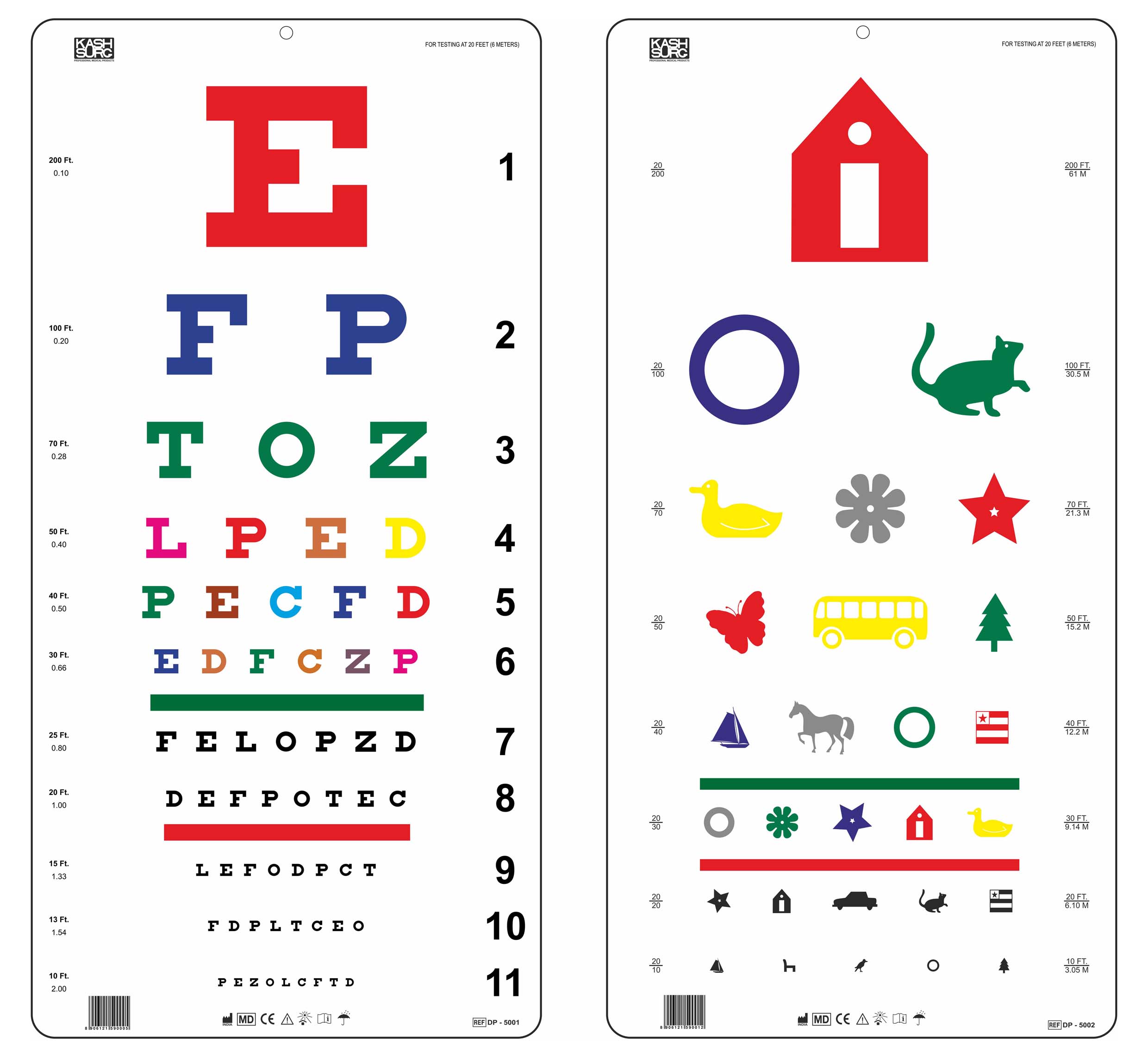
Eye charts are commonly used by optometrists to measure visual acuity. They help in determining how well a person can see at various distances. For young children, especially those in kindergarten, early detection of vision problems is crucial. Kids might not complain about blurry vision or difficulty seeing distant objects, so using an eye chart at home can be an excellent proactive step.
The Free Printable Kindergarten Eye Chart is designed specifically for young learners. It typically features large letters or symbols that are easy for children to recognize. By using this chart regularly, you can help ensure your child’s vision is developing properly.
How to Download Your Eye Chart
Getting your hands on a Free Printable Kindergarten Eye Chart is straightforward. Here’s how you can do it:
- Choose a Reliable Resource: Look for a trusted website that offers free printables. Many educational sites provide free downloadable resources tailored for parents and teachers.
- Locate the Eye Chart: Use the website’s search feature or navigate to the section dedicated to vision resources. You’ll find multiple options for eye charts designed for kindergartners.
- Download the File: Once you find the eye chart you like, click the download button. It’s often available in PDF format, which is ideal for printing.
- Save the File: Store the file on your computer or device for easy access. This way, you can print it whenever you need a new copy.
Printing Your Eye Chart
Now that you have the eye chart downloaded, it’s time to print it. Here are some tips to ensure the best results:
- Paper Size: Most eye charts are designed for standard letter-sized paper (8.5 x 11 inches). Ensure your printer settings are set to this size before printing.
- Orientation: Many charts are designed to be printed in portrait orientation. Make sure your printer settings reflect this to avoid any cropping.
- Quality Settings: For clarity, select a high-quality print setting on your printer. This will ensure that the letters or symbols are crisp and easy for your child to read.
- Laminating: If you plan to use the chart frequently, consider laminating it. This protects the chart from wear and tear and allows for easy cleaning.
Setting Up for the Eye Test
Once your eye chart is printed and ready, it’s time to set up for the vision test. Here’s how to create an effective testing environment:
- Choose a Location: Find a well-lit area with minimal distractions. This could be a quiet room or a play area where your child feels comfortable.
- Distance Matters: Place the eye chart at the correct distance. Typically, for kindergarten eye charts, the chart should be positioned about 10 to 20 feet away from where your child will stand or sit.
- Positioning Your Child: Have your child stand or sit at the designated distance. Make sure they are centered in front of the chart for the most accurate reading.
- Cover One Eye: Use an eye patch or simply have your child cover one eye. This is crucial for testing each eye individually.
- Reading the Chart: Ask your child to read the letters or symbols from the top to the bottom of the chart. Make sure they are not peeking with the covered eye!
What to Look For
As your child reads the eye chart, pay close attention to how well they can see the letters or symbols. Here are some signs to note:
- Difficulty Recognizing Letters: If your child struggles to read even the larger letters at the top, it may indicate a vision issue.
- Squinting or Leaning Forward: These behaviors can signal that your child is having trouble seeing clearly.
- Frustration or Discomfort: If your child seems frustrated or uncomfortable while reading the chart, this might also be a sign of vision problems.
When to Seek Professional Help
After completing the eye test with the Free Printable Kindergarten Eye Chart, you may feel confident about your child’s vision. However, if you notice any concerning signs, it’s essential to schedule an appointment with an eye care professional. Here are some situations where you should seek help:
- If your child consistently struggles to read the chart.
- If they exhibit signs of squinting or frequent headaches.
- If they have difficulty focusing on objects, whether near or far.
Early intervention can make a significant difference in your child’s visual development and overall learning.
Incorporating Vision Checks Into Your Routine
To maintain good vision health, consider incorporating regular vision checks into your routine. Here are some tips on how to do this:
- Monthly Checks: Set a specific day each month to conduct the eye test. This creates a routine that helps you monitor any changes.
- Make it Fun: Turn the eye test into a game. Encourage your child by rewarding them for their efforts, whether it’s with stickers or a fun activity afterward.
- Discuss Vision Health: Talk to your child about the importance of good vision. Explain how it helps them see the world clearly and learn better.
- Combine with Other Health Checks: If your child undergoes regular health check-ups, incorporate the eye test to keep all aspects of their health in check.
Additional Resources for Vision Health
In addition to the Free Printable Kindergarten Eye Chart, many other resources can support your child’s vision health:
- Vision Games: Look for online games or apps designed to strengthen visual skills. These can be a fun supplement to your eye checks.
- Books About Vision: Read age-appropriate books that discuss eyesight and the importance of taking care of our eyes. This can help your child understand their vision better.
- Consultation with Educators: If your child is in kindergarten, consult with their teacher about any observed vision issues during class activities.
- Eye Health Websites: Visit reputable websites for parents that focus on children’s eye health. These sites often provide additional tips and insights.
Remember, being proactive about your child’s vision can lead to a lifetime of healthy eyesight. By using the Free Printable Kindergarten Eye Chart regularly, you’ll be taking a significant step toward ensuring your child’s visual health.
As a final tip, keep a copy of the eye chart handy in your child’s play area or study space. This way, it’s easy to grab whenever you want to conduct a quick vision check.