When it comes to ensuring food safety, understanding proper cooking temperatures is essential. A Food Safety Printable Food Temperature Chart is an invaluable tool for anyone who enjoys cooking at home. This chart provides a quick reference to the safe internal temperatures for various types of food, helping you avoid foodborne illnesses and ensuring that your meals are safe and delicious. Using this resource can make meal preparation easier and more efficient, especially when you’re juggling multiple dishes.
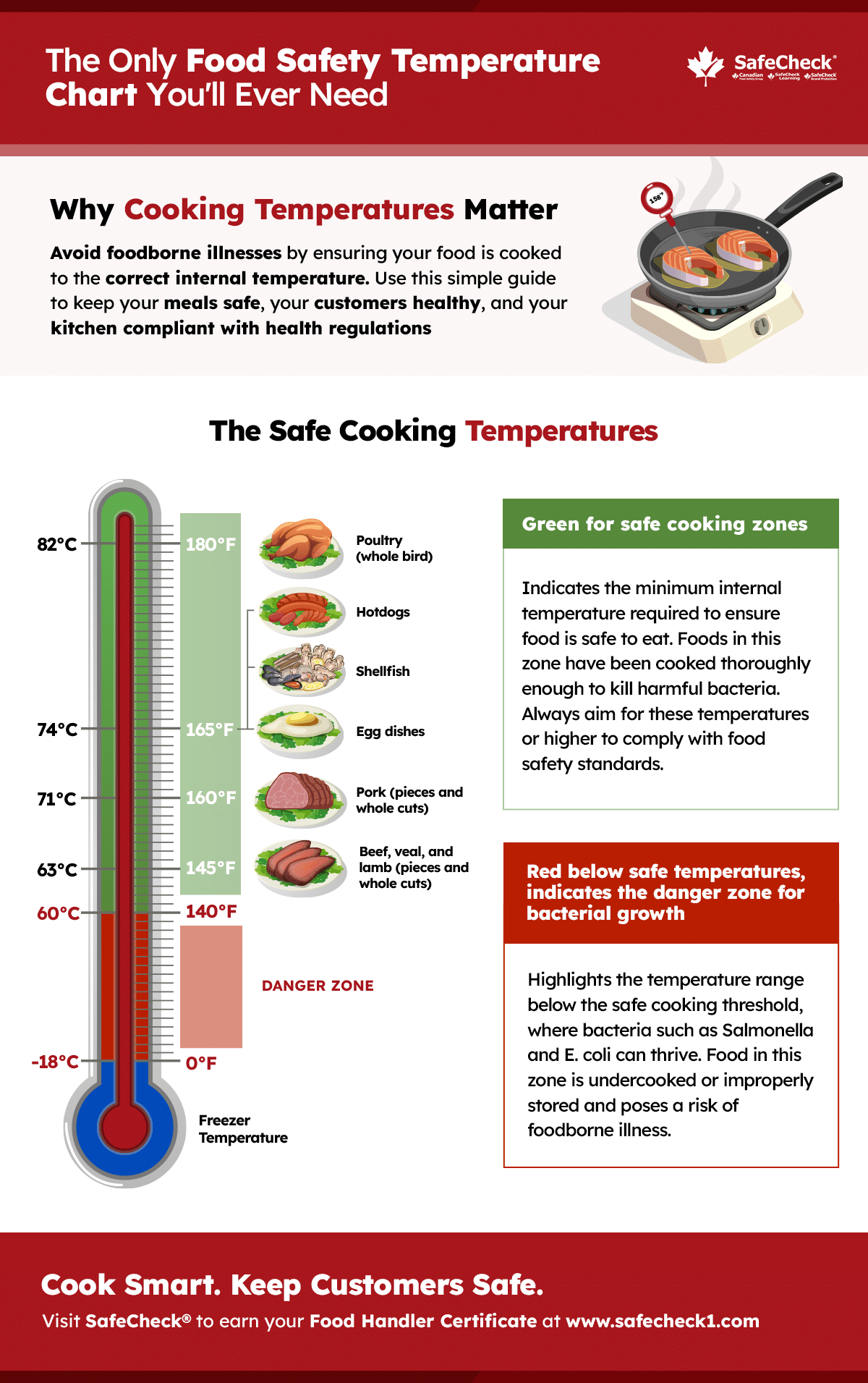
Understanding the Layout of the Food Temperature Chart
The Food Safety Printable Food Temperature Chart is typically laid out in a clear, easy-to-read format that includes several key sections. Most charts will categorize food into groups, such as poultry, beef, pork, seafood, and vegetables. Each group will have its corresponding safe cooking temperature listed, often in both Fahrenheit and Celsius for flexibility.
The layout usually includes:
- Food Type: This column lists the different categories of food.
- Safe Minimum Internal Temperature: This critical column provides the temperature that must be reached to ensure safety.
- Rest Time: Some charts will also include a recommended rest time for certain foods, which is the time you should let the food sit after cooking to allow for temperature redistribution.
By organizing the information in this manner, you can quickly find the relevant details while cooking, ensuring that your food reaches the appropriate temperature without having to search for this information online or in a cookbook.
How to Use the Chart Effectively
Using the Food Safety Printable Food Temperature Chart is straightforward. Here’s how you can make the most of it:
- Print and Hang: After downloading your chart, print it out and hang it in your kitchen, preferably near your cooking area. This makes it easily accessible while you cook.
- Familiarize Yourself: Take some time to familiarize yourself with the temperatures listed for each food type. Knowing these temperatures by heart can help you cook more confidently.
- Use a Food Thermometer: Always have a reliable food thermometer on hand. Insert it into the thickest part of the food, avoiding bone, to get an accurate reading.
- Check Multiple Items: If you are cooking multiple items at once, check the temperature of each item before serving. Remember, even if one dish is done, others may need more time.
- Adjust Cooking Methods: If you find that certain foods aren’t reaching the necessary temperatures, you may need to adjust your cooking methods or equipment. For example, if you’re using a slow cooker, ensure you’re allowing enough time for proper cooking.
Importance of Food Temperature Safety
Understanding and adhering to safe cooking temperatures is crucial for several reasons:
- Prevent Foodborne Illness: Cooking food to the correct temperature kills harmful bacteria that can cause food poisoning. Common culprits include Salmonella in poultry and E. coli in ground beef.
- Quality of Food: Proper cooking not only ensures safety but also enhances the flavor and texture of your food. Undercooked meats can be tough and unappetizing.
- Peace of Mind: Knowing that you have cooked your food to the recommended temperatures allows you to serve meals confidently, knowing they are safe for your family and guests.
Common Mistakes to Avoid
When using the Food Safety Printable Food Temperature Chart, be mindful of these common mistakes:
- Not Using a Thermometer: Relying solely on cooking times can be misleading. Always use a food thermometer to verify that the food has reached the correct internal temperature.
- Ignoring Rest Times: Some meats need to rest after cooking to allow the juices to redistribute. Skipping this step can lead to dry or tough meat.
- Overcrowding the Cooking Surface: Whether you’re grilling or roasting, overcrowding can cause uneven cooking. Make sure there’s enough space for air to circulate around your food.
- Assuming All Appliances Cook Equally: Different ovens, stovetops, and cooking methods can vary significantly in how they cook food. Always check your food’s temperature rather than relying on cooking times alone.
Where to Find and Download the Chart
You can easily find a Food Safety Printable Food Temperature Chart online. Many websites offer free downloads in various formats, such as PDFs or images. Here are some tips for finding a quality chart:
- Look for Reliable Sources: Choose charts from reputable health organizations or culinary websites. They are more likely to provide accurate and up-to-date information.
- Check for Clarity: Ensure the chart is well-organized and easy to read. You want to be able to glance at it quickly while cooking.
- Consider Size: Depending on your kitchen space, you might want a larger chart that’s easy to read from a distance, or a smaller one that can fit into your recipe binder.
- Customization Options: Some resources allow you to customize the chart, adding your notes or favorite recipes that correspond with safe cooking temperatures.
Using the Chart in Meal Planning
Incorporating the Food Safety Printable Food Temperature Chart into your meal planning can enhance your cooking efficiency. Here’s how:
- Plan Your Proteins: When deciding what to cook, start by selecting your proteins. Refer to the chart to determine how long each will take to cook based on the temperature you want to achieve.
- Pair Wisely: Use the chart to help pair side dishes that can cook alongside your main protein. For example, if you’re roasting chicken, you can also roast vegetables that require a similar cooking temperature.
- Batch Cooking: If you love meal prepping, refer to the chart when preparing multiple servings of protein. This ensures that you cook everything safely and efficiently.
- Cooking for Events: If you’re hosting a gathering, use the chart to plan your cooking times. This way, you can ensure that everything is ready to serve at the appropriate temperatures.
- Family Involvement: Teach your family members about food safety and cooking temperatures. Having everyone on the same page can make meal preparation a shared responsibility.
Incorporating a Food Safety Printable Food Temperature Chart into your cooking routine not only enhances your culinary skills but also keeps your meals safe and enjoyable. If you are a seasoned chef or a beginner in the kitchen, having this chart at your fingertips will boost your confidence when preparing food for yourself and your loved ones.