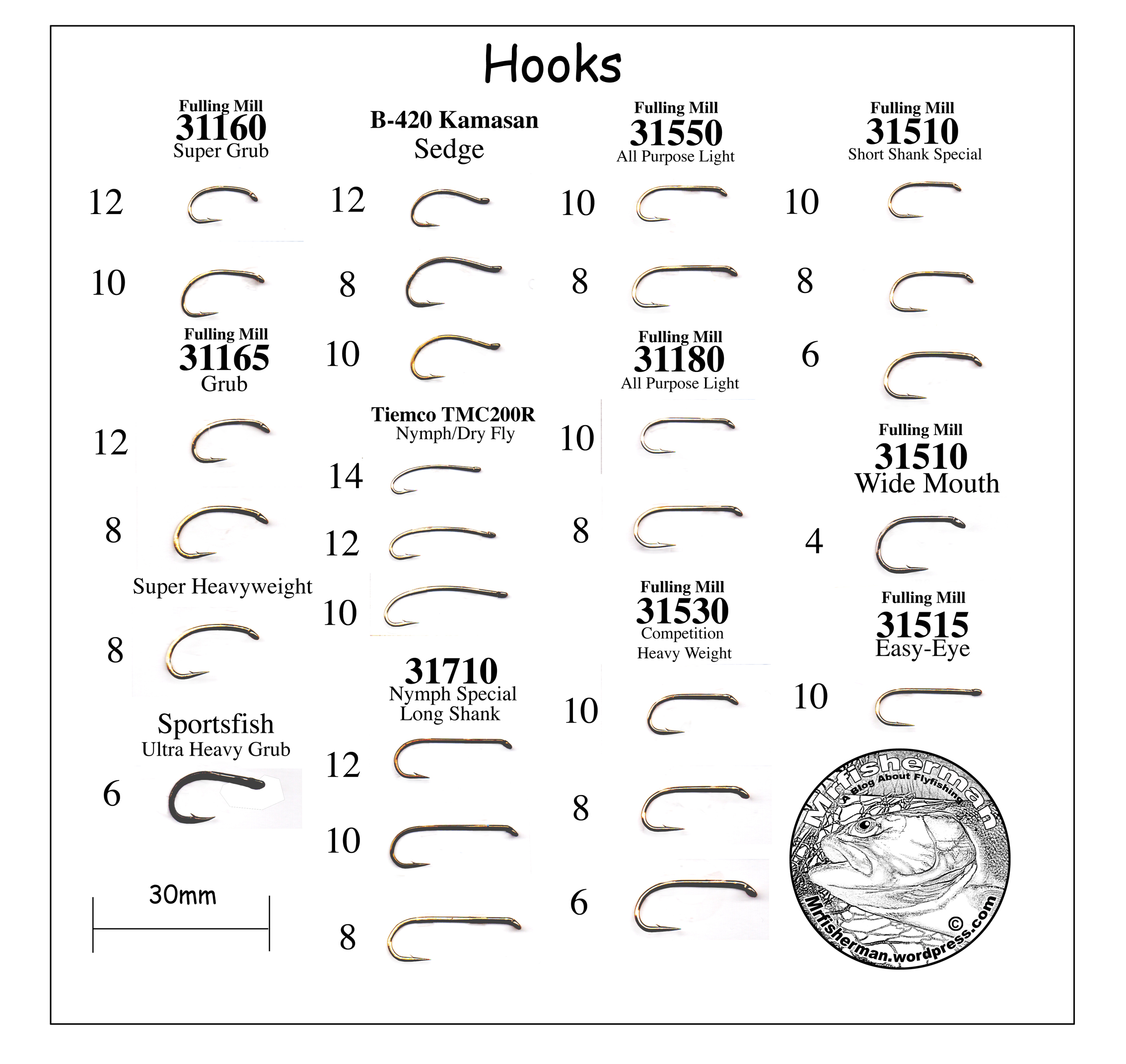
When it comes to fishing, choosing the right hook size can greatly influence your success on the water. A Fly Hook Size Chart Printable is a fantastic resource for ensuring you have the right sizes on hand. This guide will help you understand how to effectively utilize this printable chart, whether you’re a seasoned angler or just starting.
Understanding Hook Sizes and Their Importance
Hook sizes can be a bit confusing, especially for those new to fishing. They are measured in numbers, with smaller numbers indicating larger hooks. For instance, a size 6 hook is larger than a size 12 hook. This size variation is crucial for matching the hook to the bait and the fish species you’re targeting.
When using a Fly Hook Size Chart Printable, you’ll see a range of hook sizes along with corresponding details about their appropriate use. This is especially helpful for parents who are teaching their kids how to fish, as it provides a structured way to learn about the equipment.
Choosing the Right Printable Chart
Selecting the right Fly Hook Size Chart Printable involves a few considerations:
- Format: Look for a PDF format that can easily be printed or filled digitally. PDFs maintain their formatting better than images when printed.
- Content: Ensure the chart includes common sizes and a range of hook types, such as barbed, barbless, and specific styles like wet or dry fly hooks.
- Visuals: A chart with illustrations can be especially helpful, as it allows you to visually compare sizes.
Once you find a chart that suits your needs, download it and have it ready for your next fishing trip.
Printing Your Chart
When it comes to printing your Fly Hook Size Chart Printable, there are a few steps to ensure you get the best results:
- Paper Type: For durability, use cardstock instead of regular printer paper. This will hold up better in your tackle box or on outdoor trips.
- Size Adjustments: Most charts will be formatted for standard paper sizes (like 8.5″x11″). Make sure your printer settings are adjusted to avoid scaling issues, which can distort the size references.
- Orientation: Portrait layout is typically best for these charts, making it easier to read when you’re standing by the water.
You can also laminate your chart if you plan to use it frequently; this will protect it from water damage and wear.
Using the Chart Effectively
Once you have your Fly Hook Size Chart Printable in hand, it’s time to put it to use. Here’s how to effectively use it while fishing:
- Match the Hook to Bait: Different fish species prefer different types of bait. Refer to the chart to select a hook size that complements your chosen bait. For example, smaller bait usually requires smaller hooks.
- Consider the Fish Species: Use the chart in conjunction with information about the fish you’re targeting. Larger fish typically require larger hooks, while smaller species can be caught with smaller sizes.
- Group Size Reference: The chart will help you quickly reference hook sizes when you’re in a pinch. If you’re out fishing and need to change hooks, you can quickly consult the chart instead of guessing.
Digital Vs. Print Completion
With the digital age, many resources are available in both printable and fillable formats. Here’s how to decide which method works best for you:
- Digital Use: If you prefer to keep your chart on a mobile device, a fillable PDF can be a great option. You can access it easily on the go, and it often allows you to make notes directly on the chart.
- Printed Use: If you enjoy the tactile experience of having a physical chart, printing it out is the way to go. Printed charts can be highlighted or annotated, which can help reinforce learning, especially for kids.
Incorporating the Chart Into Family Fishing Trips
Bringing the Fly Hook Size Chart Printable into your family fishing trips can enhance the experience for everyone involved. Here’s how you can incorporate it:
- Teach Your Kids: Use the chart as a teaching tool. Explain the relationship between hook size, bait, and fish type. This can be a fun way to engage your children in the fishing process.
- Create a Checklist: Along with the chart, create a checklist of the hooks you need to bring based on your planned fishing trip. This ensures you’re prepared and can help kids learn responsibility.
- Discuss Experiences: After fishing trips, review the chart together. Discuss which hook sizes worked best and why, reinforcing the learning experience.
Storing Your Chart
After using your Fly Hook Size Chart Printable, it’s important to store it properly to ensure it remains in good condition for future use. Here are some effective storage tips:
- Tackle Box: Keep a copy in your tackle box. This way, it’s always accessible when you need it.
- Binder: Consider placing it in a binder with other fishing resources. This keeps it organized and protects it from damage.
- Digital Backup: If you’re using a digital version, ensure it’s backed up on a cloud service or your device for easy access anytime.