Keeping track of your baby’s feeding and diaper changes can feel overwhelming, especially for new parents. That’s where a Daily Printable Baby Feeding And Diaper Chart comes in handy. This chart provides a simple and organized way to monitor your baby’s daily habits, making it easier to share information with pediatricians and caregivers when necessary.
Understanding the Daily Printable Baby Feeding And Diaper Chart
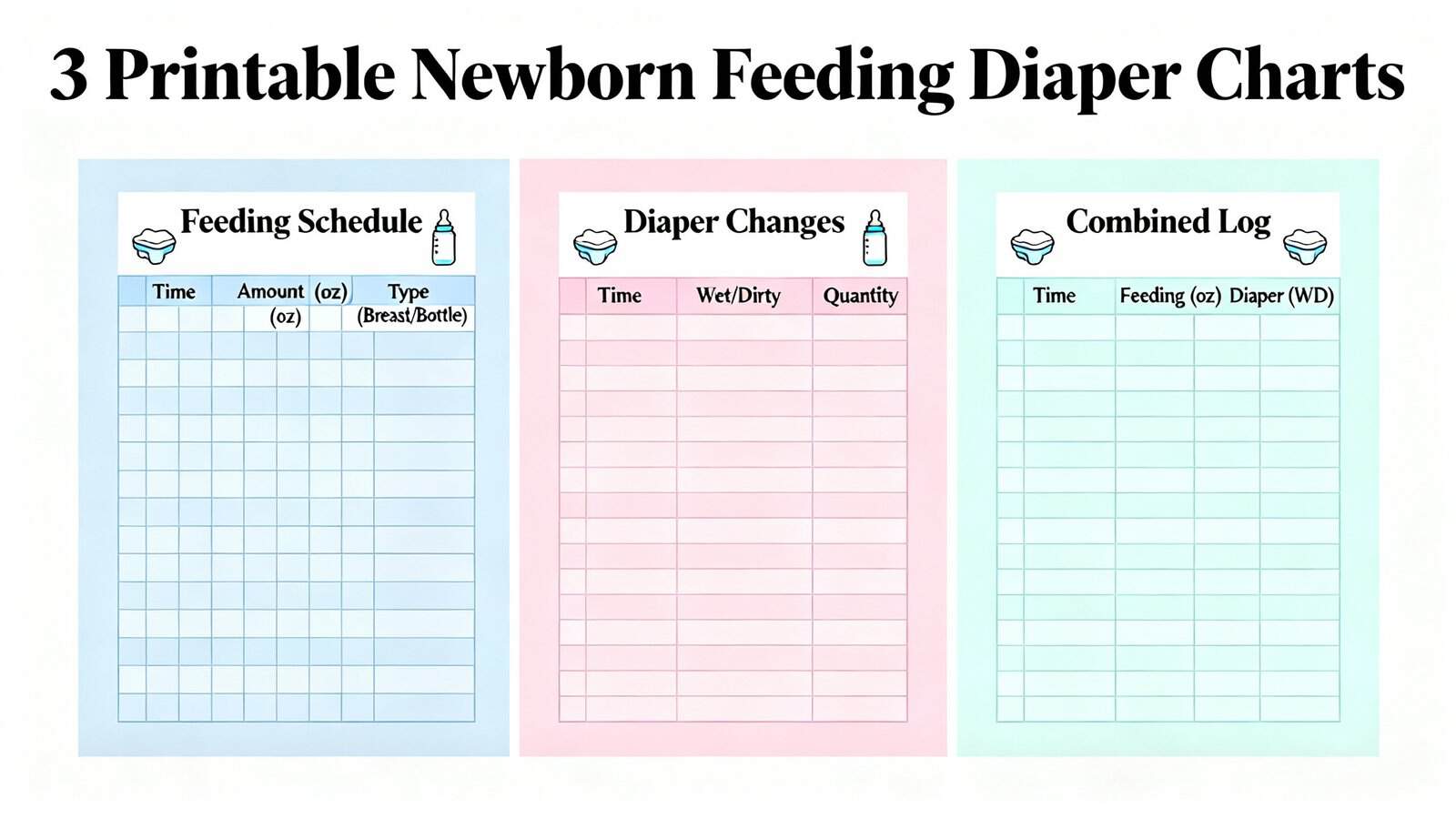
The Daily Printable Baby Feeding And Diaper Chart is designed to help you record essential information about your baby’s feeding schedules and diaper changes. It typically includes the following sections:
- Feeding Times: Document when your baby eats, whether it’s breast milk or formula.
- Diaper Changes: Track the timing and type of diaper changes (wet or soiled).
- Notes: A space for any additional observations, such as your baby’s mood or any changes in feeding patterns.
In essence, this chart helps you visualize your baby’s daily routine, making it easier to identify patterns or changes over time. Plus, it can be a lifesaver during pediatric visits when you need to provide details about your baby’s habits.
How to Use the Chart Effectively
Using the Daily Printable Baby Feeding And Diaper Chart is straightforward. Here’s a step-by-step guide to help you get started:
- Download the Chart: Find a reliable website offering the Daily Printable Baby Feeding And Diaper Chart. Make sure the chart is in a printable format, like PDF, for easy access.
- Print the Chart: Use a standard letter-sized paper (8.5 x 11 inches) for printing. If you have a color printer, consider printing in color to make it visually appealing and easier to read.
- Fill It Out: As you go through your day, jot down the feeding times and the type of diaper changes. You might want to create a routine for filling it out, such as doing it after each feeding or diaper change.
- Review Regularly: At the end of each day, take a moment to review the chart. Are there any patterns in feeding times? How often are diaper changes occurring? This information can be useful for monitoring your baby’s health and development.
Digital Vs. Print: What Works Best?
You might wonder whether to fill out the chart digitally or by hand. There are pros and cons to each method:
- Digital Filling: If you prefer a fillable PDF, you can complete the chart on your computer or tablet. This method allows for easy edits and is ideal for parents who are tech-savvy. However, it may not provide the tactile experience some parents prefer.
- Handwritten Filling: Writing on paper can feel more personal and may help you remember details better. Plus, you can easily hang the chart on your fridge or a wall for quick reference. Just be sure to use a good pen that won’t smudge.
Ultimately, choose the method that fits your lifestyle and makes tracking easier for you.
Where to Keep the Chart
Once you’ve printed out the Daily Printable Baby Feeding And Diaper Chart, it’s important to store it in a place that’s easily accessible. Here are a few suggestions:
- On the Fridge: A magnet can hold the chart on your fridge for quick access. This is convenient for jotting down notes at any time.
- In a Baby Journal: If you keep a baby journal, consider adding the chart as a page. This keeps everything organized in one place.
- Nursing Station: If you have a designated feeding area, keep the chart there. It’s a great way to remind you to track feeding times while you nurse or bottle-feed.
Benefits of Using a Feeding and Diaper Chart
There are numerous benefits to keeping track of your baby’s feeding and diaper changes. Some of the most notable include:
- Identifying Patterns: Monitoring your baby’s habits can help you understand their needs better, such as when they are most likely to be hungry or need a diaper change.
- Health Monitoring: Changes in feeding or diaper habits can signal potential health issues. Having a record makes it easier to spot these changes and discuss them with your pediatrician.
- Peace of Mind: Knowing that you have a reliable record can reduce stress, especially for new parents. It takes the guesswork out of understanding your baby’s needs.
Tips for Maintaining Your Chart
Keeping your Daily Printable Baby Feeding And Diaper Chart updated can be challenging, especially in those busy early days. Here are some tips to help you maintain it effectively:
- Set Reminders: Use your phone or a timer to remind you to fill out the chart after each feeding or diaper change.
- Involve Your Partner: If you have a partner, make it a team effort. This not only lightens the load but also allows both of you to stay informed about your baby’s habits.
- Be Consistent: Try to fill out the chart at the same time each day. Consistency will make it easier to track patterns over time.
- Use Symbols: If you’re short on time, develop a simple coding system (like checkmarks or dots) to quickly indicate feeding times or diaper changes. You can fill in details later.
Keeping a Daily Printable Baby Feeding And Diaper Chart not only helps you stay organized, but it also empowers you as a parent to better understand your baby’s needs. Whether you choose to go digital or stick with good old-fashioned pen and paper, this resource is a practical tool in those early, sleepless months.
If you’re wondering where to find a suitable chart to start tracking today, there are many printable resources available online. Simply search for “Daily Printable Baby Feeding And Diaper Chart” to find a variety of options that suit your preferences.