The Free Printable Bristol Stool Chart is a fantastic resource for anyone interested in monitoring their bowel health. This chart provides a visual representation of different stool types, which can help you better understand your digestive system. If you are experiencing irregularities or just want to keep track of your general wellness, this tool is simple to use and can be a valuable addition to your health toolkit.
What Is the Bristol Stool Chart?
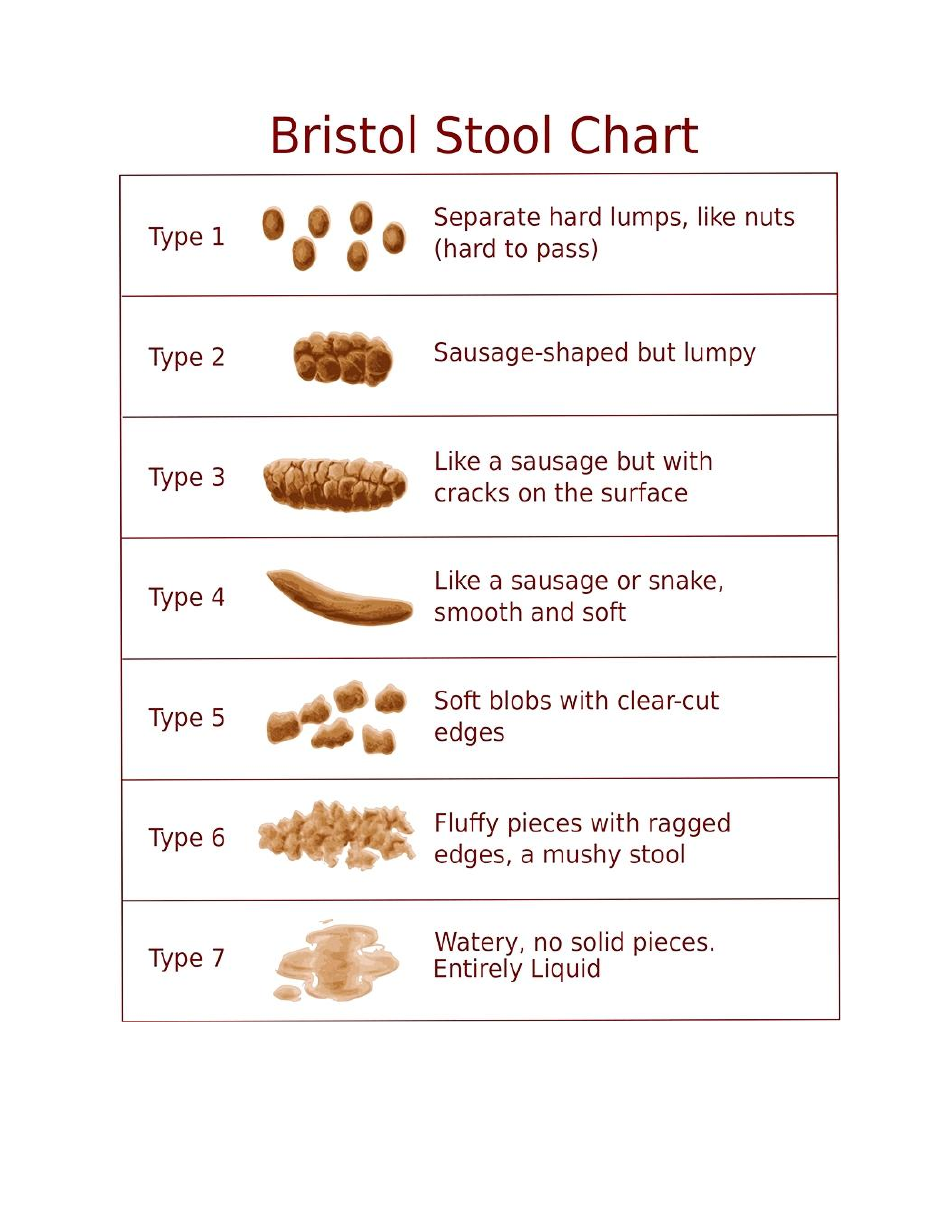
The Bristol Stool Chart categorizes stool into seven types, ranging from hard lumps to liquid. Each type has a specific appearance and texture, indicating various aspects of digestive health. For example:
- Type 1: Separate hard lumps (like nuts) – indicates constipation.
- Type 2: Sausage-shaped but lumpy – also suggests constipation.
- Type 3: Sausage-shaped with cracks – considered normal.
- Type 4: Smooth sausage or snake – the ideal stool type.
- Type 5: Soft blobs with clear edges – indicates a lack of fiber.
- Type 6: Fluffy pieces with ragged edges – mild diarrhea.
- Type 7: Watery, no solid pieces – severe diarrhea.
Each type provides insights into your hydration levels, diet, and overall digestive health. By tracking stool types over time, you can identify patterns that may require further attention.
Who Can Benefit From Using the Chart?
The Free Printable Bristol Stool Chart is beneficial for a variety of individuals:
- Individuals with Digestive Issues: If you’re experiencing ongoing gastrointestinal problems like IBS or diarrhea, this chart can help you pinpoint issues.
- Healthcare Providers: Doctors and nutritionists can use the chart to educate patients about normal versus abnormal stool characteristics.
- Parents: Monitoring a child’s stool can provide crucial information about their diet and health.
- Health Enthusiasts: Anyone interested in their overall digestive health can gain valuable insights from tracking their stool.
How to Use the Bristol Stool Chart
Using the Bristol Stool Chart is straightforward:
- Download and Print: Start by downloading the chart from a reliable source. Print it out on standard A4 or letter-size paper for easy use.
- Record Your Observations: Each time you use the restroom, take a moment to assess your stool type based on the chart.
- Document Your Findings: You can keep a simple log or journal alongside the chart to note any dietary changes, stress levels, or medications that may influence your results.
- Share with Your Healthcare Provider: If you notice persistent abnormalities, sharing your findings with a doctor can provide valuable context for your symptoms.
Tips for Effective Use
To get the most out of your Free Printable Bristol Stool Chart, consider these tips:
- Use Quality Paper: For durability, print on cardstock or thicker paper. This ensures that your chart withstands regular handling.
- Keep It Accessible: Place the chart in a bathroom or another easy-to-reach spot. This way, you can refer to it quickly, making the logging process easier.
- Stay Consistent: Regularly tracking your stool type helps identify patterns. Consistency is key to gathering meaningful data about your digestive health.
Where to Find the Chart
You can find the Free Printable Bristol Stool Chart on various health-related websites, including those dedicated to digestive health and wellness. Look for PDF versions that are easy to download and print. Some resources may also offer additional tips on digestive health, making them a great companion to the chart.
Presentation Quality for Best Use
When printing your Bristol Stool Chart, consider these presentation aspects:
- Paper Size: A standard A4 or letter-size paper works well for most home printers.
- Orientation: Landscape orientation can provide more space for notes if you choose to add them.
- Print Quality: Use a color printer for the best visual representation, especially if your chart includes color coding for different stool types.
If you plan to laminate the chart for repeated use, consider using a lamination service or self-laminating sheets. This will protect your chart and allow you to use dry-erase markers to log your findings.
Understanding Your Results
After using the Bristol Stool Chart for a while, you may start to notice trends in your bowel movements. Here’s how to interpret what you see:
- Regular Patterns: If you consistently see stool types that fall within the normal range (Types 3 and 4), your digestive health may be in good shape.
- Variability: If you notice frequent changes between types, it could signal dietary issues or stress. Pay attention to what you eat and how it correlates with your stool type.
- Persistent Abnormalities: If you find yourself frequently observing Types 1, 2, or 6-7, it’s wise to consult a healthcare provider. These types can indicate constipation or diarrhea, which may require dietary adjustments or medical intervention.
Tracking your stool types isn’t just about numbers; it’s about understanding your body better and taking proactive steps toward better health.