Using a Multiplication Table Chart Blank Printable can make a significant difference in how your child learns multiplication. If you’re looking for a tool that helps organize numbers visually, this chart is a fantastic resource. It allows kids to practice their multiplication skills in a structured way, making learning both fun and effective.
What is a Multiplication Table Chart Blank Printable?
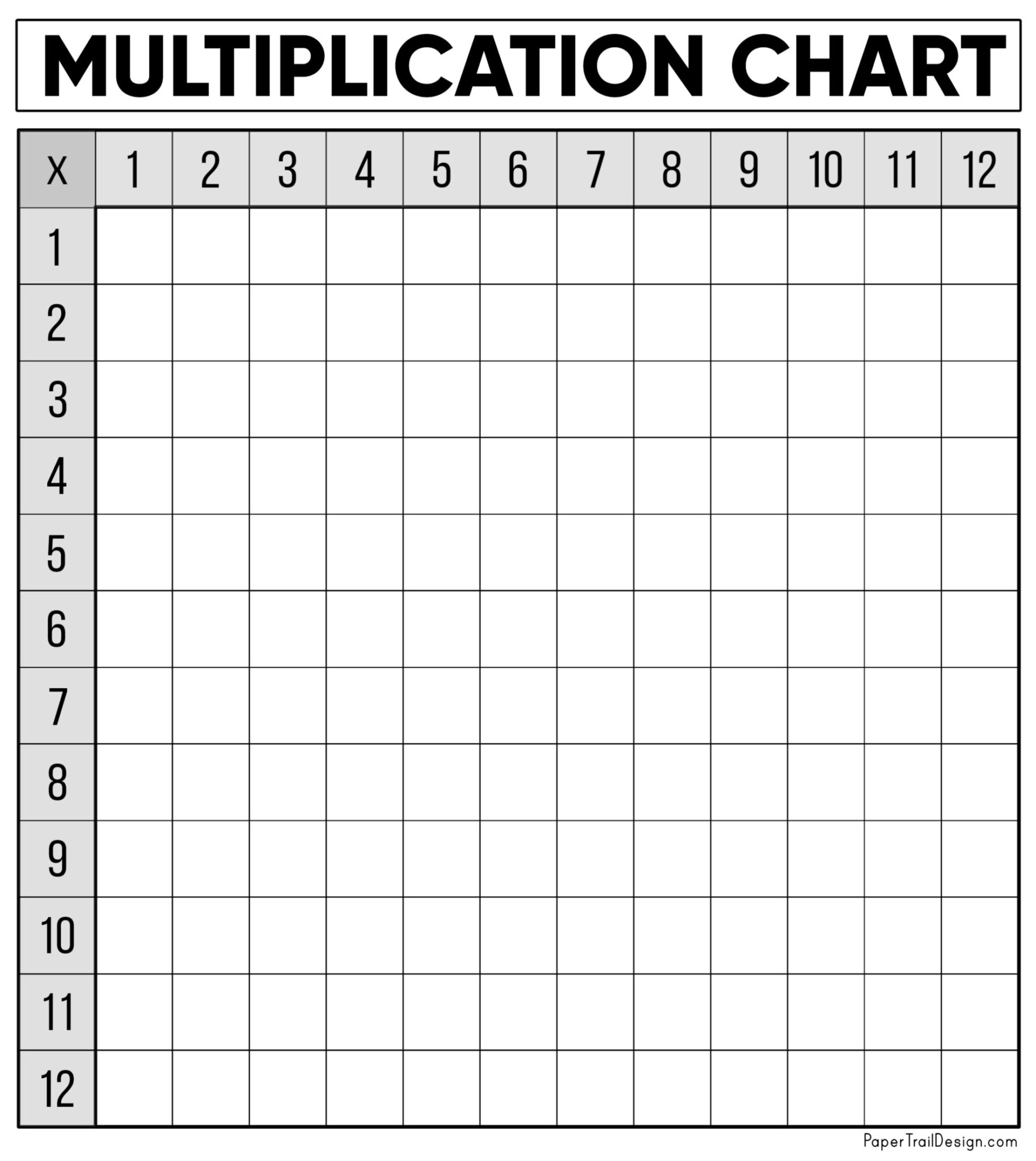
A multiplication table chart is a simple yet powerful educational tool. It typically features a grid layout where students can fill in the products of numbers multiplied together. When you use a blank chart, it encourages kids to engage actively with their learning process. Instead of just memorizing, they can visualize the relationships between numbers, which enhances their understanding.
This type of chart usually includes numbers from 1 to 12 or 1 to 10, depending on the version you choose. Printable resources are ideal because they allow for immediate use—simply print it out, and you’re ready to start learning!
Why Use a Blank Chart?
Using a blank multiplication table chart has several advantages:
- Encourages Active Learning: Filling in the chart requires students to think critically about multiplication instead of passively reading answers.
- Customization: You can adjust the table size based on your child’s learning level. For example, a smaller chart can be used for younger children just starting to learn multiplication.
- Visual Aid: Visual learners benefit significantly from seeing numbers organized in a grid, helping them to better grasp the concept of multiplication.
- Reusable: You can print multiple copies or laminate the chart for dry-erase use, allowing for repeated practice without wasting paper.
How to Use the Multiplication Table Chart Blank Printable
Using a multiplication chart effectively involves a few straightforward steps. Here’s how you can integrate it into your child’s study routine:
- Print the Chart: Download the multiplication table chart from a reliable printable-resource website and print it in a format that suits your needs. Portrait layout typically works best for most home printers.
- Introduce the Concept: Explain what multiplication is and how the chart works. You might say something like, “This is a way to see how numbers work together.”
- Start Filling It In: Begin with easy multiplications. For example, ask your child to fill in the 2s row first. This gives them a sense of accomplishment and builds confidence.
- Practice Regularly: Use the chart during your child’s study sessions. Consistent practice reinforces their understanding and helps them memorize multiplication facts.
- Check Work Together: After completing a section, go over the answers together. This helps to clarify any mistakes and reinforces correct answers.
Digital Vs. Print Completion: Which is Best?
When deciding whether to use a digital or printed version of the multiplication table chart, consider your child’s learning style and your own preferences:
- Digital Charts: Using a fillable PDF can be convenient. It allows kids to type in answers directly on a tablet or computer. Some children may find this more engaging, especially if they enjoy technology. Plus, it eliminates the mess of paper, and you can easily save their progress.
- Printed Charts: Writing by hand can improve memory retention. The physical act of writing helps some kids remember better than typing. Additionally, a printed chart can be easily displayed on a wall or kept in a binder for quick reference.
Both formats have their perks, so choose the one that suits your child best. You can even alternate between the two to keep things fresh.
Tips for Making the Most of Your Multiplication Table Chart
To maximize the benefits of using a multiplication table chart, here are some practical tips:
- Use Color Coding: Help your child differentiate between various multiplication facts by color-coding rows or columns. This visual technique can make learning more engaging and manageable.
- Set Goals: Encourage your child to set goals for what they want to achieve with the chart. For example, they might aim to complete the 5s row by the end of the week.
- Incorporate Games: Turn learning into a game. You can give your child challenges, like filling in a certain number of squares under time pressure, or have them compete with siblings or friends.
- Regular Review: Revisit the completed chart periodically. This not only reinforces their learning but also builds confidence as they see their progress over time.