Using a First Then Chart Free Printable is an effective way to help children understand sequences and expectations in their daily routines. This tool can be particularly beneficial for parents looking to simplify transitions, whether it’s for chores, daily activities, or learning tasks. With a clear visual representation, children can better grasp what is expected of them and what comes next in their day.
Understanding the First Then Chart
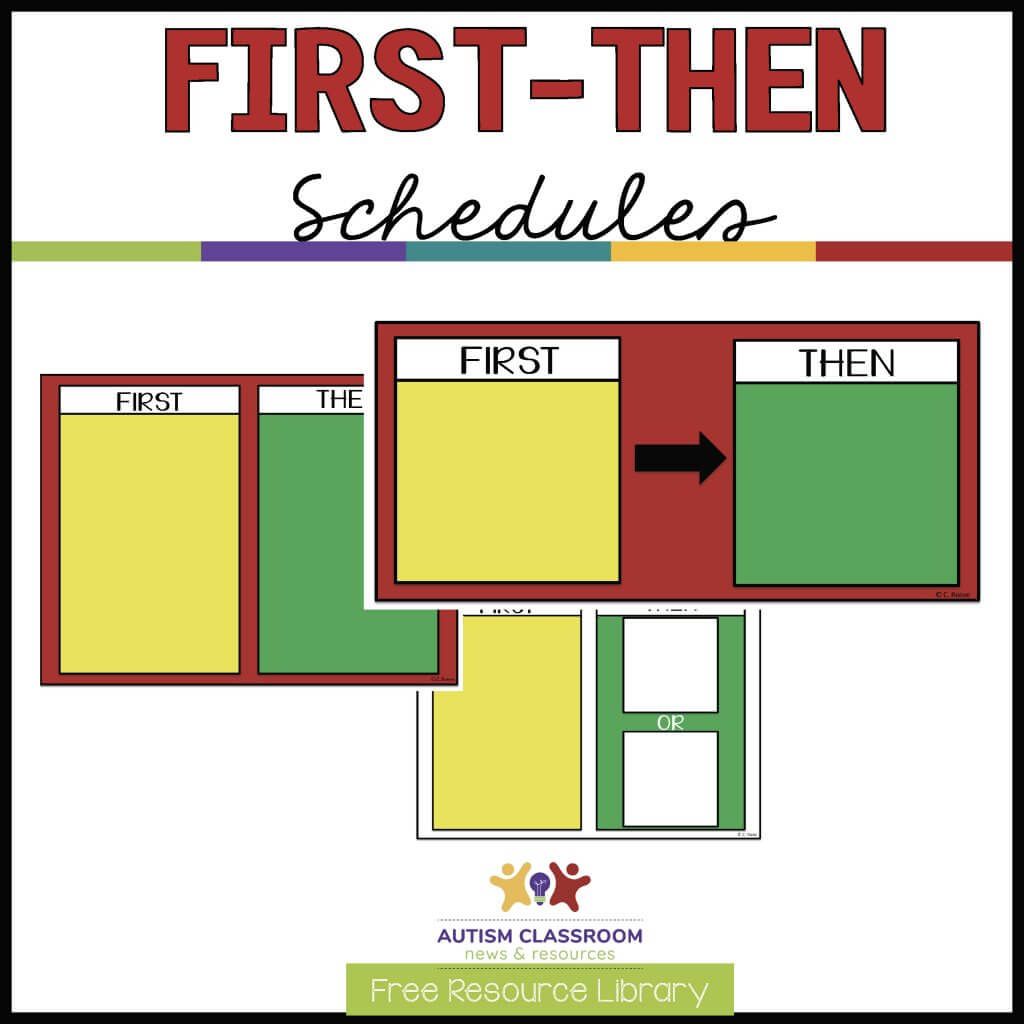
The First Then Chart is a straightforward visual aid that typically consists of two sections: “First” and “Then.” The “First” section outlines the initial task or activity, while the “Then” section describes what will happen afterward. This layout is designed to provide clarity and ease anxiety, especially for children who might struggle with transitions or need extra motivation to complete tasks.
For example, a chart might say “First: Clean up toys” and “Then: Go outside to play.” This clear delineation helps children visualize their responsibilities and the rewards they can expect, making it easier for them to follow through.
How to Use the First Then Chart
Implementing the First Then Chart in your home or classroom is simple and effective. Here’s how you can maximize its potential:
- Select Specific Tasks: Choose tasks that your child needs to complete. These can range from simple chores to more complex learning activities. Make sure they are age-appropriate and relevant to your child’s daily routine.
- Create the Chart: Use the free printable template to create your chart. Many templates are available online, allowing you to customize the tasks based on your child’s needs. Consider printing it in color for better engagement.
- Involve Your Child: Get your child involved in the process. Let them help choose the activities for the chart. This not only gives them a sense of ownership but also helps them understand the importance of each task.
- Display the Chart: Place the chart in a visible location, such as on the refrigerator or a wall in their playroom. This constant visibility serves as a reminder of what they need to do.
- Review and Adjust: After using the chart for a while, take some time to review its effectiveness. Are there tasks that need to be changed? Is your child responding well to it? Adjust as necessary to keep it relevant and engaging.
Benefits of Using a First Then Chart
Using a First Then Chart can provide several benefits for both children and parents:
- Visual Learning: Many children are visual learners. The chart provides a clear picture of what is expected, making it easier for them to understand their tasks.
- Increased Independence: By understanding what they need to do first and what comes next, children can become more self-sufficient. This independence fosters confidence and responsibility.
- Reduced Anxiety: For children who may feel overwhelmed by transitions or responsibilities, the chart breaks down tasks into manageable steps. This can significantly reduce anxiety and resistance.
- Positive Reinforcement: The “Then” section serves as a reward, providing motivation for children to complete tasks. This positive reinforcement can encourage them to develop good habits.
Tips for Creating an Effective First Then Chart
While the basic structure of a First Then Chart is simple, there are several small design choices that can make a big difference in how effective it is:
- Use Clear Images: If your child responds well to visuals, consider incorporating images or icons that represent the tasks. This can help them quickly understand what they need to do.
- Keep It Simple: Avoid overcrowding the chart with too many tasks at once. Focus on one or two tasks to prevent overwhelming your child.
- Consider Using Color Coding: Using different colors for different types of tasks (e.g., chores in blue, learning activities in green) can help children quickly distinguish between various activities.
- Make It Interactive: Consider using velcro or magnets if you want to make the chart interactive. Children can remove tasks as they complete them, which can provide a sense of accomplishment.
Where to Use Your First Then Chart
The beauty of the First Then Chart is its versatility. Here are some common settings where you can effectively implement it:
- Home: Use the chart for daily routines such as morning tasks, bedtime routines, or homework time. It can help create a smoother flow throughout the day.
- Classroom: Teachers can use the chart to outline daily schedules or specific learning tasks. This visual aid can help students stay focused and engaged.
- Therapy Sessions: For children with special needs or those undergoing therapy, a First Then Chart can provide structure and predictability, which are crucial for their success.
- Special Events: Whether it’s a birthday party or a family gathering, a First Then Chart can help children understand the sequence of events, reducing anxiety about what comes next.
Common Mistakes to Avoid
Creating an effective First Then Chart is generally straightforward, but there are a few common pitfalls to watch out for:
- Overcomplicating Tasks: Avoid making the tasks too complex. Simple, clear instructions are more effective than lengthy explanations.
- Neglecting to Update: As children grow and their needs change, be sure to update the tasks on the chart. What worked last month might not be relevant now.
- Ignoring Feedback: Pay attention to your child’s reactions. If they seem disengaged or confused, it might be time to rethink the tasks or how they are presented.