Keeping track of your infant’s feeding schedule can feel overwhelming, especially with all the different guidelines and recommendations out there. A Feeding Chart For Infants Printable can simplify this process, allowing you to monitor your baby’s feeding times, amounts, and any notes you may want to include. This resource is not only practical but also helps ensure that your little one is getting the nourishment they need during those crucial early months.
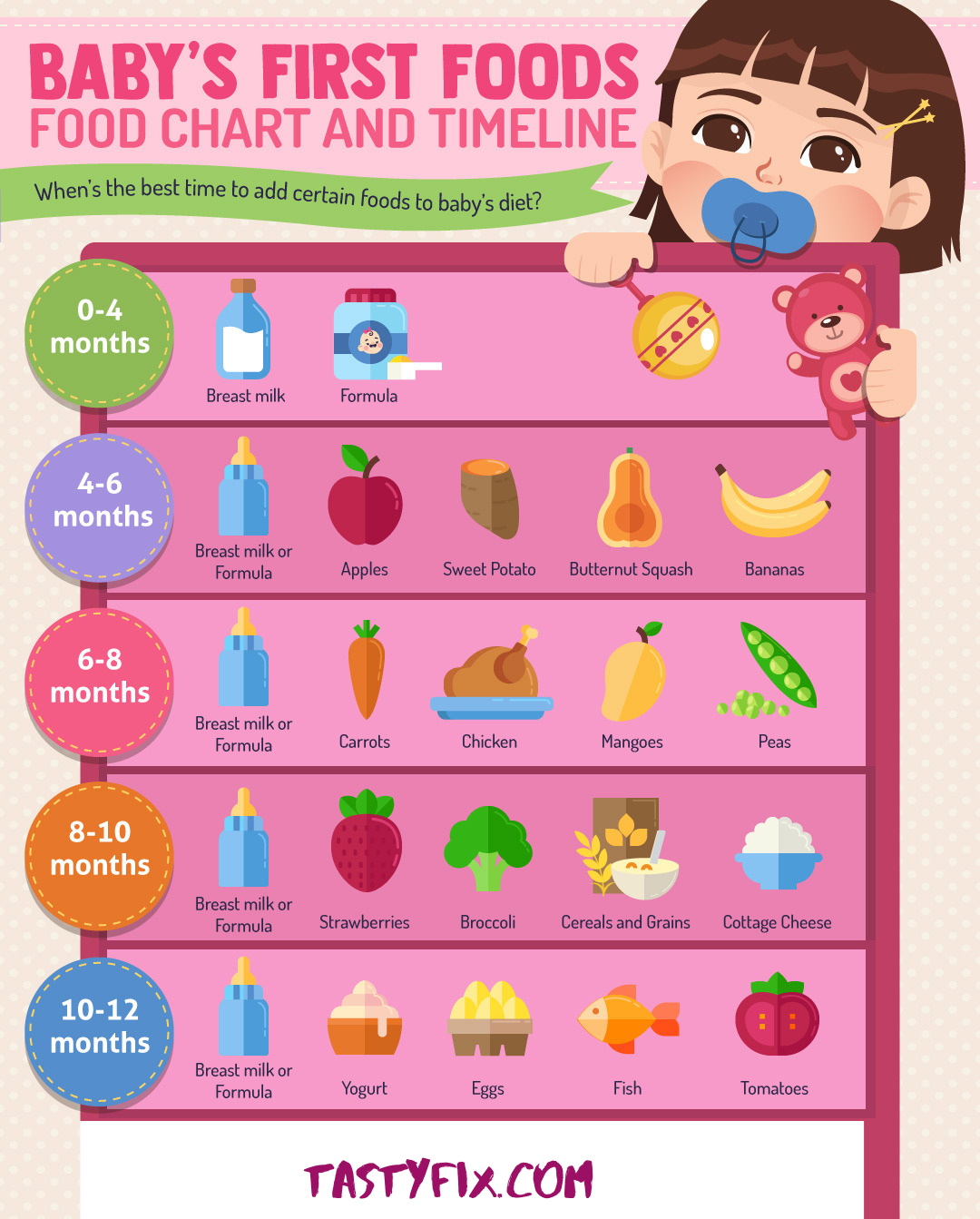
Understanding the Feeding Chart Layout
A well-designed feeding chart typically includes sections for the date, time of feeding, type of food, and the amount consumed. Some charts even have additional space for notes, which can be particularly useful for tracking any new foods you introduce or changes in your baby’s feeding habits. When you download a Feeding Chart For Infants Printable, you will often find it set up in a clear, easy-to-understand format.
For instance, your chart might look something like this:
- Date
- Time
- Type of Food
- Amount Consumed
- Notes
This layout not only organizes information logically but also makes it easy for you to fill in data quickly, even during those busy feeding times.
Benefits of Using a Printable Feeding Chart
Using a printable feeding chart has several advantages:
- Visual Tracking: You can see at a glance how often your baby is feeding and what types of food they are eating.
- Identifying Patterns: Over time, you may notice trends in your baby’s appetite, which can help you plan meals more effectively.
- Communication with Healthcare Providers: If you need to visit a pediatrician, having this chart can provide valuable insights into your infant’s feeding habits, making it easier to discuss any concerns.
Moreover, having a tangible chart in your home allows for easy access. You can hang it on the fridge or keep it in a designated binder, ensuring it’s always within reach.
How to Use Your Feeding Chart Effectively
Once you’ve printed your feeding chart, the next step is utilizing it effectively. Here’s how:
- Fill It Out During Feedings: Keep a pen nearby during feedings to jot down details right after each session. This will help you remember specifics about the feeding.
- Review Regularly: At the end of each week, take some time to review the chart. Are there any patterns? Is your baby consistently feeding at certain times?
- Adjust as Needed: If you notice your baby is hungrier at certain times, you can adjust their feeding schedule accordingly.
- Include New Foods: If you’re introducing solids, use the notes section to detail any new foods and how your baby responds. This can help you identify any potential allergies.
- Share with Caregivers: If someone else is watching your baby, make sure they have access to the feeding chart so they can keep it updated. This ensures continuity in your baby’s feeding routine.
Where to Find Printable Feeding Charts
You can find a variety of Feeding Chart For Infants Printable options online. Many parenting websites and blogs offer free downloads. When looking for a chart, consider:
- Customization: Some charts allow you to add your own headings or notes, which can be beneficial if you have specific dietary goals or concerns.
- Design: Choose a design that appeals to you and matches your home aesthetic. A visually pleasing chart may motivate you to keep it updated.
- Format: PDFs are generally the best choice for printing, as they maintain formatting across devices and printers.
Common Mistakes to Avoid
When using a feeding chart, there are some common mistakes you’ll want to avoid:
- Inconsistent Entries: Make sure to fill in the chart consistently. Missing entries can lead to confusion about your baby’s feeding habits.
- Neglecting Notes: Don’t skip the notes section. It’s easy to forget how your baby reacted to a new food or if they had a particularly fussy day.
- Not Reviewing the Chart: Take time to review your chart regularly; it’s easy to forget about it if you don’t actively engage with it.