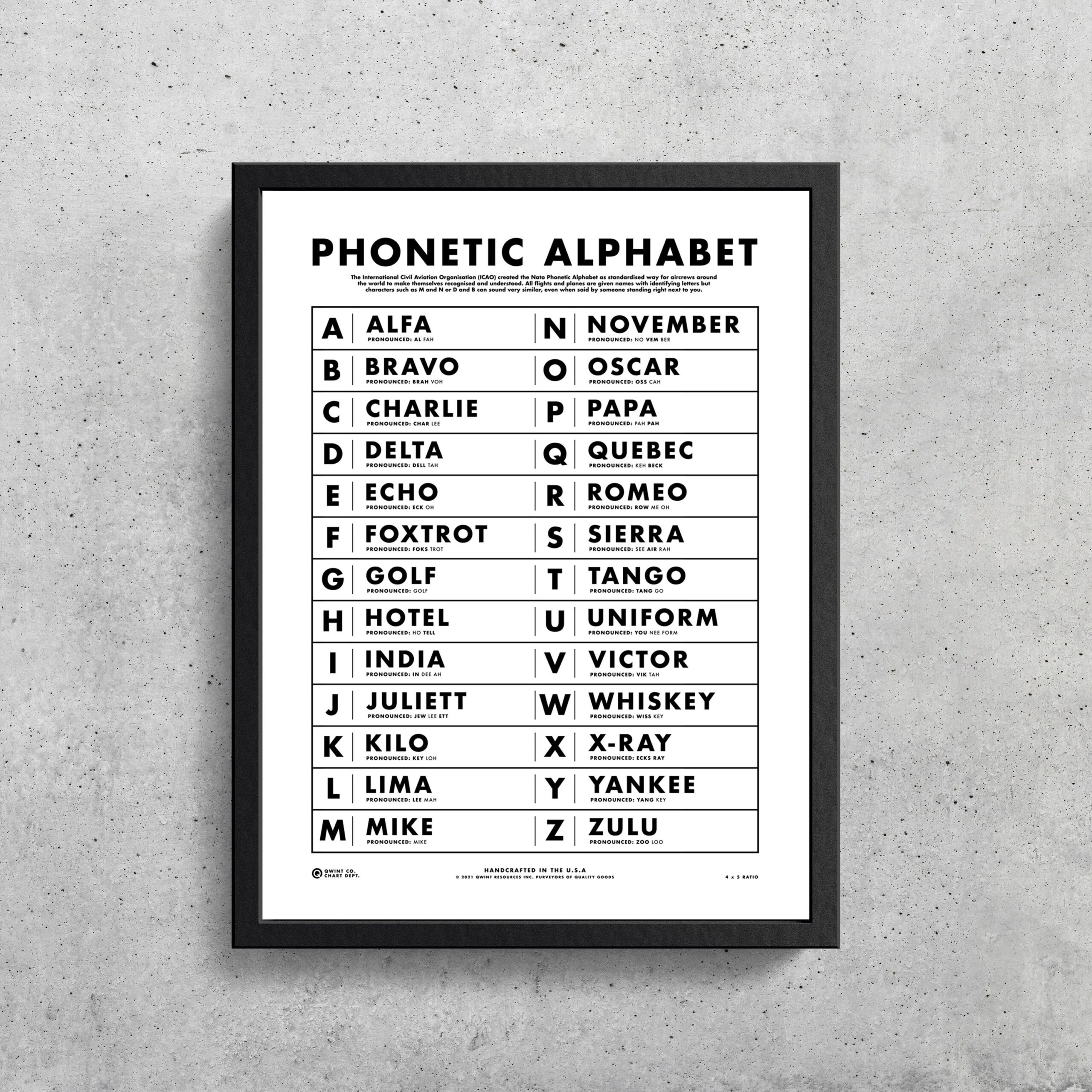
When it comes to learning the phonetic alphabet, having a reliable resource is key. Our Free Printable Phonetic Alphabet Chart serves as a great tool for parents and educators looking to help children understand phonetics and improve their communication skills. This chart is designed for easy printing and can be utilized in various settings, from classrooms to homes.
Understanding the Phonetic Alphabet
The phonetic alphabet is a system that assigns a unique word to each letter of the alphabet. It’s widely used in fields like aviation, military, and telecommunications to ensure clarity in verbal communication. For instance, instead of saying “B,” you would say “Bravo.” This system helps prevent misunderstandings, especially in noisy environments.
Using a phonetic alphabet chart makes it easier for children to learn how to articulate letters clearly. It’s suitable for kids as young as kindergarten age, but it can also be beneficial for older children who need to improve their spelling and pronunciation skills.
Why Use a Printable Chart?
Having a physical copy of the phonetic alphabet chart can be incredibly useful. Here are a few reasons why:
- Visual Aid: Children often learn better with visual aids. A chart provides a clear representation of the phonetic alphabet and can be easily referenced.
- Accessibility: You can print the chart in various sizes, making it easy to display in a classroom, on a bulletin board, or even in your child’s study area at home.
- Engagement: Using a tangible resource can keep children engaged and help them practice pronunciation in a fun way.
How to Download and Print the Chart
Getting your hands on the Free Printable Phonetic Alphabet Chart is simple. Follow these steps:
- Choose Your Format: The chart is available in PDF format, which is ideal for preserving the layout when printing.
- Download the File: Click the download link to save the chart to your device. This file is compatible with both Windows and Mac systems.
- Select Your Print Settings: For the best results, select the portrait layout in your print settings. Depending on your printer, you may want to use cardstock for durability, especially if the chart will be handled frequently.
- Print: Hit the print button! If you have a color printer, use it to get the most vibrant and engaging result.
Setting Up the Chart for Use
Once you have printed the chart, it’s time to set it up for use. Here’s how you can make the most of this resource:
- Display It: Hang the chart in a place where children can easily see it, like above their study desk or on a wall in their room. This encourages frequent reference.
- Incorporate It into Learning Activities: Use the chart during spelling tests, pronunciation practice, or while playing phonetic games. You can even turn it into a matching game where children match letters with their corresponding phonetic words.
- Review Regularly: Make it a routine to review the phonetic alphabet chart. You could set aside a few minutes each day for practice, helping reinforce their learning.
Engaging Activities Using the Chart
To enhance your child’s learning experience with the phonetic alphabet, consider these engaging activities:
- Flashcards: Create flashcards using the phonetic words. You can have your child match the word with the correct letter.
- Spelling Bee: Organize a fun spelling bee where children must use the phonetic alphabet to spell out words.
- Role-Playing: Encourage children to role-play scenarios where they would need to use the phonetic alphabet, such as calling in an emergency or communicating over the radio.
Benefits of Mastering the Phonetic Alphabet
Learning the phonetic alphabet can provide several benefits beyond just spelling. Here are a few:
- Improved Communication Skills: Children learn to articulate words more clearly, which can boost their confidence in speaking.
- Enhanced Listening Skills: As they practice, they become better at listening to sounds and understanding speech, which aids overall language development.
- Preparation for Future Learning: Mastering the phonetic alphabet lays a strong foundation for learning other languages or subjects that require precise communication.