Understanding vowel sounds is fundamental for young learners, and a Free Printable Long And Short Vowel Chart can be a valuable resource for parents and educators alike. This chart not only simplifies the concept of long and short vowels but also serves as a practical tool for teaching and reinforcing these sounds in everyday learning activities. Here’s how you can effectively use this resource to benefit your child’s literacy journey.
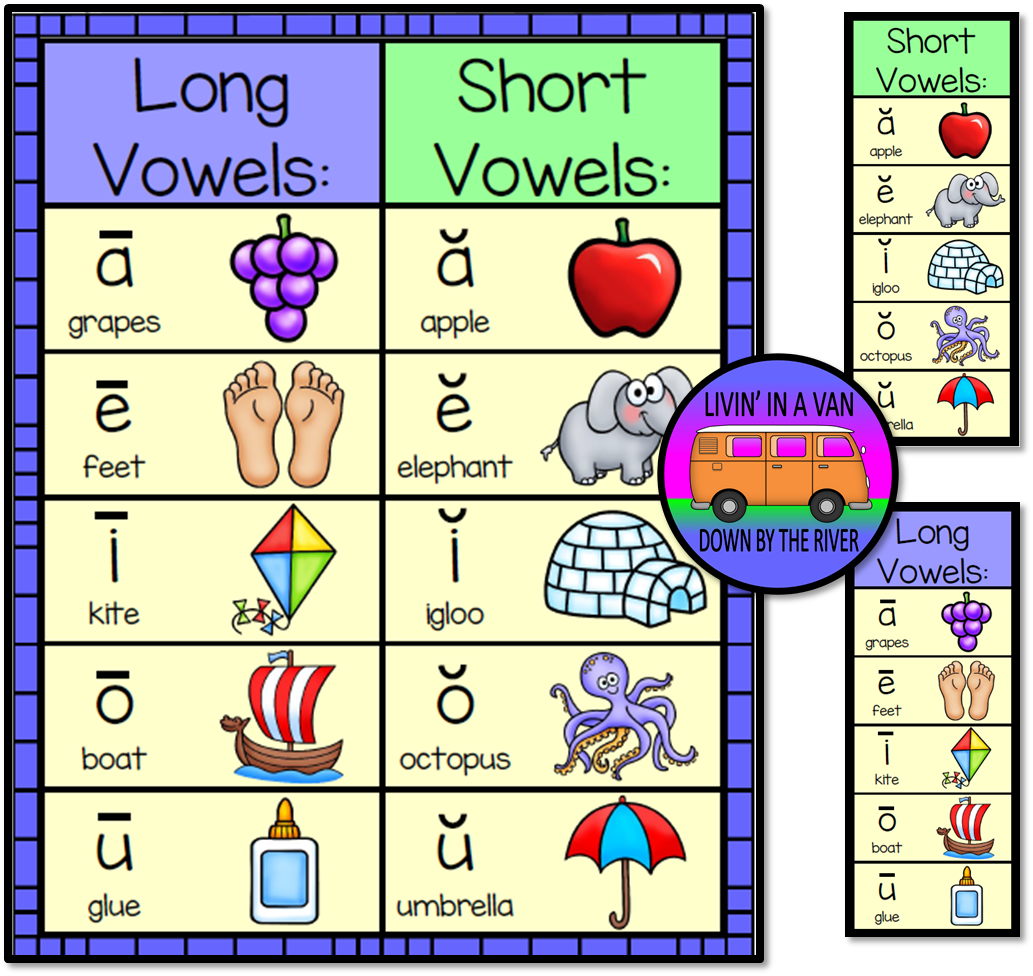
What is a Long and Short Vowel Chart?
A long and short vowel chart is a visual aid that categorizes vowels into two distinct types: long vowels, which say their name (like ‘a’ in “cake”), and short vowels, which have a different sound (like ‘a’ in “cat”). This chart often lists the vowels alongside example words that make it easy for children to understand the differences.
When you download this Free Printable Long And Short Vowel Chart, you’ll typically receive a PDF file that features the vowels A, E, I, O, and U in both long and short forms, along with illustrative examples. This straightforward layout helps children quickly grasp the concept, making it an ideal tool for both home and classroom environments.
How to Use the Vowel Chart
Using the chart effectively means incorporating it into your child’s learning routine. Here are some practical ways to do that:
- Daily Review: Spend a few minutes each day reviewing the chart. Point to each vowel and say its name and sound together with your child. This repetition reinforces their understanding.
- Word Games: Use the chart to play games. Ask your child to find a word on the chart that starts with a specific vowel sound. This engages them actively and makes learning fun.
- Writing Practice: Encourage your child to write sentences using words from the chart. This not only builds vocabulary but also helps them connect sounds to spelling.
- Visual Reference: Hang the chart in a visible place, such as on the refrigerator or a wall in your child’s study area. This acts as a constant reminder and reference as they learn to read and write.
Preparing to Print the Chart
Before you print the Free Printable Long And Short Vowel Chart, here are a few things to consider:
- Paper Size: Most printable resources are formatted for standard letter size (8.5 x 11 inches). Ensure your printer settings are adjusted for this size to avoid any cropping issues.
- Print Quality: For best results, print on high-quality paper. A heavier paper or cardstock can be beneficial if you plan to laminate the chart for durability.
- Color Settings: If the chart features colors, ensure your printer is set to print in color. This enhances the visual appeal and helps captivate your child’s attention.
Organizing Learning Activities Around the Chart
Once you have your chart ready, think about how it can fit into your regular learning activities. Here are some ideas:
- Phonics Lessons: Integrate the chart into phonics lessons. Focus on one vowel sound per week, using the chart as a reference point for words that feature that sound.
- Story Time: Use the chart during storytime. As you read, pause to identify words that contain long and short vowels, reinforcing the sounds in context.
- Craft Projects: Let your child create their own words using the vowels from the chart. This could be through drawing pictures of the words or making flashcards.
- Assessment Tool: Use the chart as a tool for assessing your child’s understanding. Ask them to categorize words into long or short vowel sounds to gauge their learning progress.
Additional Resources to Complement the Vowel Chart
While the Free Printable Long And Short Vowel Chart is a fantastic starting point, you might want to explore additional resources to deepen your child’s understanding of vowels. Here are some options:
- Worksheets: Look for worksheets that focus on vowel sounds. These often include exercises like filling in the blanks, matching words to pictures, or sorting words based on vowel sounds.
- Interactive Games: There are many online platforms that offer interactive vowel games. These can provide a fun way for children to practice vowel recognition and sounds.
- Books: Invest in beginner reading books that emphasize short and long vowel sounds. Many early readers are designed to highlight these phonetic patterns, making them a great complement to your chart.