Learning to play the piano can be an exciting journey for both kids and parents. One essential tool that can greatly assist in this process is a Printable Piano Keyboard Note Chart. This resource helps young musicians identify notes quickly, making practice more enjoyable and effective. In this article, I’ll guide you through the benefits of using this chart, how to download and print it, and practical tips for integrating it into your child’s practice routine.
Understanding the Printable Piano Keyboard Note Chart
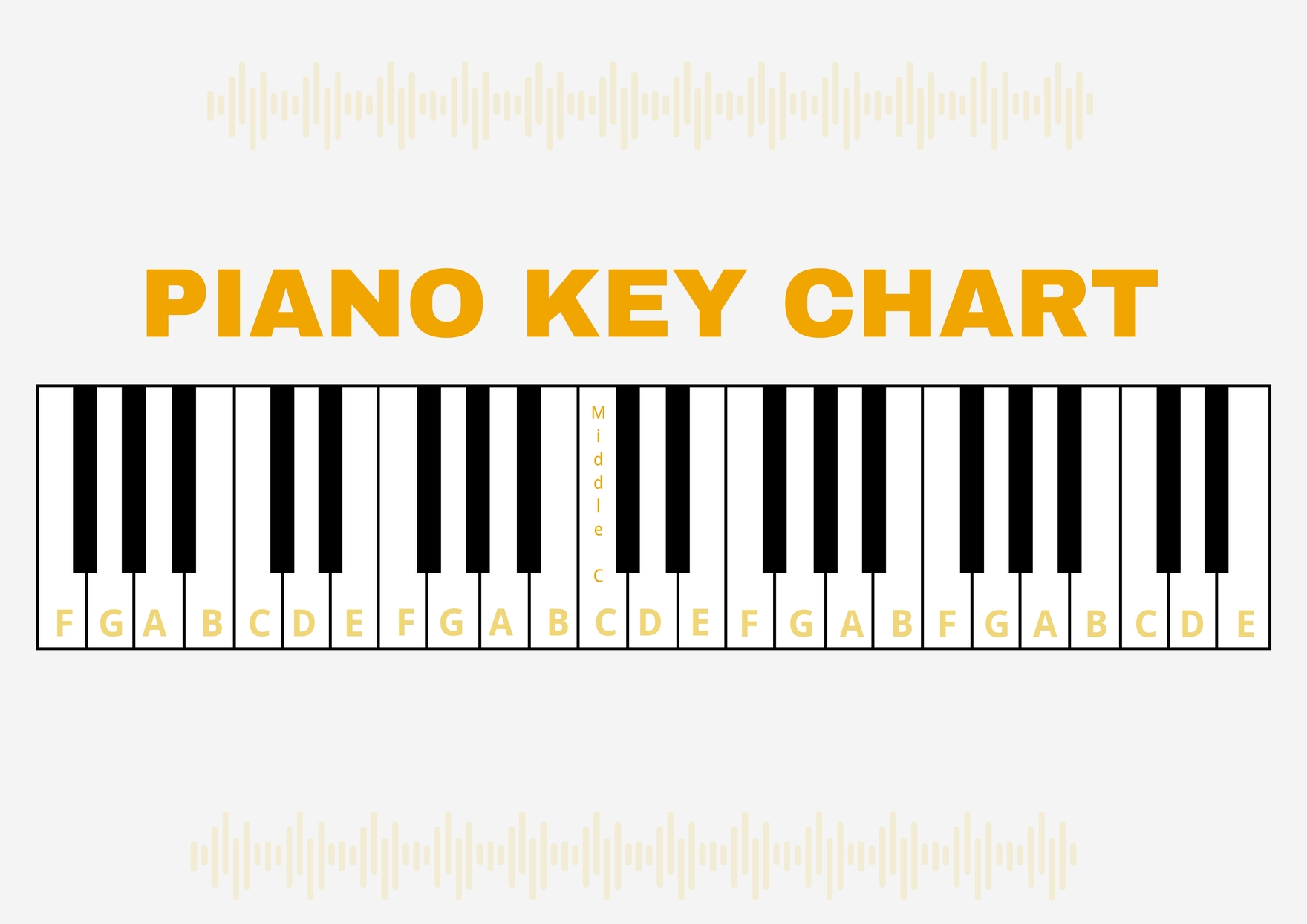
A Printable Piano Keyboard Note Chart is a visual aid that displays the notes found on a piano keyboard. It typically shows the keys labeled with their corresponding note names, which is especially helpful for beginners. The chart can vary in design; some might include just the white keys, while others may show the black keys as well.
Using this chart allows children to familiarize themselves with the layout of the piano, making it easier to learn songs and scales. It serves as a reference point during practice sessions, reinforcing note recognition and improving overall musicality.
How to Download and Print Your Chart
Downloading and printing a Printable Piano Keyboard Note Chart is a straightforward process. Here’s how you can do it:
- Find a Reliable Source: Search for a reputable website that offers this chart for free or at a reasonable price. Look for sites that specialize in educational resources or music education.
- Choose the Right Format: Most charts are available in PDF format. This is ideal because it maintains the layout regardless of the device you use. Make sure the chart is designed for easy printing.
- Download the File: Click the download link, and save the file to your computer or device.
- Print Settings: When printing, consider using high-quality paper, preferably cardstock. This will ensure durability. Adjust your printer settings to fit the chart to the page, and choose landscape orientation for better visibility of the notes.
- Size Matters: If you prefer a larger chart for better visibility, you can scale the print size in the settings before printing. A size of 11×17 inches works well if you have the option.
Best Practices for Using the Chart in Practice
Integrating the Printable Piano Keyboard Note Chart into your child’s practice routine can significantly enhance their learning experience. Here are some practical tips:
- Display it Prominently: Hang the chart near the piano or on a nearby wall. This constant visibility will encourage your child to reference it frequently.
- Daily Practice: Incorporate the chart into daily practice sessions. Start each session by reviewing the notes on the chart. This helps reinforce memory and recognition.
- Interactive Learning: As your child plays, ask them to point to the corresponding notes on the chart. This interactive method can make learning more engaging.
- Color Coding: Consider color coding the notes on the chart with stickers or markers. For instance, you might use one color for sharps and another for flats. This visual aid can help with note differentiation.
- Games and Quizzes: Turn learning into a game. You can quiz your child on identifying notes quickly. For example, say a note name and have them find and play it on the keyboard.
Digital Vs. Print: Which is Better?
When it comes to using a Printable Piano Keyboard Note Chart, you may wonder whether to go digital or print it out. Each option has its advantages:
Digital Version
- Portability: You can access a digital chart on various devices like tablets or laptops. This makes it easy to reference during lessons or practice.
- Interactive Features: Some digital versions may include interactive features, such as clickable notes or sound playback, which can enhance learning.
- Easy Updates: If a new version or design is created, you can easily download it without needing to print it again.
Printed Version
- Tactile Learning: Having a physical chart can be beneficial for tactile learners who prefer to write notes or mark their progress directly on the chart.
- No Distractions: A printed version eliminates distractions that can occur with digital devices, allowing for a more focused practice session.
- Durability: Once printed on sturdy paper, the chart can be laminated or placed in a protective sleeve, ensuring it lasts through many practice sessions.
Ultimately, the choice between digital and print comes down to your child’s learning style and your family’s preferences. You might even find that a combination of both works best.
Enhancing the Learning Experience With Additional Resources
In addition to the Printable Piano Keyboard Note Chart, consider complementing your child’s learning with other resources:
- Piano Method Books: These often include exercises that reinforce note recognition and piano skills.
- Online Tutorials: Websites and apps offer interactive lessons that can guide your child through learning songs and concepts.
- Flashcards: Create flashcards with notes on one side and their corresponding keys on the other. This can be a fun way to test knowledge away from the piano.
Using a variety of resources can help keep your child engaged and motivated in their piano journey.
Final Tips for Success
To make the most of your Printable Piano Keyboard Note Chart, remember to keep it accessible and incorporate it into regular practice. Encourage your child to explore the piano freely, using the chart as a guide rather than a crutch.
A great tip is to set small goals, such as learning a new note each week, and celebrate those achievements. This can foster a sense of accomplishment and encourage continued practice.
With these strategies in place, your child will be well on their way to mastering the piano, one note at a time.