Using a Daily Behavior Chart Kindergarten Printable is a fantastic way to help your child develop positive behavior habits. These charts can assist in tracking behavior daily, making it easier for parents and teachers to provide feedback and encouragement. But how do you effectively use this resource? Let’s break it down step-by-step.
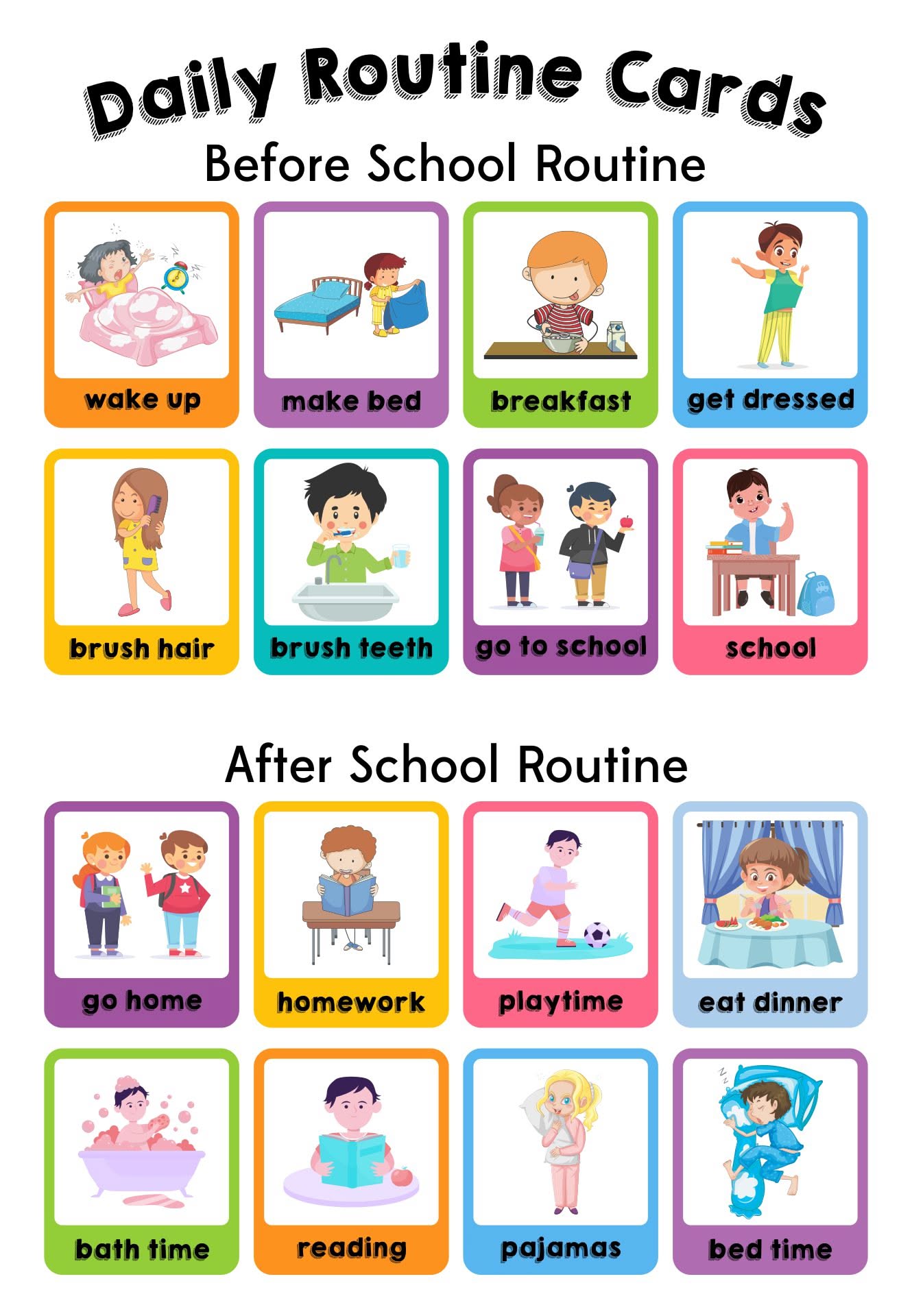
Understanding the Daily Behavior Chart
A Daily Behavior Chart is designed to help kindergarteners and their caregivers monitor behavior throughout the day. It typically includes sections for different times of the day, such as morning, afternoon, and evening. Each section allows you to record specific behaviors, which can be categorized into positive and negative actions.
What Should Be Included?
When using a Daily Behavior Chart Kindergarten Printable, it’s helpful to include:
- Date: Each chart should have a space to write the date to track progress over time.
- Behavior Categories: Common categories include Participation, Respect, Responsibility, and Kindness. You can adjust these based on your child’s needs.
- Rating System: A simple scale, like stars or smiley faces, can make it engaging for kids to see their progress visually.
- Comments Section: A space for notes allows you to reflect on the day’s events and provide specific praise or constructive feedback.
How to Use the Chart Effectively
To get the most out of your Daily Behavior Chart, follow these practical steps:
Step 1: Set Clear Expectations
Before using the chart, sit down with your child and discuss what behaviors you are looking to encourage. Make sure they understand what is expected of them. For example, you might say, “We want to focus on being kind to our friends and listening to our teachers.”
Step 2: Print and Prepare
When you download the Daily Behavior Chart Kindergarten Printable, consider the following:
- Paper Type: Use cardstock for durability, especially if you plan to laminate the chart for repeated use.
- Size: Standard printing on 8.5 x 11 inches works well for most home printers. Make sure your printer settings are adjusted to fit the paper size correctly.
Step 3: Daily Check-Ins
Each day, take a few moments to review the chart with your child. Ask them how they think they did. This not only reinforces their learning but also encourages self-reflection. You can fill in the chart together, marking off positive behaviors and discussing any areas for improvement.
Step 4: Weekly Review
At the end of the week, review the chart together. Celebrate their successes, such as earning a certain number of stars or smiley faces. You might want to set up a small reward system, like a sticker or extra playtime, for achieving specific goals.
Digital Vs. Printable Versions
You might wonder whether to use a digital or printed version of the Daily Behavior Chart Kindergarten Printable. Here’s a breakdown of each option:
Digital Version
- Pros: Fillable PDFs can be filled in on your computer or tablet, making it easy to save and share. It’s also environmentally friendly since you’re using less paper.
- Cons: Digital tools can sometimes lead to distractions, especially for young children who might be tempted to play games instead of focusing on behavior tracking.
Printable Version
- Pros: The tactile experience of writing can help children remember their goals. Plus, charts can be displayed prominently in the home or classroom, serving as a constant reminder.
- Cons: You’ll need to print new copies regularly if you want to maintain a fresh chart for each day or week.
Tips for Success
To maximize the effectiveness of your Daily Behavior Chart Kindergarten Printable, consider these additional tips:
- Involve Your Child: Let your child help decorate the chart. This can create a sense of ownership and motivation.
- Be Consistent: Use the chart daily. Consistency helps reinforce behaviors and makes tracking easier.
- Model Positive Behavior: Show your child what positive behavior looks like. They often learn by example, so demonstrating good behavior yourself is essential.
When to Adjust the Chart
As your child grows, their behavior and needs will change. Don’t hesitate to update the categories or expectations on the chart. This flexibility can help keep them engaged and motivated.