Keeping track of your blood pressure is essential for maintaining good health, especially if you’re managing conditions like hypertension. A Printable Nhs Blood Pressure Recording Chart is an excellent tool for this purpose. It allows you to monitor your readings in a structured way, ensuring you can share accurate information with your healthcare provider. Let’s walk through how to make the most of this resource.
Understanding the Printable Nhs Blood Pressure Recording Chart
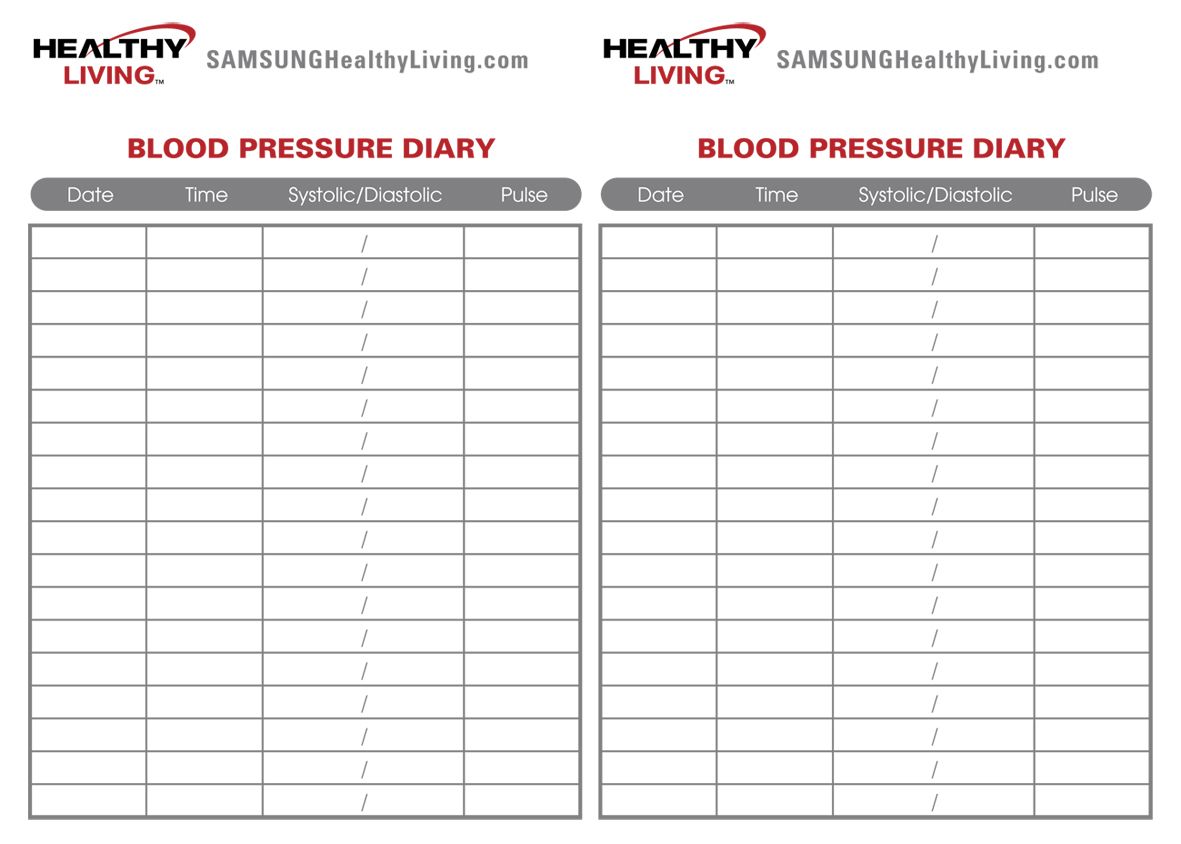
The Printable Nhs Blood Pressure Recording Chart is designed to help you record your blood pressure readings conveniently. Typically formatted as an easy-to-fill chart, it helps you track your systolic and diastolic values, along with the date and time of each reading. This systematic approach aids in identifying patterns over time, making it easier to manage your health proactively.
When you use this chart, you can visualize your blood pressure trends, which is particularly useful when discussing your condition with healthcare professionals. This method of tracking can lead to better-informed decisions regarding your treatment plan.
How to Download and Print the Chart
Downloading and printing the Printable Nhs Blood Pressure Recording Chart is a straightforward process. Here’s how you can do it:
- Find a Reliable Source: Look for a reputable website that offers the chart for download. Ensure the site is secure and well-reviewed.
- Select the Format: The chart is usually available in PDF format, which is preferable for printing as it maintains the layout across different devices.
- Download the File: Click on the download link and save the file to your device. Make sure to note where you saved it for easy access.
- Print the Chart: Open the PDF file and check your printer settings. Using a standard letter size (8.5 x 11 inches) is ideal for most home printers. If you have a color printer, printing in color can make the chart easier to read.
- Use Quality Paper: For durability, consider using cardstock or high-quality printing paper. This is especially important if you plan to keep the chart for an extended period.
Filling Out Your Blood Pressure Chart
Once you have your Printable Nhs Blood Pressure Recording Chart ready, it’s time to start filling it out. Here are some tips to ensure you’re recording your readings accurately:
- Take Readings at Consistent Times: For the best results, measure your blood pressure at the same time each day. Morning and evening are common times to take readings.
- Follow Proper Technique: Sit quietly for five minutes before taking your reading. Use a cuff that fits properly and is placed at heart level for accurate results.
- Record All Necessary Information: Write down the date, time, systolic pressure (the top number), and diastolic pressure (the bottom number) each time you take a reading. Many charts will also have space for notes, which can be useful for tracking symptoms or medication changes.
- Review Regularly: At the end of each week or month, take a moment to review your recorded data. Look for trends or fluctuations that may warrant a discussion with your healthcare provider.
Where to Submit or Share Your Recordings
After you’ve filled out your Printable Nhs Blood Pressure Recording Chart, you may need to submit or share this information with your healthcare provider. Here’s how to approach this:
- Schedule Regular Check-Ups: Bring your chart to your next appointment. Having a visual record makes it easier to discuss your blood pressure management.
- Consider Emailing Your Record: If your provider allows it, you can scan or take a photo of your filled-out chart and email it to them. This is especially useful for telehealth appointments.
- Keep Copies: Always keep a copy of your chart for your records. This way, you have a personal log to reference in future appointments.
Common Mistakes to Avoid
While using the Printable Nhs Blood Pressure Recording Chart is relatively straightforward, there are common pitfalls to be aware of:
- Inconsistent Timing: Not taking your readings at the same time each day can lead to inaccurate tracking. Consistency is crucial for reliable data.
- Ignoring Symptoms: If you notice symptoms like headaches or dizziness, make a note of them alongside your readings. This information can be pivotal for your healthcare provider.
- Neglecting to Update Records: Ensure you fill in your chart regularly. It’s easy to forget when you’re busy, but regular updates lead to better health management.
- Using Incorrect Cuff Sizes: If you’re using a manual or automatic blood pressure cuff, make sure it’s the right size for your arm. An ill-fitting cuff can give inaccurate readings.
By following these guidelines, you’ll maximize the effectiveness of your Printable Nhs Blood Pressure Recording Chart, ensuring you stay on top of your health. Tracking your blood pressure doesn’t have to be a daunting task. With the right tools and a bit of organization, you can take control and simplify your health management.
One additional tip: If you find that you are frequently needing to print additional charts, consider laminating one for repeated use with a dry-erase marker. This can save paper and make tracking even easier!