Understanding emotions can be a complex task for children. That’s where the Free Printable Lego Feelings Chart comes in handy. This engaging resource not only utilizes the popular Lego theme that kids adore but also provides a fun, visual way for them to express and identify their feelings. If you are a parent, teacher, or caregiver, this chart can be a great addition to your toolkit for emotional learning.
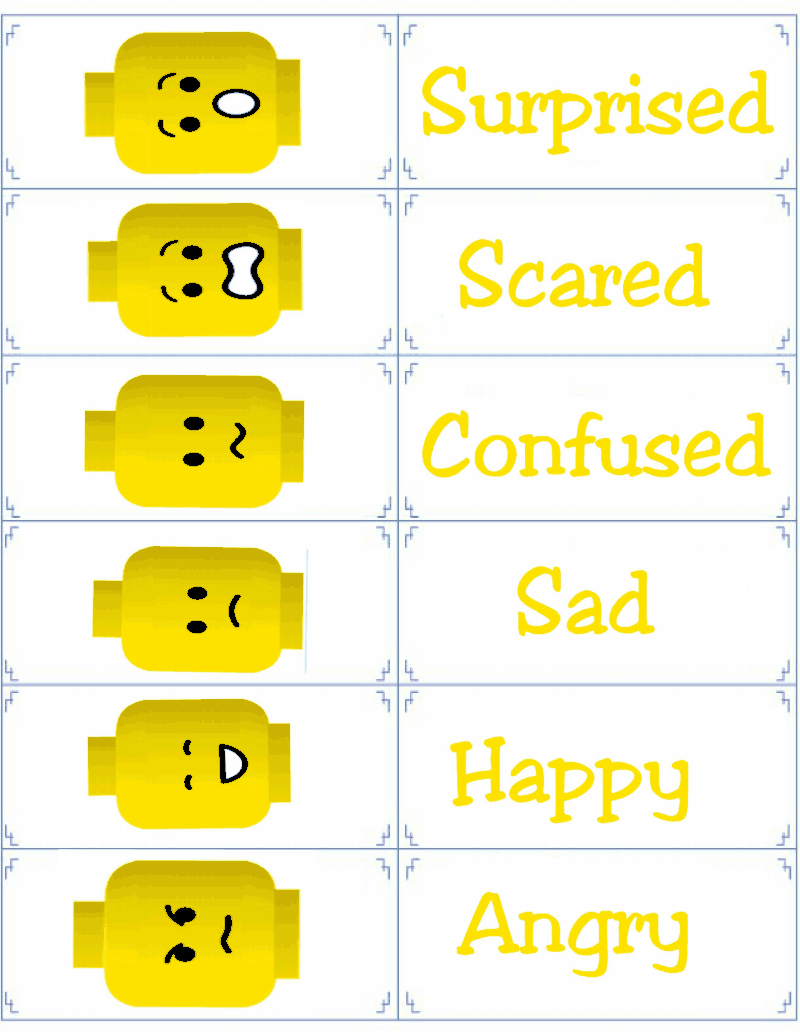
What is a Lego Feelings Chart?
A Lego Feelings Chart is a visual aid designed to help children recognize and articulate their emotions. The chart typically features various Lego characters, each displaying different feelings such as happy, sad, angry, or scared. By using these relatable figures, children can connect better with their emotions and those of others. This resource is particularly beneficial for kids who may struggle with verbalizing their feelings or require a bit of encouragement to open up.
How to Use the Free Printable Lego Feelings Chart
Using the chart is straightforward, but there are a few practical considerations to keep in mind to make the most of it.
- Download and Print: Start by downloading the Free Printable Lego Feelings Chart from a trusted site. Most charts come in PDF format, which is easy to print. Make sure you select the correct paper size (usually A4 or letter size) in your printer settings. Portrait layout generally works best for home printers.
- Preparation: Before introducing the chart to your child, familiarize yourself with its contents. Take a moment to explore the different emotions depicted by the Lego characters. Understanding the visuals will help you guide your child more effectively when discussing their feelings.
- Incorporate into Daily Routine: Consider adding the chart to your daily routine. You could use it during a morning check-in or as part of a bedtime reflection. Encourage your child to point to or color in the character that represents how they feel at that moment.
- Encourage Discussion: Use the chart as a conversation starter. Ask your child questions about why they feel a certain way or what might have caused those feelings. This dialogue can help them understand their emotions better and develop emotional vocabulary.
- Adapt for Different Settings: The Lego Feelings Chart can be adapted for various settings—be it at home, in the classroom, or during therapy sessions. You might even consider making multiple copies to keep in different locations, ensuring that it’s always accessible when needed.
Key Features of the Lego Feelings Chart
When looking for a Free Printable Lego Feelings Chart, here are a few features to consider:
- Visual Appeal: The use of bright colors and familiar Lego characters makes the chart attractive to children. It captures their attention and encourages engagement.
- Emotion Variety: A good feelings chart should cover a wide range of emotions. Look for charts that depict both common feelings like happiness and sadness, as well as more complex emotions like frustration or anxiety.
- User-Friendly Format: Ensure the chart is easy to read. Large, clear images and simple text help children quickly identify feelings without difficulty.
- Printable Quality: Opt for a chart that is high resolution to ensure clarity when printed. Low-quality images can be pixelated and less engaging.
Where to Find Your Free Printable Lego Feelings Chart
Several websites offer free downloadable resources, including the Lego Feelings Chart. Here are a few tips on where to look:
- Educational Resource Sites: Websites dedicated to educational materials often have printable resources. Look for sections that focus on emotional learning or social skills.
- Parenting Blogs: Many parenting blogs share free printables to assist in child development. Search for blogs that focus on emotional intelligence or behavior management.
- Social Media Groups: Join parenting or education groups on platforms like Facebook or Pinterest. Members often share their favorite resources, including printable charts.
Tips for Maximizing the Chart’s Effectiveness
To ensure that your Free Printable Lego Feelings Chart is most effective, consider incorporating the following strategies:
- Personalization: Encourage your child to personalize their chart. They can color the characters or add stickers that represent their feelings. This personal touch can make the chart feel more relatable.
- Regular Check-Ins: Make it a habit to check in with your child about their feelings regularly. This practice helps normalize emotional discussions and fosters an open environment for sharing.
- Use Additional Resources: Complement the Lego Feelings Chart with other resources. Books about emotions, apps that help track feelings, or games that encourage emotional expression can enhance your child’s understanding.
- Model Emotional Expression: Demonstrate how to express feelings by sharing your own emotions. Use the chart as a reference point during discussions, helping your child see that everyone experiences a range of emotions.