Tracking your baby’s feeding can feel like a daunting task, especially for new parents. It’s essential to keep track of when and how much your little one is eating to ensure they’re getting the nourishment they need. That’s where a Free Printable Infant Feeding Chart comes in handy. Not only does it simplify the process, but it also makes it easier for you to spot patterns in your baby’s feeding habits.
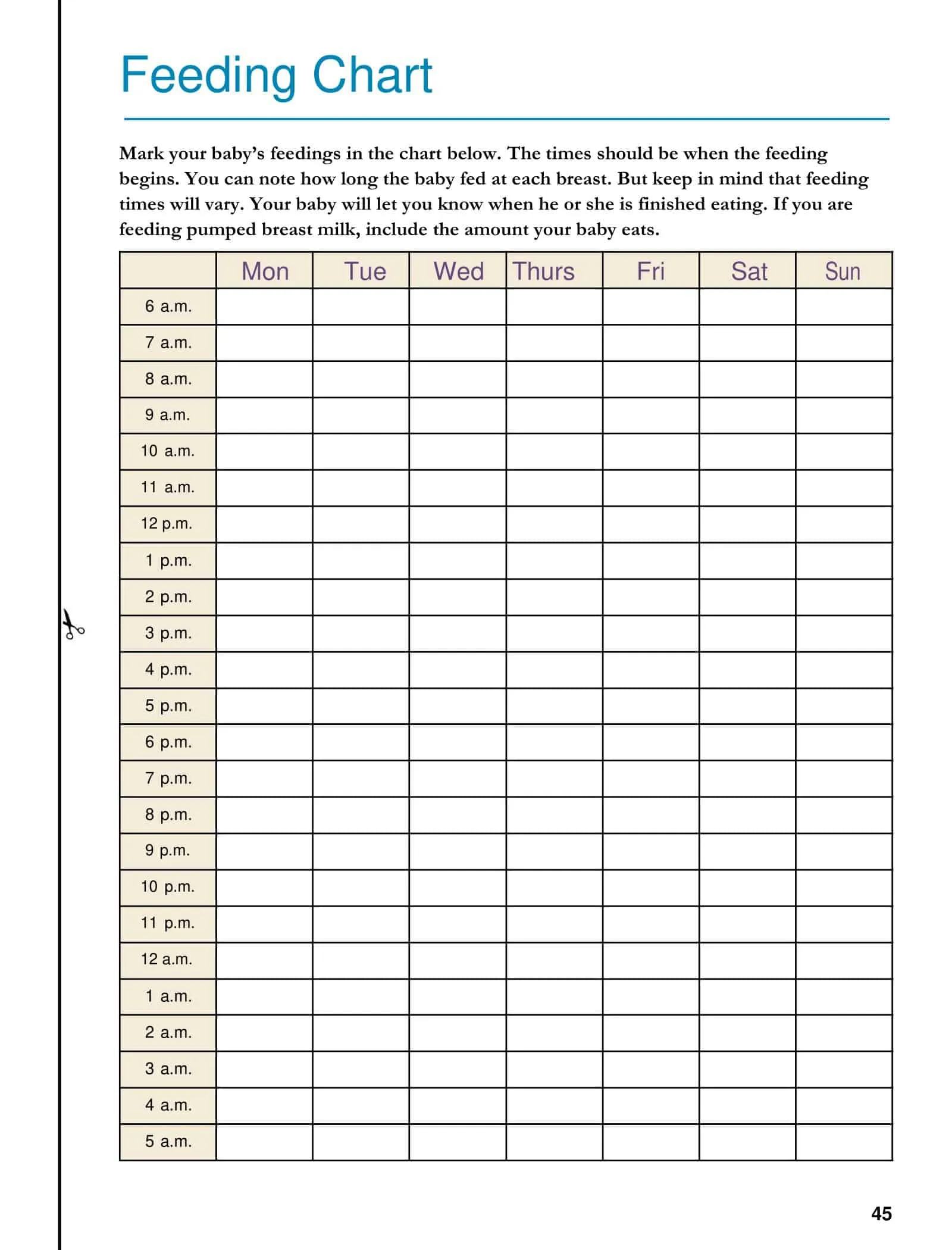
Why Use an Infant Feeding Chart?
An infant feeding chart serves as a practical tool to track your baby’s feeding schedule and amounts. This is especially useful for parents who are navigating breastfeeding, formula feeding, or introducing solids. By using a chart, you can:
- Monitor feeding frequency and duration.
- Keep track of the amounts consumed, especially if you’re bottle-feeding.
- Note any reactions to new foods when introducing solids.
- Share detailed information with your pediatrician during check-ups.
Having this information at your fingertips can help you feel more in control and confident in your parenting journey.
How to Set Up Your Infant Feeding Chart
Setting up your Free Printable Infant Feeding Chart is straightforward. Here’s how to get started:
- Download the Chart: Find a template that suits your needs. Look for a clean design that includes sections for date, time, type of feeding (breast, bottle, or solids), and amount.
- Print the Chart: Use standard letter-sized paper (8.5 x 11 inches) for easy printing. Consider using cardstock if you want something more durable, especially if you plan to use it regularly.
- Gather Your Supplies: Grab a pen or pencil, and if you’re using a digital version, ensure you have a PDF reader or editing tool handy.
- Fill It In: Start tracking feedings. Enter the date and time of each feeding, the type of feeding, and the amount consumed. If you’re breastfeeding, you might also want to note which side you fed from to keep things balanced.
- Review Regularly: Set aside time each week to review the chart. This will help you identify any patterns or changes in your baby’s feeding habits.
Key Elements to Include in Your Feeding Chart
To maximize the effectiveness of your Free Printable Infant Feeding Chart, ensure it includes these key elements:
- Date and Time: Record the exact time of each feeding to establish a routine.
- Type of Feeding: Clearly mark whether it was breast milk, formula, or solid food.
- Amount: For bottle-fed babies, note the exact ounces consumed. For solids, you can use portions (like tablespoons).
- Notes Section: A small area for any observations, such as reactions to new foods or changes in appetite.
Tips for Effective Use of Your Infant Feeding Chart
Using your infant feeding chart effectively can make a significant difference. Here are some tips:
- Be Consistent: Fill out the chart after each feeding. It’s easier to remember details right after they happen.
- Use Different Colors: If you’re tracking multiple caregivers, consider using different colored pens to indicate who fed the baby. This can help avoid confusion.
- Stay Flexible: Babies’ feeding needs can change frequently. Don’t stress if your chart looks different from week to week.
- Incorporate It Into Your Routine: Attach the chart to your fridge or keep it in your baby’s feeding area. This makes it easy to grab and fill out during feedings.
Common Challenges and How to Overcome Them
Tracking an infant’s feeding can come with its share of challenges. Here are a few common hurdles and how to handle them:
- Forgetfulness: It’s easy to forget to fill out the chart amidst the chaos of parenting. Set reminders on your phone or use sticky notes in visible areas to prompt you.
- Multiple Feeders: If multiple people are involved in feeding your baby, make sure everyone understands how to use the chart. A brief training session can go a long way.
- Changing Routines: As your baby grows, their feeding needs will change. Stay adaptable and adjust the chart as needed to reflect new feeding schedules or types of food.
Transitioning to Solid Foods
Once you start introducing solids, your Free Printable Infant Feeding Chart can help you keep track of how your baby is adjusting. Here’s how to modify your chart for solids:
- Add New Columns: Include sections for new food items, reactions, and any allergy symptoms.
- Track Introductions: Note the first time your baby tries a new food. It’s a great way to remember what they liked or disliked.
- Monitoring Reactions: If your baby shows any signs of allergies or sensitivities, having a detailed record can be beneficial for discussions with your pediatrician.
Where to Find Printable Infant Feeding Charts
You can find a variety of Free Printable Infant Feeding Charts online. Here are some tips for choosing the right one:
- Look for Customizability: Some charts allow you to add your own sections or notes, which can be very helpful.
- Check for User Reviews: If possible, see what other parents say about the chart you’re considering.
- Consider Layout: A chart that’s easy to read and fill out will be more effective. Look for a layout that fits well on your fridge or in your baby’s feeding area.
Keeping Your Chart Organized
Once you start using your chart, keeping it organized will help you get the most benefit. Here are a few ways to maintain order:
- Regularly Update: Make it a habit to update your chart daily, or even after each feeding. This will prevent any backlogs.
- Use a Binder: If you have multiple charts (for different children, for example), consider using a binder to keep everything in one place.
- Archive Old Charts: After a few months, consider archiving old charts. This can help you see growth over time while keeping your current chart uncluttered.