Managing your blood glucose levels can feel overwhelming, but using a Blood Glucose Level Chart Printable can simplify the process significantly. This handy tool helps you track your readings, recognize patterns, and manage your diabetes more effectively. In this article, I’ll break down how to best utilize this chart, the differences between digital and printed formats, and practical tips for incorporating it into your daily routine.
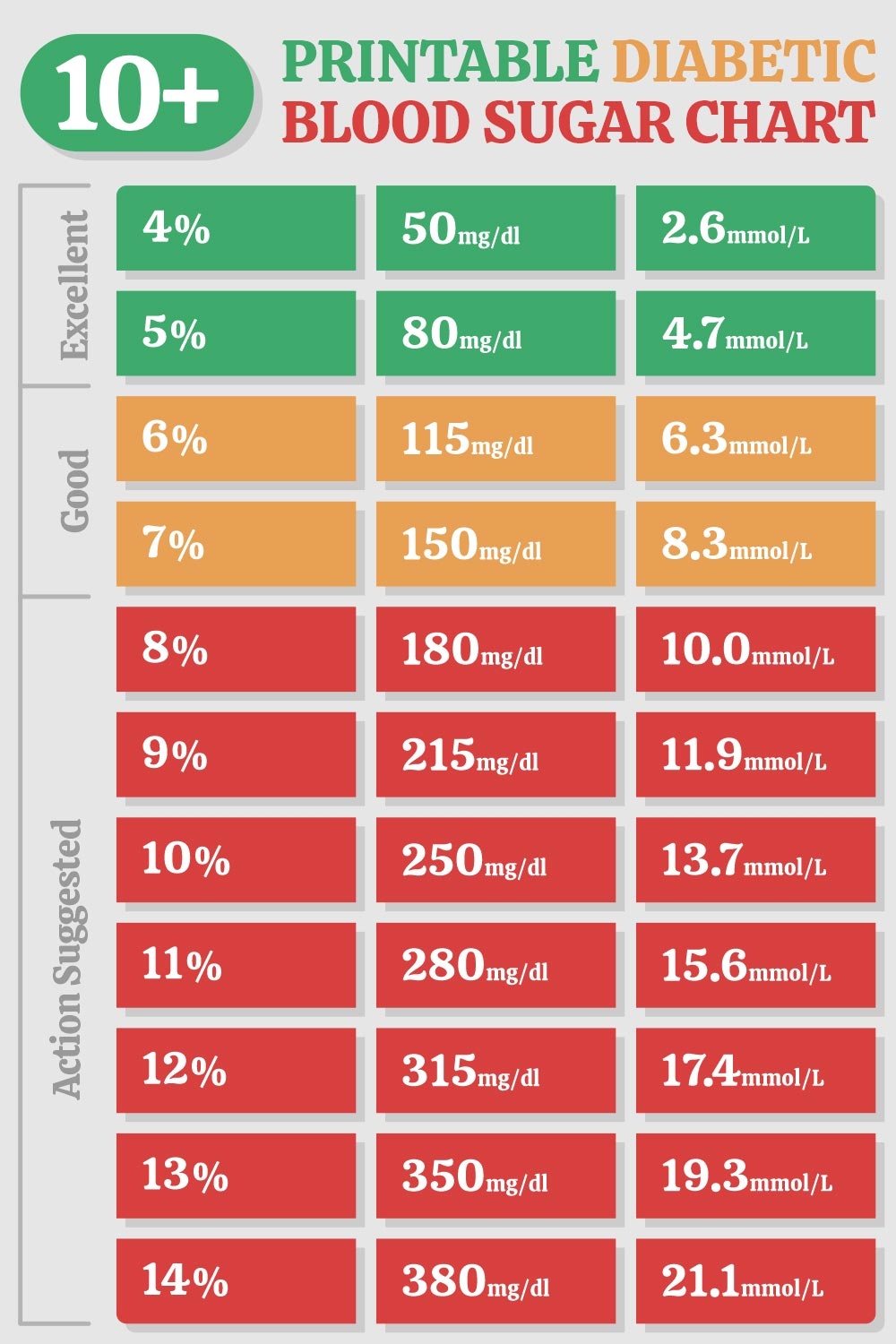
Understanding the Blood Glucose Level Chart
A Blood Glucose Level Chart is designed to help you log your glucose readings over time. Typically, the chart includes space for the date, time, glucose level, and any notes about your meals, medications, or physical activities. This information can be invaluable for both you and your healthcare provider, as it provides a clear picture of your blood sugar trends.
When filling out the chart, you’ll record your glucose levels at various times throughout the day, such as before and after meals. This helps you understand how different foods and activities affect your blood sugar. You may also want to include any relevant notes, like whether you exercised or took your medication.
Digital Vs. Printable: Which Format Is Best?
When it comes to using a Blood Glucose Level Chart, you have two main options: a digital version or a printable one. Each has its pros and cons, so let’s look at what might work best for you.
Digital Charts
Digital charts are often available in fillable PDF formats or as apps. They allow for easy data entry, automatic calculations, and often come with additional features like graphs to visualize trends. If you prefer to track your glucose levels on a device, this option may be ideal. You can also easily share your data with healthcare providers via email or sync it with other health apps.
However, digital formats require access to a computer or smartphone, which might not always be convenient. Plus, some people find that they prefer writing things down by hand, as it can help with memory retention.
Printable Charts
A Blood Glucose Level Chart Printable, on the other hand, is ready to use once you download and print it. This format allows for a tactile experience, which can be beneficial for some users. You can place it on your refrigerator or in a planner, making it easy to access.
Printing your chart also allows for customization; you can choose to print multiple copies or modify the layout to better suit your needs. Just keep in mind that you’ll need to have a reliable printer and enough ink and paper on hand to keep your charts updated.
How to Effectively Use Your Blood Glucose Level Chart
Now that you’ve decided on the format, here are some practical tips for using your Blood Glucose Level Chart effectively.
Consistency is Key
Make it a habit to check your blood glucose levels at the same times each day. This consistency will help you gather accurate data over time. Whether you choose to check your levels first thing in the morning, before meals, or before bed, stick to a routine that works for you.
Record All Relevant Information
When filling out the chart, don’t just note your blood glucose readings. Include information about what you ate, any medications you took, and your overall mood or energy levels. This context can help you identify patterns and triggers in your readings, making it easier to adjust your diet or medication as needed.
Regularly Review Your Data
Set aside time each week to review your chart. Look for trends in your blood glucose levels. Are there specific foods that cause spikes? Do certain activities help lower your levels? This analysis can be crucial for managing your health and discussing your findings with your healthcare provider.
Where to Find and Download Your Chart
You can find a Blood Glucose Level Chart Printable on various health-focused websites, including those dedicated to diabetes management. These charts are often available for free, making them accessible for anyone looking to take control of their health.
When searching for a chart, look for one that is clearly designed and easy to read. It should have enough space for you to log your readings comfortably. Some websites may even offer customizable templates, allowing you to tailor the chart to your preferences.
Tips for Printing and Using Your Chart
Once you’ve downloaded your Blood Glucose Level Chart Printable, here are some tips for printing and using it effectively.
Choose the Right Paper
Using quality paper can make a difference in how your chart holds up over time. Regular printer paper is fine for casual use, but if you plan to laminate your chart or want it to withstand wear and tear, consider using cardstock. This thicker paper is more durable and can handle frequent handling.
Optimal Print Settings
When printing, ensure your printer settings are optimized for clarity. Use the highest quality print settings to ensure that all text and lines are sharp and easy to read. If you’re printing in color, check that your color settings are correct so that any color coding you’ve added to the chart is visible.
Consider Lamination
If you prefer to track your glucose levels with a dry-erase marker, consider laminating your chart. This allows you to wipe it clean and reuse it daily without wasting paper. Just make sure to use non-permanent markers that can be easily erased.
Keep It Accessible
Place your completed chart somewhere you can easily access it. Whether it’s on your fridge, in your planner, or next to your diabetes testing supplies, keeping it visible encourages you to use it regularly.
Incorporating the Chart Into Your Routine
Integrating your Blood Glucose Level Chart into your daily routine can enhance your diabetes management. Here’s how you can make it a seamless part of your day.
Morning Routine
Consider checking and recording your blood glucose level as part of your morning routine. This could be right after you wake up, before breakfast. Making it a habit in the morning will help you remember to log your levels consistently.
Meal Planning
After meals, take a moment to check and record your blood glucose levels. This not only helps you track how food impacts your readings but also gives you a chance to reflect on your meal choices. Over time, you may find it beneficial to adjust your diet based on the insights gained from your chart.
Regular Check-Ins
Schedule regular check-ins with yourself. Whether it’s once a week or once a month, review your chart and note any patterns or observations. This practice can help you stay proactive about your health and make adjustments as needed.