Using a Free Printable Good Behavior Chart can make a significant difference in how your child understands and practices good behavior. This resource is designed to help parents like you create a structured approach to encourage positive actions and discourage negative ones. If you are a seasoned parent or new to this, a good behavior chart can be an effective tool in your parenting toolkit.
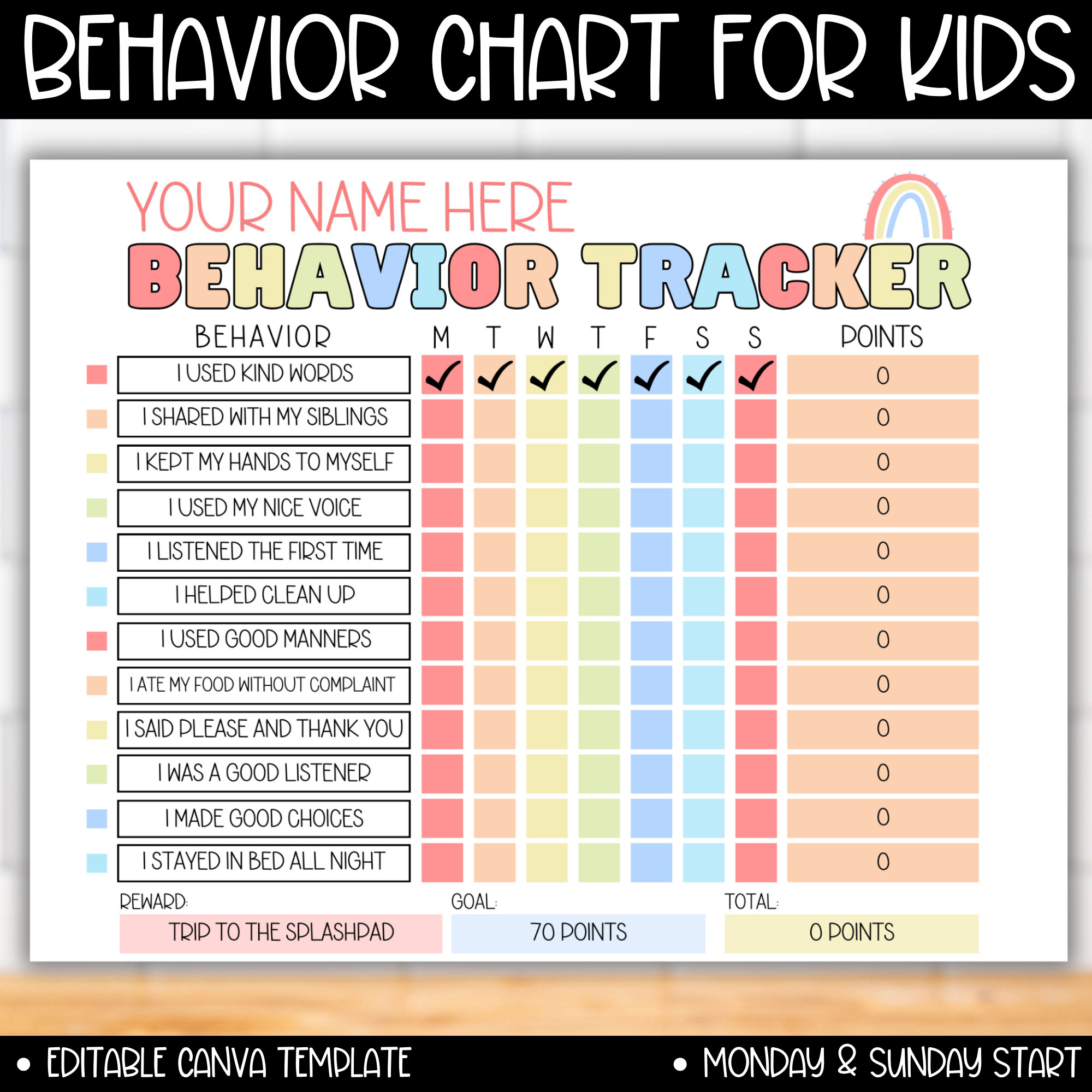
What is a Good Behavior Chart?
A Good Behavior Chart is a visual tool that tracks your child’s behavior over a set period, usually a week or a month. You can use it to reward positive behaviors, such as sharing, listening, or completing chores. Kids often respond well to visual incentives, making these charts particularly effective.
By using a Free Printable Good Behavior Chart, you can easily customize the chart to suit your child’s specific needs and your family’s values. This chart can help reinforce good habits and create a routine that your child can understand and follow.
When and Why to Use a Good Behavior Chart
You might wonder when to implement a Good Behavior Chart. It works best during transitional phases, like starting school, moving to a new home, or even during holidays when routines can be disrupted. The chart helps establish expectations and gives your child a clear understanding of what behaviors you want to see.
Using a behavior chart can also be beneficial in addressing specific behaviors. For instance, if your child struggles with completing homework or chores, you can create a chart that specifically rewards those activities. This focused approach allows you to guide your child in a structured manner.
How to Fill Out Your Good Behavior Chart
Filling out a Good Behavior Chart is straightforward. Here’s a step-by-step guide to help you get started:
- Identify Desired Behaviors: Start by listing the behaviors you want to encourage. Common examples include:
- Listening when spoken to
- Completing chores without reminders
- Sharing toys with siblings
- Choose a Reward System: Decide on rewards for achieving certain milestones. It could be stickers, extra screen time, or a special outing. Make sure the rewards are motivating for your child.
- Set a Time Frame: Determine how long you want to use the chart. For younger children, a week might be ideal, while older children might benefit from a monthly chart.
- Create the Chart: Use a Free Printable Good Behavior Chart template. You can find various designs online that allow you to print and fill in the specifics.
- Track Progress: As your child demonstrates the desired behaviors, mark them on the chart. You might use stickers or checkmarks to indicate success.
- Review Together: At the end of the charting period, sit down with your child to review their progress. Discuss what they did well and areas for improvement. This reflection helps reinforce the behaviors you want to see.
Presentation and Printing Tips
When printing your Good Behavior Chart, presentation matters. Here are some tips to ensure it looks great:
- Paper Quality: Use cardstock for durability, especially if your child will be marking it up frequently. Cardstock holds up better than regular printer paper and is less likely to tear.
- Print Settings: For best results, choose a high-quality print setting. If using a color printer, make sure the colors are vivid and the text is clear.
- Size Matters: Standard sizes like 8.5″x11″ work well for most printers and are easy to hang up in your child’s room or a common area.
- Lamination: Consider laminating the chart if you plan to use it multiple times. This allows you to write on it with dry-erase markers and wipe it clean for reuse.
Adapting the Chart for Different Ages
The beauty of a Good Behavior Chart is its adaptability. You can tailor it to fit your child’s developmental stage.
- Toddlers: Use simple charts with visual elements, like smiley faces or stickers. At this age, they respond well to immediate, tangible rewards.
- Preschoolers: Incorporate basic tasks, like putting toys away or brushing teeth. You can also add fun themes to keep them engaged, like animals or superheroes.
- School-Aged Children: Introduce more complex behaviors, such as completing homework on time or helping with chores. You can also allow them to choose their rewards, increasing their investment in the process.
- Tweens and Teens: At this stage, the chart can shift towards personal responsibility. For example, you might track behaviors like maintaining a tidy room or managing screen time. Make it a collaborative process to give them ownership.
Tips for Success With Your Good Behavior Chart
To get the most from your Free Printable Good Behavior Chart, consider these strategies:
- Consistency is Key: Regularly review the chart and discuss progress with your child. Consistent feedback reinforces their efforts.
- Stay Positive: Focus on positive reinforcement rather than punishment. Celebrate small victories to keep your child motivated.
- Adjust as Needed: If you notice certain behaviors are not improving, re-evaluate and adjust the chart. It’s important to keep it relevant to your child’s needs.
- Make it Fun: Personalize the chart with your child’s favorite colors or characters. The more they feel involved, the more likely they are to engage with it.
Where to Find Free Printable Good Behavior Charts
You can find a variety of Free Printable Good Behavior Charts online. Look for resources that offer customizable templates you can easily download and print. Websites focused on parenting resources often have a selection tailored for different age groups and needs.
When choosing a chart, ensure it aligns with your family’s goals and your child’s personality. Whether you prefer a simple design or something more colorful, there’s a chart out there for you.
Next Steps
Once you have your Free Printable Good Behavior Chart ready, the next step is to introduce it to your child. Explain how it works and what behaviors you will be tracking. Make this a fun and exciting moment, and encourage them to share their thoughts about the chart.
Get ready to watch your child thrive as they learn the value of good behavior, and enjoy the journey together as you reinforce positive habits.