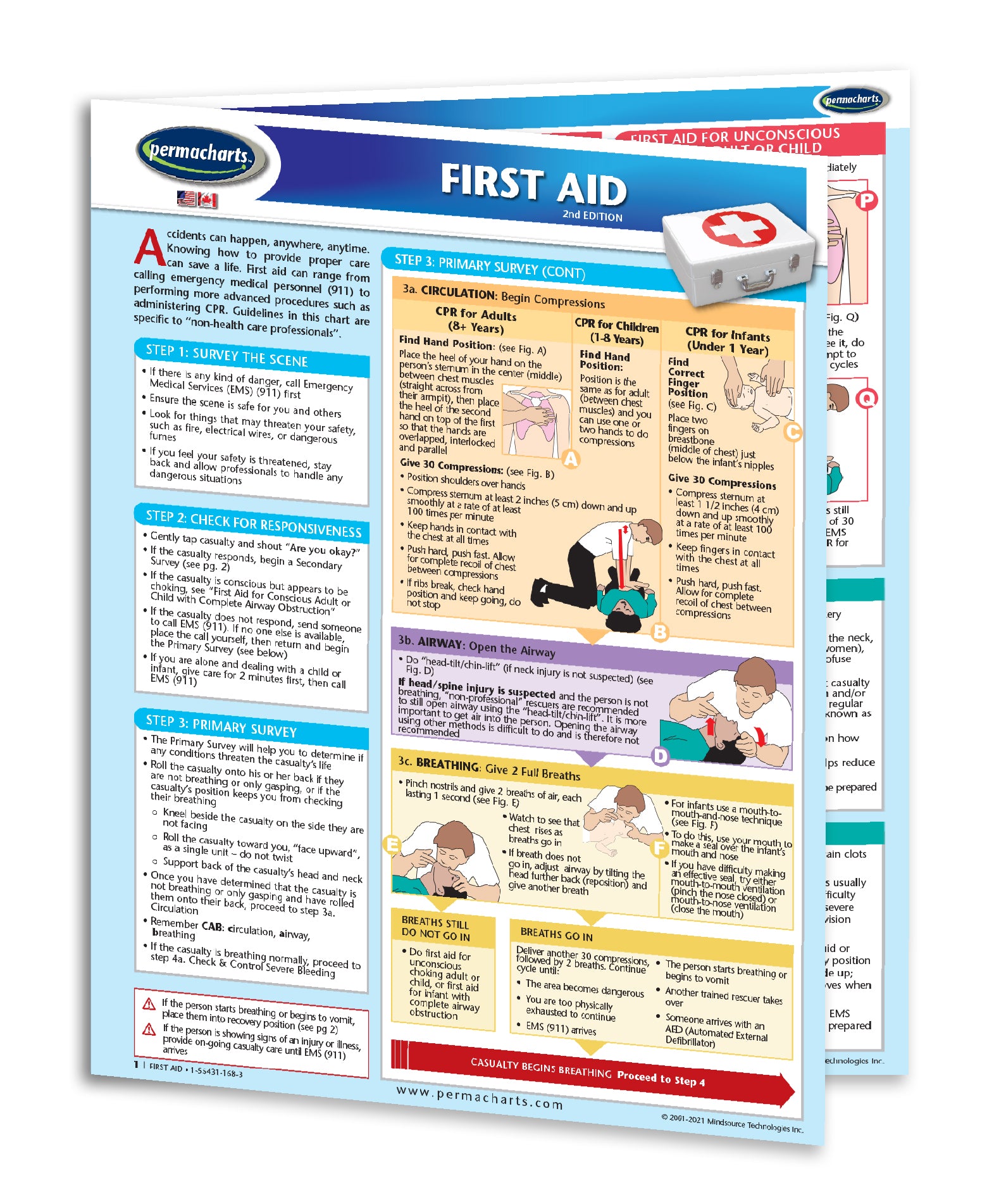
When it comes to handling emergencies, having a reliable resource at your fingertips is crucial. A Free Printable First Aid Chart is an excellent tool to ensure you and your loved ones can respond effectively in critical situations. This chart provides essential information about first aid procedures, making it easier for you to act quickly and confidently when needed.
Understanding the Layout of the First Aid Chart
The Free Printable First Aid Chart typically includes a variety of sections that cover different emergency scenarios. Here’s what you can usually expect to find:
- Basic First Aid Procedures: This section outlines the steps to take for common injuries like cuts, burns, and sprains.
- CPR Instructions: Clear guidelines on how to perform CPR, including the compression-to-breath ratio and hand placement.
- Choking Relief Techniques: Instructions on how to help someone who is choking, tailored for both adults and children.
- Burn Treatment: Detailed steps on how to treat different types of burns, including sunburns and chemical burns.
- Signs of Stroke: Quick reference for recognizing the symptoms of a stroke using the FAST acronym (Face, Arms, Speech, Time).
This layout helps you quickly locate the information you need during a crisis. Each section is typically organized with bullet points or numbered steps for easy reading. When printing, ensure you select a size that fits well in your intended space, whether that’s on a wall, in a first aid kit, or on your refrigerator.
Choosing the Right Format for Your Needs
When downloading the Free Printable First Aid Chart, you’ll likely encounter a few different formats. Each has its benefits:
- PDF Format: This is often the best choice for printing. PDFs maintain their formatting across devices, meaning the chart will look the same regardless of where you view it.
- JPEG or PNG Images: These formats may be quicker to download, but they can sometimes lead to distortion if resized incorrectly. Use these formats if you’re planning to display the chart digitally.
- Editable Documents: Some resources may offer editable formats like Word or Google Docs. This allows you to customize the chart to suit your specific needs or add personal notes.
Consider your primary use case when choosing a format. If you want a hard copy to keep in your first aid kit, a PDF is typically the best option. If you prefer a digital version for easy access on your phone, an image format may work better.
Printing Tips for Your First Aid Chart
When you’re ready to print your Free Printable First Aid Chart, keep these tips in mind to ensure the best results:
- Paper Size: Standard letter size (8.5 x 11 inches) works well for most charts. If you need something larger, look for options that fit legal paper (8.5 x 14 inches) or even poster sizes.
- Quality: Use good-quality paper if you want the chart to last. Cardstock is a great choice for durability, especially if you plan to laminate it later.
- Color vs. Black and White: Color prints are often easier to read and more visually engaging, but they can use a lot of ink. If you’re looking to save money, a black and white version can still be effective.
- Printer Settings: Set your printer to the highest quality for the best results. Ensure that your margins are set correctly so that no important information gets cut off during printing.
By following these tips, you can create a clear and accessible first aid reference that will be helpful in emergencies.
Where to Display Your First Aid Chart
Once printed, the next step is to ensure that your Free Printable First Aid Chart is easily accessible when needed. Consider the following locations:
- Kitchen: This is often the heart of the home where minor accidents can happen. A chart displayed prominently on the fridge or a nearby wall can be very handy.
- Home Office: If you have a workspace at home, keeping a chart nearby can be helpful for quick reference during minor injuries that might occur while working.
- First Aid Kit: If you have a specific kit for emergencies, include a copy of your chart inside. This ensures it’s always with your first aid supplies.
- School or Daycare: If you’re a caregiver or teacher, post the chart in the classroom or daycare area where it can be easily referenced by staff.
The key is to place the chart where it will be most needed. Visibility is crucial, as you want to ensure that anyone can find it quickly during an emergency.
Common Mistakes to Avoid
Even with the best intentions, mistakes can happen when it comes to using a first aid chart. Here are some common pitfalls to avoid:
- Ignoring Updates: First aid guidelines can change as new research emerges. Make sure to periodically check if your chart needs updating or if a new version is available.
- Not Practicing: Having the chart is helpful, but knowing how to apply the information is key. Consider practicing CPR or choking relief techniques regularly to ensure you feel confident applying them.
- Placement Errors: Ensure that the chart is in a logical place where everyone in your household or workplace knows to look. If it’s tucked away in a drawer, it won’t be effective when you need it most.
By avoiding these common mistakes, you can ensure that your first aid chart remains a valuable part of your emergency preparedness.
Taking Action: Your Next Steps
Now that you understand the importance of the Free Printable First Aid Chart and how to effectively use it, take action today. Download the chart that best fits your needs, print it out, and find the ideal spot to display it.
To make the most of this resource, consider gathering your family or housemates to review the chart together. Discuss the steps for various emergencies so that everyone knows what to do in a crisis. This proactive approach can make all the difference in a real emergency, helping you feel more prepared and confident when it counts.