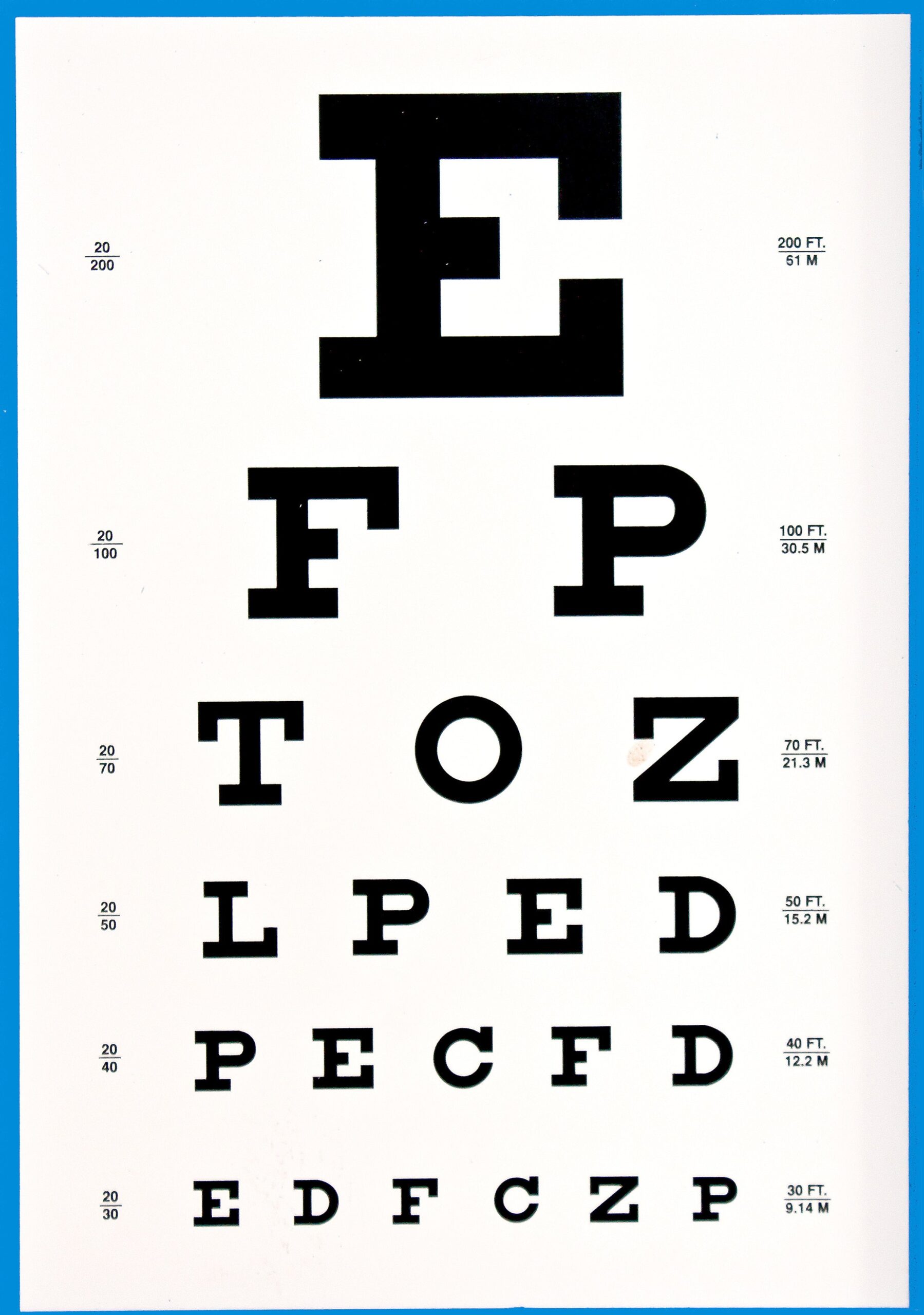
The Printable Reading Glasses Eye Chart is a handy tool designed to help you monitor your family’s vision at home. This resource, often available in PDF format, typically features letters of various sizes that allow both adults and children to assess their eyesight. If you are preparing for an eye exam or just keeping track of changes in vision, having a reliable eye chart on hand can make all the difference.
Understanding the Layout of the Eye Chart
When you first download your Printable Reading Glasses Eye Chart, you’ll notice the layout is designed for clear visibility. Most charts are structured in a portrait orientation, which is ideal for standard home printers. Each line of letters decreases in size from top to bottom, making it easy to test visual acuity step by step.
The top line usually includes the largest letters, which are often capitalized and can be read from a distance of 20 feet. Below that, the letters get progressively smaller. It’s important to ensure that the chart is printed at 100% scale to maintain accuracy. Double-check your printer settings to avoid any scaling options that might distort the letters.
How to Use the Eye Chart Effectively
Using the Printable Reading Glasses Eye Chart is straightforward, but there are some best practices to follow. Start by placing the chart on a flat surface or hanging it on a wall at eye level. Ensure that the room is well-lit to help improve visibility.
- Distance: The standard distance for reading the chart is 20 feet. If you can’t achieve this distance indoors, you can adjust the size of the chart for closer viewing.
- Cover One Eye: Begin by covering one eye with your palm or a cloth, ensuring that the covered eye is completely blocked from view. This helps to isolate each eye’s performance.
- Start from the Top: Read down the chart, starting from the top line. If you can read a line clearly, move to the next smaller line until you reach the smallest letters you can see comfortably.
- Record Results: It may be helpful to keep a log of your readings. Note the smallest line that you can read with each eye. This will help you track any changes in vision over time.
Tracking Progress Over Time
One of the most useful aspects of using a Printable Reading Glasses Eye Chart is the ability to track vision changes over time. By maintaining a consistent record of your family’s results, you can identify patterns or declines in vision that may require professional attention.
Consider setting a schedule for regular checks—perhaps once a month or every few months. This can be especially beneficial for children, whose eyesight may change rapidly as they grow. When you notice significant changes, it might be time to consult with an eye care professional.
Tips for Keeping Track
- Create a Log Sheet: You can design a simple log sheet to write down the date, the eye tested, and the smallest line read. This can be a quick reference for future appointments with an optometrist.
- Use Different Lighting: Test vision in different lighting conditions to see how it affects readability. This can be particularly useful if you suspect light sensitivity.
- Involve the Kids: Make it a fun activity for children. Encourage them to take turns reading the chart, and reward them for their participation to make it engaging.
Printable Formats and Availability
You can find Printable Reading Glasses Eye Charts in several formats, with PDF being the most common due to its ease of downloading and printing. Ensure that the version you choose is designed for home use, as some professional charts may include additional specifications that are not necessary for personal tracking.
When downloading, look for charts that specify:
- Clear Visibility: Check that the letters are bold and clear.
- Size Options: Some charts may come in various sizes, which is helpful if you have limited space for printing.
- User Instructions: Some downloadable resources include guidelines on how to conduct the eye test properly, which can be beneficial for those unfamiliar with the process.