Having a Printable Eye Chart For Vision Test at home can be a smart way to monitor your family’s vision. If you are concerned about your child’s eyesight or just want a quick check for yourself, a printable eye chart makes it easy to assess vision in a comfortable, familiar environment. This guide will walk you through everything you need to know about using and understanding an eye chart effectively.
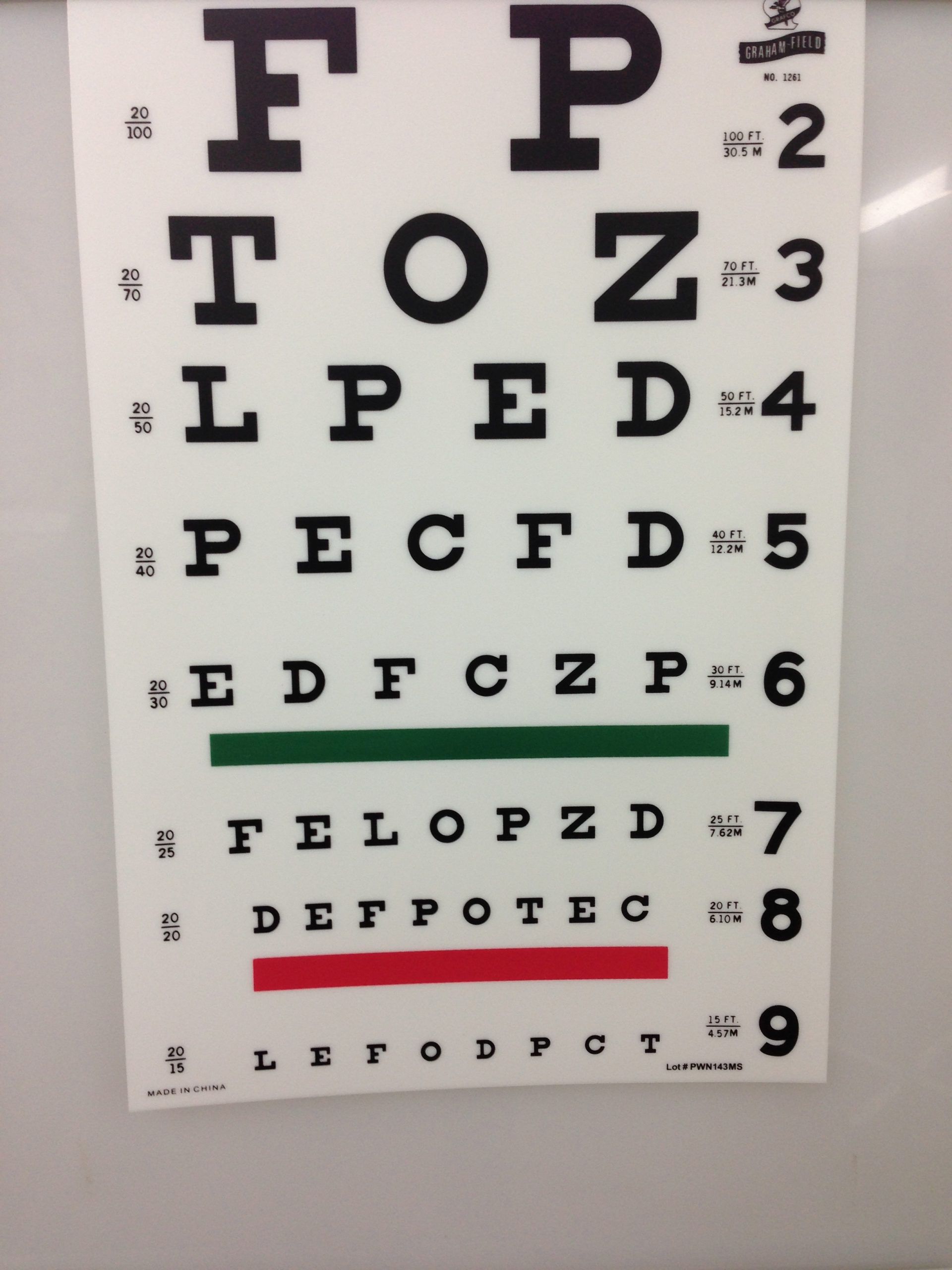
Understanding the Eye Chart
An eye chart is a standardized tool used to measure visual acuity. Typically, they feature letters or symbols of varying sizes. The most common type is the Snellen chart, which has rows of letters that decrease in size. The chart helps determine how well a person can see at a distance.
When using a printable eye chart, you can quickly assess whether someone might need to see an eye care professional. It’s essential to understand how to read the results. Each line on the chart corresponds to a specific visual acuity level, often represented as a fraction (e.g., 20/20 vision).
How to Use a Printable Eye Chart
Using a printable eye chart is straightforward, but there are a few steps to ensure you get accurate results:
- Print the Chart: Download and print the eye chart on a standard-sized paper (preferably A4 or Letter). Make sure to print at 100% scale to maintain the correct dimensions.
- Choose the Right Location: Hang the chart on a wall where there is good lighting. The chart should be at eye level for the person taking the test.
- Distance Matters: Position the person standing exactly 20 feet away from the chart. If you don’t have a large space, you can scale down the measurements. For example, if you’re using a smaller chart, standing 10 feet away is acceptable, but you’ll need to adjust the expected results accordingly.
- Cover One Eye: Have the person cover one eye (using an eye patch or their hand) and read the smallest line they can see clearly. Then, repeat the process with the other eye.
- Record the Results: Note which line they could read correctly. This will help you gauge their visual acuity.
What to Prepare Before the Test
Before conducting the vision test, it’s helpful to have the following ready:
- A Quiet Environment: Minimize distractions during the test for better focus.
- Good Lighting: Ensure the area is well-lit, as poor lighting can affect vision clarity.
- A Measuring Tape (Optional): If you want to be precise, you can measure the distance from the chart to where the person will stand.
Common Misconceptions About Eye Charts
There are a few common misconceptions surrounding eye charts and vision tests:
- Home Tests are Comprehensive: While a printable eye chart provides a quick assessment, it’s not a substitute for a professional eye exam. Regular check-ups with an optometrist are essential for overall eye health.
- All Eye Charts are the Same: Different eye charts may have varying designs or symbols. Some charts use letters, while others use shapes or pictures, particularly for children or non-readers.
Adapting the Eye Chart for Different Needs
If you’re printing an eye chart for children or specific groups, consider these adaptations:
- Using Pictures: For young children who can’t read, look for eye charts that feature images instead of letters. This makes the test more engaging and easier to understand.
- Color Vision Tests: Some charts also include color vision tests for detecting color blindness. If you’re interested in this, look for printable eye charts that incorporate these features.
Maintenance and Care of Your Eye Chart
After printing your eye chart, here’s how to ensure it lasts:
- Use Cardstock: Printing on heavier paper can make the chart more durable, especially if it’s going to be handled frequently.
- Lamination: Consider laminating the chart for added protection. This way, you can use a dry-erase marker to mark results and wipe them off for future tests.
- Check for Damage: Regularly inspect your eye chart for tears or smudges. A clear chart is essential for an accurate assessment.
When to Seek Professional Help
If your test results indicate that someone is struggling to read the chart, it may be time to consult an eye care professional. Signs that warrant a visit include:
- Consistent difficulty seeing objects at a distance
- Frequent headaches or eye strain
- Squinting or closing one eye to see better
Taking these signs seriously can help in addressing any potential vision issues early on.