Understanding the Bible can feel overwhelming. With so many stories, characters, and timelines, it’s easy to get lost in the details. That’s where a Printable Chronological Order Of The Bible Chart comes in handy. This chart helps you visualize the sequence of biblical events, making it simpler to teach your children or even use in a church study group. Let’s explore how to effectively use this resource, making your learning and teaching experience far more engaging and organized.
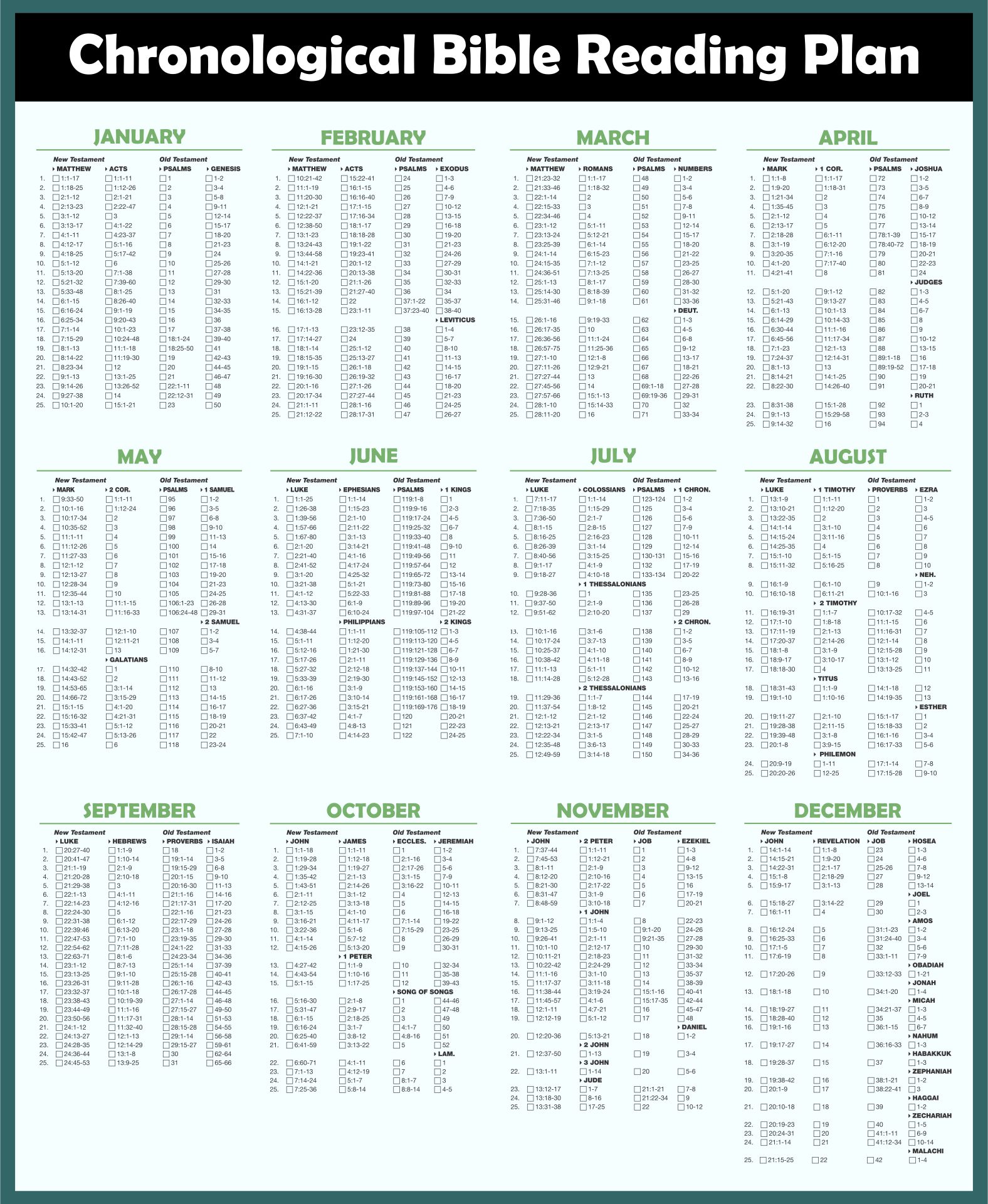
Why Use a Chronological Order Chart?
A chronological order chart serves a specific purpose: it lays out biblical events in the order they occurred. This can be particularly beneficial for several reasons:
- Clarity: It helps simplify the complex timeline of biblical events.
- Engagement: Kids and adults alike can better connect with stories when they see how they fit into a larger narrative.
- Teaching Tool: It’s an excellent resource for homeschooling or Sunday School classes.
By using this chart, you’ll find that discussions about the Bible become more meaningful, as everyone can refer back to the timeline and better understand the context of each event.
Choosing the Right Printable Chart
When searching for a Printable Chronological Order Of The Bible Chart, consider the following aspects:
- Design: Look for a chart that is visually appealing and easy to read. A clear layout helps with understanding.
- Content: Ensure the chart covers major events and figures from both the Old and New Testaments.
- Age Appropriateness: Some charts are designed for kids, while others may suit older students or adults better. Choose one that fits your audience.
Once you have selected the right chart, it’s time to download and print it. Most resources will provide a PDF version, which is usually the easiest to work with to avoid formatting issues.
Downloading and Printing Your Chart
Downloading and printing your chart is straightforward:
- Download the PDF: Click on the download link provided. Most charts will be in PDF format for easy printing.
- Check Settings: Before printing, check your printer settings. Make sure it’s set to print in portrait mode, as this usually works best for charts.
- Paper Size: Use standard letter size (8.5 x 11 inches) or A4 paper. If you’re using a larger chart, ensure your printer can accommodate that size.
- Print: Click print and wait for your chart to be ready.
Keep in mind that printing on heavier paper or cardstock can increase durability, especially if you plan to use the chart repeatedly.
Setting Up Your Chart for Use
Once printed, it’s time to set up your chart:
- Display Option: Hang it on a wall in your classroom or home for easy reference. You could also frame it to keep it safe.
- Interactive Learning: Consider using it as a learning tool. You can write on it with dry-erase markers to highlight specific events during a lesson.
- Group Discussions: Use the chart during group Bible studies. It can serve as a focal point for discussions, making it easier to reference various events.
Enhancing Learning With the Chart
The Printable Chronological Order Of The Bible Chart is not just a static resource; it can be actively used to enhance learning:
- Story Connections: Encourage your children to connect different stories by pointing out their relationships on the chart. For instance, how does the story of David relate to that of Solomon?
- Memory Games: Create memory games using the events listed on the chart. You can make flashcards and have the kids place them in the correct order.
- Timeline Projects: For older kids, consider having them create a more detailed timeline based on the chart. This can include key figures, dates, and relevant scripture references.
Common Mistakes When Using the Chart
As with any resource, there are pitfalls to avoid:
- Overloading Information: Don’t try to include every detail from the Bible on the chart. Stick to major events to keep it clear and useful.
- Ignoring the Audience: Make sure the chart is suitable for the age group you’re teaching. Too much detail can confuse younger learners.
- Neglecting Updates: If your chart is from an older resource, consider looking for a more current version. New insights and interpretations can enhance your understanding.