Monitoring your blood pressure is essential for maintaining your overall health, particularly if you have hypertension or other related conditions. A Printable Chart For Blood Pressure can be an invaluable resource in this process. It allows you to track your readings over time, identify patterns, and share this information with your healthcare provider. In this article, we’ll explore how to use a blood pressure chart effectively, the benefits of tracking your readings, and tips for downloading and printing your chart.
Understanding the Printable Blood Pressure Chart
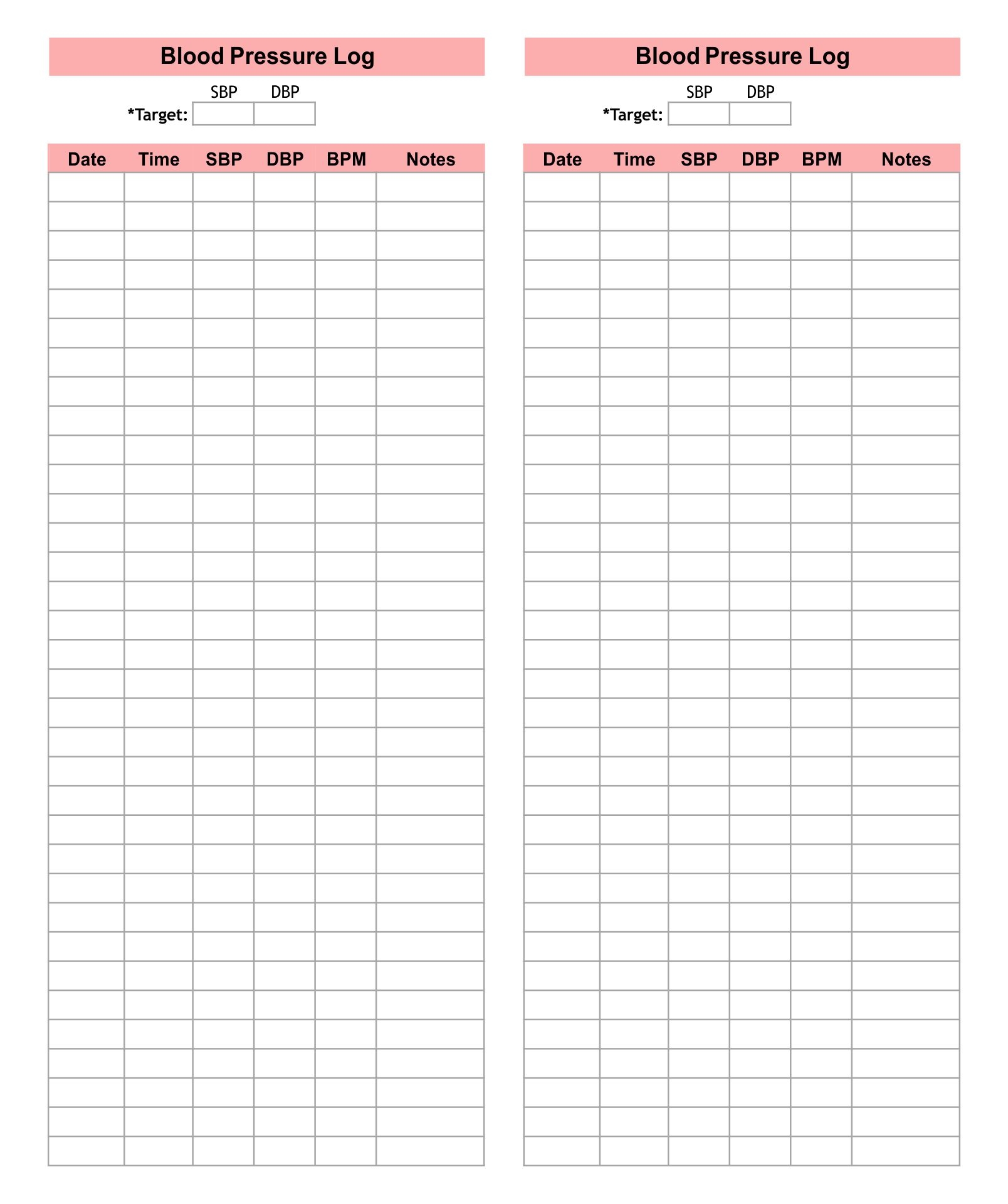
A Printable Chart For Blood Pressure typically includes columns for the date, time, systolic pressure, diastolic pressure, and any notes you might want to add. The systolic pressure is the top number, indicating the pressure in your arteries when your heart beats, while the diastolic pressure is the bottom number, representing the pressure when your heart is at rest between beats.
By filling out this chart regularly, you can create a comprehensive view of your blood pressure trends. This can help you notice whether your readings are consistently high, low, or varying significantly, which is crucial for effective management.
How to Download and Print Your Chart
When it comes to obtaining your Printable Chart For Blood Pressure, you have a couple of options. You can typically download a PDF version from various health websites or printable resource platforms. PDFs are often the best choice because they maintain formatting across devices, ensuring that you can print without any layout issues.
To download your chart:
- Find a reputable website that offers a blood pressure tracking chart.
- Look for the download button, often labeled as “Download PDF” or “Printable Version.”
- Click the button and save the file to your device.
Once downloaded, open the PDF using a compatible program like Adobe Reader. Before printing, ensure that your printer settings are adjusted correctly. Portrait layout usually works best, and if you want a sturdier chart, consider using cardstock.
Filling Out the Chart: Tips and Best Practices
You might wonder whether to fill in the chart digitally or by hand. Both methods have their advantages. If you prefer filling out the chart digitally, make sure you’re using a fillable PDF version. This allows for easy adjustments and prevents any potential mess from handwritten entries. On the other hand, printing the chart and filling it out by hand can make the process feel more personal and tangible.
Here are some practical tips for filling out your chart:
- Be Consistent: Aim to take your blood pressure at the same time each day for the most accurate tracking.
- Use a Reliable Monitor: Ensure that your blood pressure monitor is calibrated and functioning correctly. This will help guarantee the accuracy of your readings.
- Record Notes: If you notice any lifestyle changes, like increased stress or dietary adjustments, jot them down in the notes section. This context can be valuable during doctor visits.
Integrating the Blood Pressure Chart Into Your Routine
Incorporating the Printable Chart For Blood Pressure into your daily routine can help you stay on top of your health. Consider setting a specific time each day for measurement, such as in the morning before breakfast or in the evening before bed.
When you sit down to fill out your chart, take a moment to reflect on your overall health. This practice can encourage mindfulness regarding your lifestyle choices, such as diet and exercise, which directly impact your blood pressure.
Sharing Your Chart With Healthcare Providers
One of the most significant benefits of using a Printable Chart For Blood Pressure is the ability to share your documented readings with your healthcare provider. Having a visual representation of your blood pressure trends can provide valuable insights during appointments.
When you go for your next check-up:
- Bring your filled-out chart along.
- Discuss any patterns you’ve noticed, such as spikes during certain times or after specific activities.
- Be open to suggestions from your healthcare provider based on your documented data.
This proactive approach not only assists in better management of your condition but also shows your commitment to your health.
Using Other Printable Resources Effectively
While the blood pressure chart is a crucial tool, you might also want to explore additional printable resources that complement your health tracking. For instance, a diet planner or an exercise log can work alongside your blood pressure chart to create a holistic approach to your well-being.
Consider downloading:
- Diet Tracking Sheets: To monitor your food intake and recognize any dietary patterns affecting your blood pressure.
- Exercise Logs: To track your physical activity, which is essential for managing blood pressure levels.
- Symptom Trackers: To note any additional symptoms you may experience, which can provide your healthcare provider with a fuller picture during consultations.