Multiplication can feel like a mountain to climb for kids, but with the right tools, it can be a breeze! One of the best resources you can provide for your child is a Free Printable Multiplication Table Chart. This handy chart serves as an excellent reference, making it easier for them to grasp multiplication concepts and improve their math skills. Plus, it’s a great way to add a bit of flair to study time!
What is a Multiplication Table Chart?
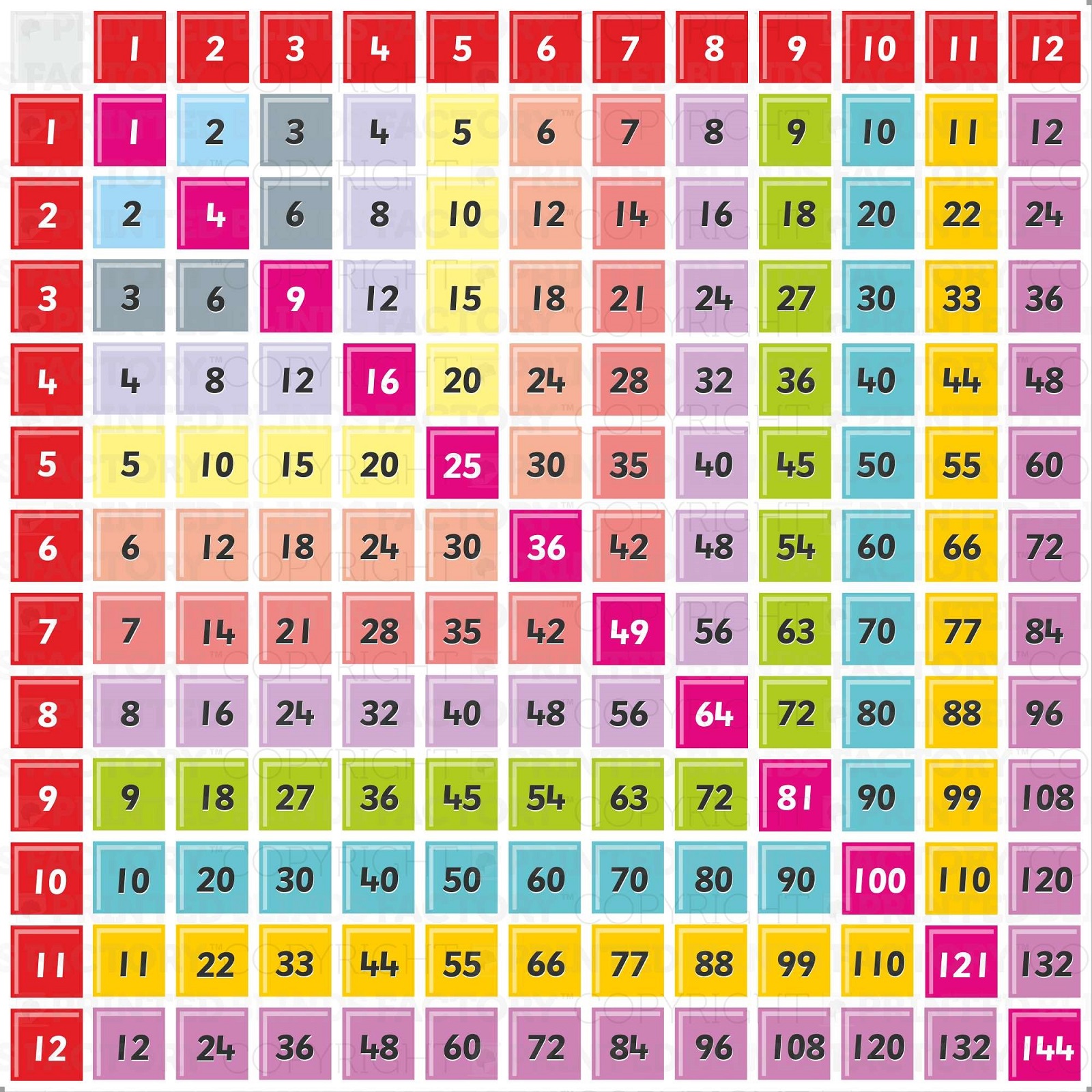
A multiplication table chart is a visual representation of the multiplication process, typically laid out in a grid format. It shows the products of numbers multiplied together, allowing children to quickly find the answer to multiplication problems. For instance, if your child needs to know what 7 times 8 is, they can simply look at the intersection of the row for 7 and the column for 8 to find the answer: 56.
These charts usually cover the numbers 1 through 12, which is perfect for elementary school students who are just starting to learn multiplication. However, you can find larger charts that go up to 20 or even higher if needed!
Why Use a Printable Multiplication Table Chart?
Using a Free Printable Multiplication Table Chart offers several benefits:
- Immediate Reference: Kids can quickly glance at the chart to find answers, reducing frustration during homework or study sessions.
- Visual Learning: Many children are visual learners, and having a chart available helps them see patterns in multiplication, making it easier to remember facts.
- Practice Tool: The chart can be used as a starting point for practicing multiplication. Kids can cover the answers and try to recall them from memory.
- Customization: You can print it in different sizes and formats to fit your child’s study space or personal preferences.
How to Use the Multiplication Table Chart Effectively
Understanding how to use the Free Printable Multiplication Table Chart can maximize its benefits. Here are some practical tips:
- Display it Prominently: Hang the chart in a visible place, like a bedroom wall or study area. This constant visibility encourages your child to refer to it when needed.
- Interactive Learning: Turn studying into a game. You can call out a multiplication problem and have your child find the answer on the chart.
- Fill-in-the-Blank Practice: Print out a blank multiplication table and challenge your child to fill in the answers from memory. This is a great way to reinforce their learning.
- Combine with Other Resources: Use the multiplication chart alongside worksheets or flashcards to diversify their study routine. This multi-faceted approach can enhance retention.
Digital Vs. Print: Which is Better?
When it comes to using a multiplication table chart, you might wonder whether to go for a digital version or print it out. Here are some considerations for both options:
Digital Version
- Accessibility: A digital format can be accessed on various devices, making it convenient for on-the-go learning.
- Interactive Features: Some digital charts come with interactive quizzes or games to make learning fun.
- Customization: You can adjust the size, colors, or even add annotations to a digital chart easily.
Printed Version
- Tactile Learning: Many kids benefit from having a physical chart to interact with, as it can be easier for them to engage with and remember.
- No Distractions: A printed chart avoids the distractions that often come with screens, allowing for focused study time.
- Easy Reference: Having a chart on the wall or desk can encourage spontaneous learning moments when your child encounters multiplication in daily life.
Both options have their pros and cons, so consider your child’s learning style and preferences when deciding.
Where to Find Free Printable Multiplication Table Charts
Finding a Free Printable Multiplication Table Chart is easier than ever! Here are some reliable places to check:
- Educational Websites: Many educational sites offer free resources, including multiplication charts. Look for sites dedicated to math education for high-quality charts.
- Printable Resource Platforms: Websites that specialize in printable resources often have a variety of multiplication charts available in different designs and formats.
- Teacher Resources: Teachers often share their materials online, including multiplication charts. You can find these on teacher blogs or educational forums.
When downloading, be sure to look for high-quality PDFs or images to ensure that your chart prints clearly and legibly.
Tips for Printing Your Multiplication Table Chart
Once you’ve found the perfect chart, you’ll want to print it out effectively. Here are some tips:
- Choose the Right Paper: If your child will be using the chart frequently, consider printing it on cardstock for durability. If it’s just for a quick reference, standard printer paper works fine.
- Select the Right Size: Portrait layout tends to work better for most home printers. Make sure the size fits your printer’s capabilities — A4 or letter size is usually best.
- Print Settings: Check your printer settings to ensure that the chart prints at actual size. Avoid scaling options that could alter the dimensions.
- Laminating: If you want the chart to last longer, consider laminating it. This makes it easier to write on with dry-erase markers, allowing your child to practice directly on the chart.
Encouraging Multiplication Mastery at Home
Using a Free Printable Multiplication Table Chart is just one step in helping your child become confident in their multiplication skills. Here are a few additional activities you can do at home:
- Daily Practice: Set aside a few minutes each day to practice multiplication facts. Consistency is key to mastering these skills.
- Math Games: Incorporate games that involve multiplication, such as card games or board games, to make learning fun.
- Real-Life Applications: Use real-life scenarios to teach multiplication. Cooking, shopping, and even planning events can all involve multiplication in practical ways.
By creating a supportive and engaging learning environment, you can help your child not only master multiplication but also develop a love for math!