Math can be a daunting subject for many, If you are a parent helping your child with homework or a student trying to grasp complex concepts. That’s where free printable math reference charts come in handy. These resources provide quick access to essential formulas, conversions, and mathematical principles, making it easier to study and complete assignments. Let’s look at how you can effectively use these charts and find the best ones for your needs.
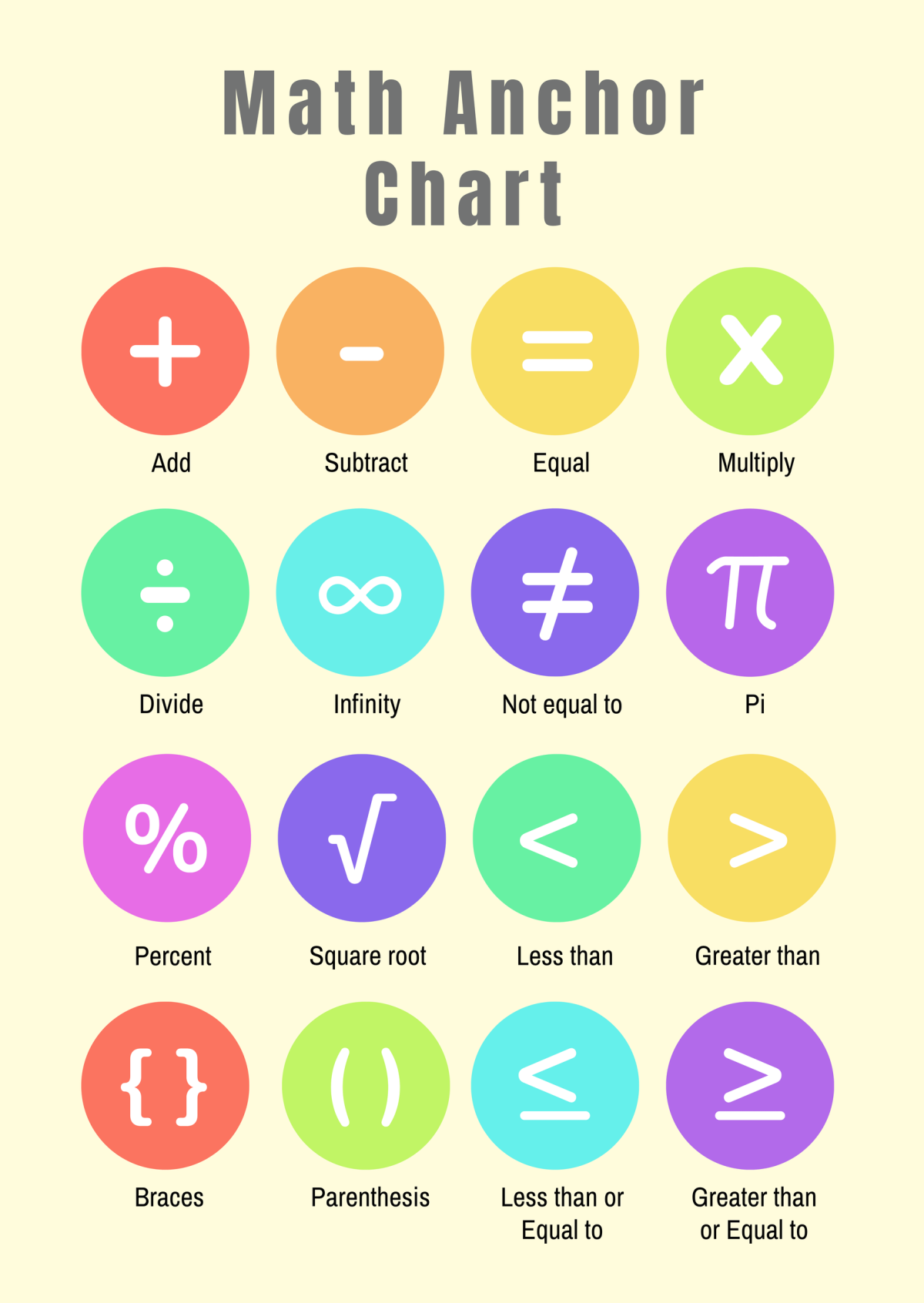
What Are Free Printable Math Reference Charts?
Free printable math reference charts are visual aids designed to provide quick access to important mathematical information. They typically include formulas, tables, and definitions that cover a wide range of topics, from basic arithmetic to advanced calculus. These charts can be printed out and kept handy for easy reference, making them perfect for students of all ages.
You’ll find charts for various math topics like:
- Basic operations (addition, subtraction, multiplication, division)
- Algebraic formulas (quadratic equations, factoring)
- Geometry (area, perimeter, volume formulas)
- Trigonometric values (sine, cosine, tangent)
- Unit conversions (metric to imperial, etc.)
Having these resources at your fingertips can make a significant difference in your or your child’s understanding and retention of mathematical concepts.
Who Can Benefit From Math Reference Charts?
Math reference charts are incredibly versatile and can benefit various individuals, including:
- Students: Whether in elementary school, high school, or college, students can use these charts to reinforce their learning and boost their confidence in math.
- Parents: If you’re assisting your child with homework, these charts can help clarify concepts and provide quick answers when needed.
- Teachers: Educators can use these charts as teaching tools, displaying them in the classroom or providing copies to students for their personal use.
- Homeschoolers: A great resource for those teaching math at home, allowing for easy access to essential information during lessons.
With a little planning, these charts can be integrated into daily study routines, making math less intimidating and more approachable.
How to Use Free Printable Math Reference Charts Effectively
Now that you know what these charts are and who can use them, let’s discuss practical ways to incorporate them into your study or teaching routine.
1. Organize Your Study Space
Before you print your charts, take a moment to organize your study area. Clear a space where you can easily access your reference materials. Consider using a binder or folder to keep your charts organized by topic. This way, you won’t waste time searching for the right chart when you need it.
2. Print at the Right Size
When printing, consider your available space and how you’ll use the charts. For larger charts, a standard letter-size (8.5 x 11 inches) might be suitable. However, if you have the room, printing on larger paper (like A3 or tabloid size) makes it easier to read and follow along during study sessions. Make sure to adjust your printer settings accordingly.
3. Use Color for Clarity
If your printer supports color, consider printing your charts in color. Using different colors for different sections can help visually separate concepts, making it easier to locate the information you need quickly. For example, you might use blue for algebra, green for geometry, and red for statistics.
4. Incorporate Into Daily Study Routines
Encourage regular use of these charts in your daily study routine. For students, this could mean reviewing relevant charts before homework assignments or tests. Parents can incorporate chart use into homework time by asking children to reference them when solving problems.
5. Update Regularly
As students progress through their studies, their needs will change. Regularly evaluate which charts are most useful and consider replacing or adding new ones as necessary. This keeps your resources relevant and ensures that you’re not overwhelmed with outdated information.
Where to Find Free Printable Math Reference Charts
There are numerous online platforms where you can find high-quality free printable math reference charts. Here are some reliable sources to explore:
- Educational Websites: Sites like Education.com or Teachers Pay Teachers often offer free downloadable resources, including math reference charts tailored for different grade levels and topics.
- Math Blogs: Many educational bloggers create and share free printable charts. A quick search for “free printable math reference charts” on Google or Bing will yield plenty of results.
- Pinterest: This platform is a treasure trove for printable resources. Search for math reference charts, and you’ll find a variety of styles and formats, often linked to free downloads.
- School Resources: Some schools provide free resources for students and parents on their websites, including math reference charts. Check your school district’s website for any available materials.
Types of Math Reference Charts to Consider
When looking for free printable math reference charts, consider the following types based on your needs:
Basic Math Charts
Perfect for younger students, these charts cover fundamental mathematical concepts such as addition, subtraction, multiplication, and division. They often include visual aids like number lines that can enhance understanding.
Algebra Reference Charts
These charts typically include formulas for solving equations, factoring, and working with polynomials. They’re essential for middle and high school students tackling algebra courses.
Geometry Charts
Geometry reference charts usually feature key formulas for calculating areas, perimeters, and volumes of various shapes. They can also include properties of triangles, circles, and other geometric figures.
Trigonometry Charts
For those studying trigonometry, these charts highlight essential functions, angles, and identities. They can be especially useful for high school and college students.
Statistical Charts
Statistical reference charts often include various types of graphs, measures of central tendency (mean, median, mode), and probability formulas. These are vital for courses that delve into statistics and data analysis.
Tips for Teaching With Math Reference Charts
If you’re a teacher looking to incorporate math reference charts into your classroom, here are some strategies to enhance learning:
1. Interactive Use
Engage students by using the charts interactively. For instance, you might display a chart on the board and ask students to come up and solve problems based on the information provided. This not only reinforces their learning but also builds confidence.
2. Group Activities
Consider using charts in group activities or projects. Students can work together to create their own reference charts, which encourages collaboration and deeper understanding of the material.
3. Encourage Personalization
Allow students to personalize their charts. They can add notes, highlight important information, or even create their own versions. Personalizing the charts helps them take ownership of their learning.
4. Regular Review
Incorporate regular reviews of the charts in your lesson plans. This can be done through quizzes, group discussions, or simply asking students to reference the charts while working on assignments.