When you need to check your family’s vision at home, having a Free Printable Jaeger Eye Chart is a handy tool. This chart is designed for quick visual acuity assessments, making it an essential resource for parents who want to keep an eye on their children’s eye health. Measuring 8.5 x 11 inches, it fits perfectly on standard printer paper and is easy to download and print.
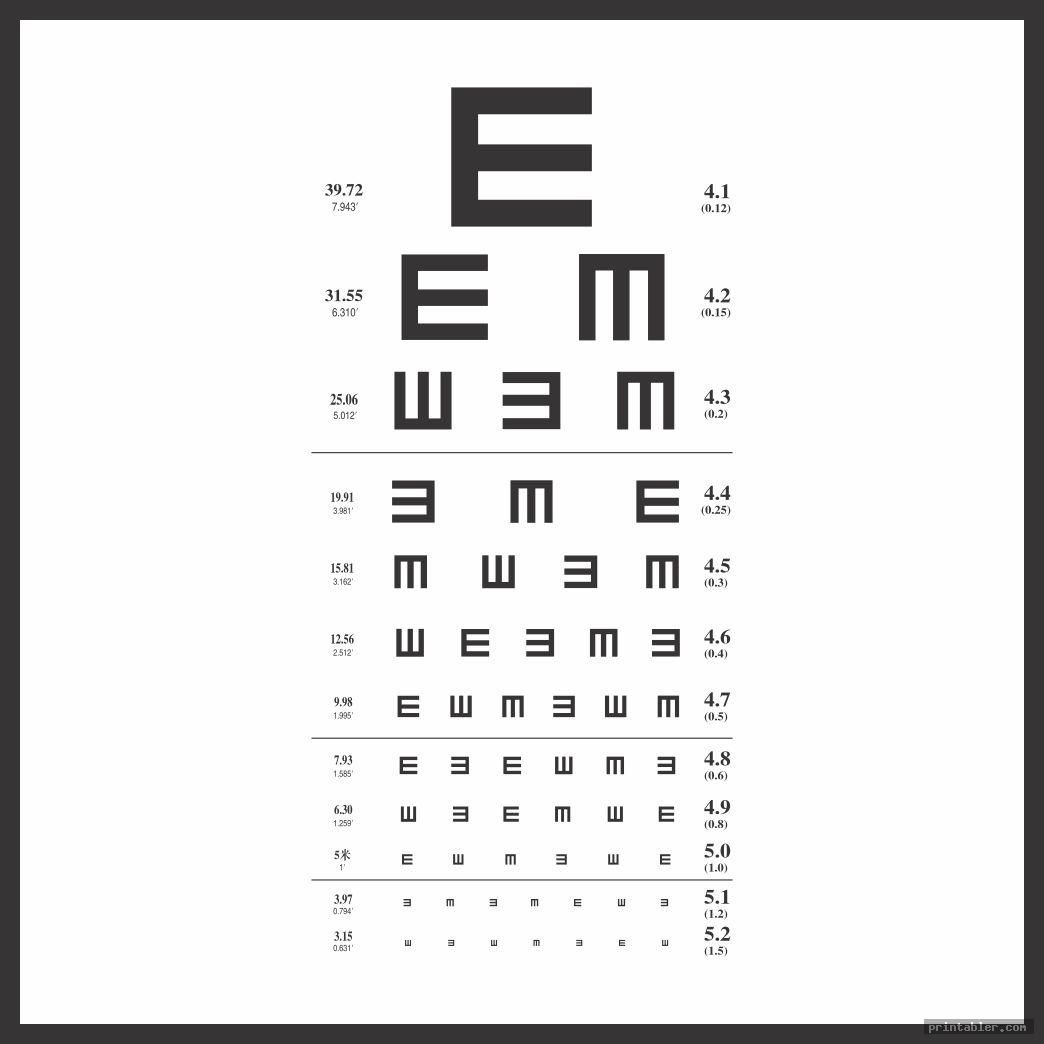
What is a Jaeger Eye Chart?
The Jaeger Eye Chart is a classic tool used to measure near vision. It consists of a series of paragraphs or text in varying sizes, allowing you to assess how well someone can read at a close distance. This chart is particularly useful for parents wanting to monitor their children’s vision, especially if they are spending more time on screens or reading.
The chart typically includes sizes ranging from Jaeger 1 (smallest) to Jaeger 12 (largest). The larger the number, the easier it is to read. You’ll find that the chart is straightforward, making it easy for both adults and kids to use.
How to Use the Jaeger Eye Chart
Using the Jaeger Eye Chart is simple. Follow these steps to ensure accurate results:
- Print the Chart: Download the Free Printable Jaeger Eye Chart and print it on a standard letter-sized paper (8.5 x 11 inches). Ensure that the print settings are set to 100% scaling; this will keep the text size accurate.
- Prepare the Testing Area: Place the chart on a flat surface or hang it on a wall. Make sure the lighting is good, as glare can affect vision testing.
- Distance: For optimal results, position yourself or your child about 14-16 inches away from the chart. This distance is generally considered ideal for reading tests.
- Testing: Have the person cover one eye with their hand or an eye patch. Start with the largest text (Jaeger 12) and have them read down to the smallest size they can comfortably see. Record the smallest line they can read accurately.
- Repeat: Switch eyes and repeat the process to compare results.
Using this method will give you a good indication of your child’s near vision capability.
Understanding the Layout of the Jaeger Eye Chart
The layout of the Jaeger Eye Chart is designed for clarity and ease of use. Here’s what you’ll notice:
- Text Size Variation: The text sizes decrease progressively. This allows for a gradual challenge, helping you determine the smallest size a person can read.
- Clear Font: The font used is typically sans-serif, which is easier to read, especially for young children or those with vision challenges.
- Horizontal Alignment: Each line is aligned horizontally, making it easy to track progress as one reads down the chart.
- Numbering: Each line is numbered (e.g., Jaeger 1 to Jaeger 12), which helps in recording results and communicating them effectively.
The thoughtful design makes it user-friendly, ensuring that parents can effectively assess their children’s vision without needing specialized equipment.
Common Mistakes to Avoid
While using the Jaeger Eye Chart, there are a few common mistakes that can lead to inaccurate results. Here are some to watch out for:
- Incorrect Distance: Ensure that the tester is standing or sitting at the right distance (14-16 inches). Too far away will make the text appear smaller than it is.
- Lighting Issues: Avoid using the chart in direct sunlight or in dim lighting. Proper lighting is crucial for clear visibility.
- Not Covering One Eye: Make sure the person being tested covers one eye completely. This prevents them from using their peripheral vision to guess the letters.
- Rushing the Test: Encourage a relaxed pace. If someone feels rushed, they may not read as accurately.
By being mindful of these common pitfalls, you can ensure that your vision assessment is as accurate as possible.
Where to Store and How to Use the Results
After conducting the vision test using the Free Printable Jaeger Eye Chart, it’s important to know where to store the results and how to use them:
- Recording Results: Write down the smallest line each person can read for future reference. This can help track changes in vision over time.
- Store the Chart: Keep a copy of the printed chart in a designated folder at home for easy access. Alternatively, save a digital copy on your computer or device for repeated use.
- Consult a Professional: If you notice a significant change in your child’s ability to read smaller text or if they struggle with any line, it’s wise to consult an eye care professional for a comprehensive eye exam.
Having this chart at home isn’t just about testing vision; it’s about being proactive in your family’s eye health. Regular check-ups and monitoring can help catch potential issues early.
Additional Resources for Eye Health
In addition to the Jaeger Eye Chart, you might want to consider other resources that promote eye health. Here are some suggestions:
- Vision Worksheets: Use printable worksheets that can help children learn about eye care and vision health.
- Eye Health Tips: Create a family guide on eye care habits, such as taking breaks from screens, eating eye-healthy foods, and regular eye exams.
- Coloring Pages: Incorporate fun coloring pages that educate about the importance of vision and eye safety.
By integrating these additional resources into your routine, you can foster a comprehensive approach to eye health in your family.