Using a Free Printable If Then Chart can be a powerful tool in your parenting toolkit. This resource helps organize thoughts and decisions, making it easier for both you and your child to navigate everyday situations. Whether it’s for homework, chores, or social interactions, an If Then Chart lays out clear choices and consequences, allowing kids to grasp the relationship between actions and outcomes. Let’s explore how to effectively use this chart in your family life.
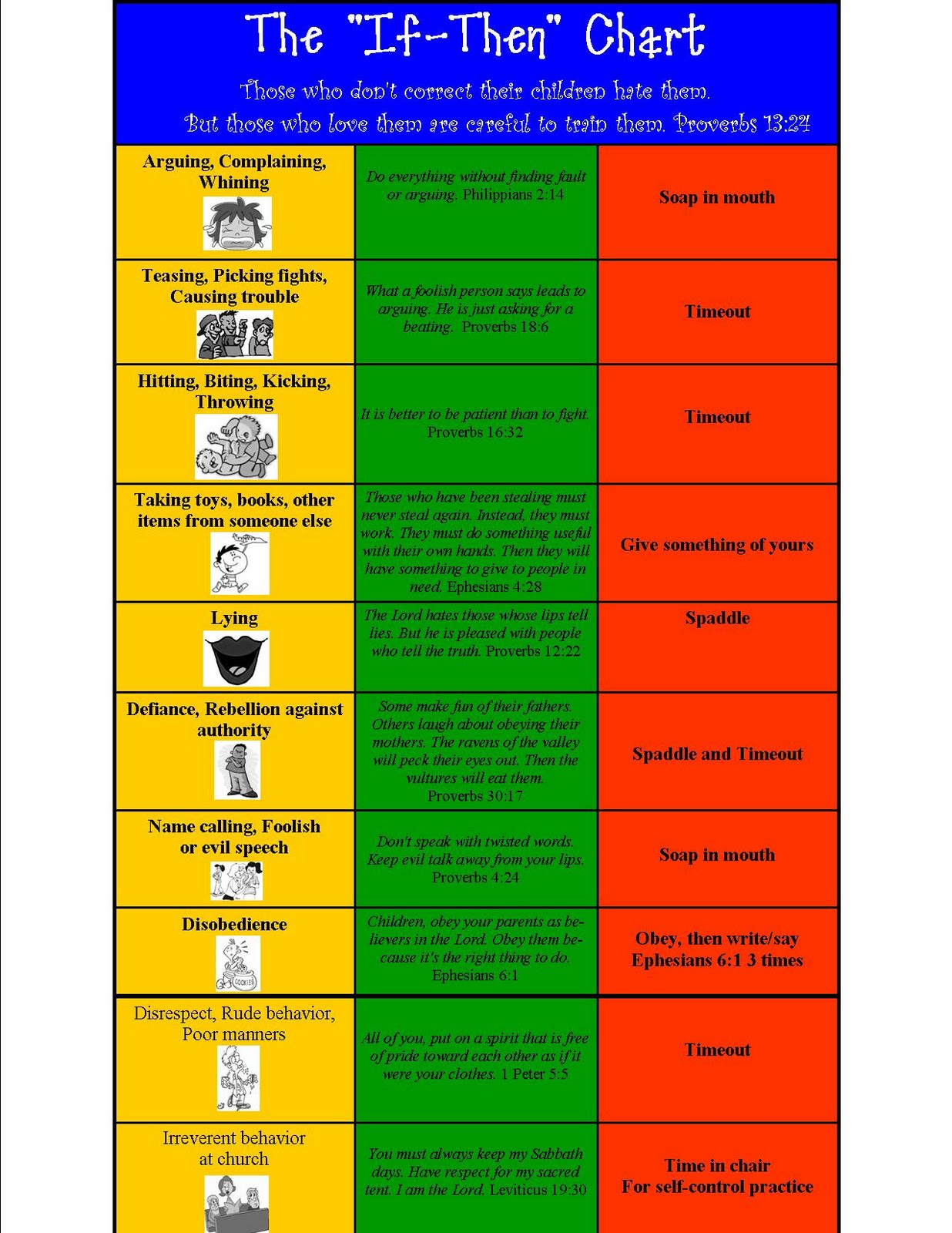
What is an If Then Chart?
An If Then Chart is a visual representation that outlines potential scenarios and the corresponding actions or outcomes. It typically consists of two columns: the “If” column lists specific situations or behaviors, while the “Then” column details the results or responses that follow those actions. For example, if your child finishes their homework on time, then they can play video games for an hour. This straightforward structure makes it easy for kids to understand the cause-and-effect relationship in various contexts.
Who Can Benefit From an If Then Chart?
This chart is particularly beneficial for parents of children who are learning about consequences, responsibility, and decision-making. It’s suitable for various age groups, from preschoolers to early teens, as it can be tailored to fit their developmental stages. For younger children, simple statements work best, while older kids can handle more complex scenarios. Additionally, educators can use this resource in classrooms to help students learn about personal accountability and behavioral expectations.
How to Fill Out Your If Then Chart
Creating your Free Printable If Then Chart is straightforward, but there are a few steps to follow to ensure it’s effective:
- Identify the Situations: Start by brainstorming the scenarios you want to address. Think about common challenges your child faces, such as homework completion, chores, or social interactions.
- Determine the Outcomes: For each situation, decide on the consequences or rewards that will follow. Be clear and specific. For example, if your child struggles with completing chores, you might write: “If the dishes are done before dinner, then dessert can be enjoyed.”
- Use Clear Language: Write in simple, direct language that your child can easily understand. Avoid complex phrases or jargon that could confuse them.
- Design the Chart: Use a printable template to create your If Then Chart. You can find various designs online, or you can create one using a word processor. Ensure the layout is easy to read, with enough space for writing.
- Review Together: Once your chart is complete, sit down with your child to review it. Explain each scenario and outcome, encouraging them to ask questions and share their thoughts.
Where to Use Your If Then Chart
Incorporating your If Then Chart into daily routines can enhance its effectiveness. Here are a few practical applications:
- Homework Time: Use the chart to motivate your child to complete their homework. For instance, “If you finish your math homework by 5 PM, then you can watch your favorite show afterward.”
- Chore Management: Reinforce responsibility by linking chores to privileges. For example, “If you clean your room, then you can invite a friend over this weekend.”
- Behavioral Goals: Help manage behavior by outlining acceptable actions and their consequences. For instance, “If you speak politely to your siblings, then you can choose a family game for game night.”
Tips for Maximizing the Effectiveness of Your Chart
To make the most of your Free Printable If Then Chart, consider these tips:
- Consistency is Key: Use the chart regularly to reinforce its purpose. The more your child sees it in action, the more they will understand its importance.
- Be Flexible: While consistency is important, be open to adjusting the scenarios and outcomes based on your child’s progress and changing needs.
- Encourage Participation: Involve your child in the process of filling out the chart. This can increase their investment in the outcomes and make them more likely to follow through.
- Celebrate Successes: Acknowledge when your child meets the expectations set in the If Then Chart. Celebrate their achievements, no matter how small, to encourage continued effort.
Where to Download Your Free Printable If Then Chart
You can easily find a Free Printable If Then Chart online. Many educational websites and parenting blogs offer free templates in various designs. Look for a PDF version to avoid any formatting issues that can occur with image files. Here are a few tips for downloading your chart:
- Check the Size: Make sure the chart fits your printer’s paper size. Most home printers work well with standard letter size (8.5” x 11”).
- Consider Cardstock: If you plan to laminate the chart for durability, use cardstock instead of regular printer paper. It holds up better over time, especially if you anticipate frequent use.
- Print Options: Use portrait layout for most home printers; this orientation tends to be easier to read and fill out.
Tracking Progress With Your If Then Chart
One of the most significant advantages of using an If Then Chart is that it allows you to track your child’s progress over time. You can use it as a visual reminder of what they’ve accomplished and where they need improvement. Here’s how to do it:
- Mark Achievements: Each time your child successfully follows through with an “If” scenario, mark it on the chart. You can use stickers, checkmarks, or even a simple date to indicate completion.
- Reflect Regularly: Set aside time each week to review the chart together. Discuss what worked, what didn’t, and how they felt about the outcomes. This reflection can also lead to discussions about setting new goals.
- Adjust as Necessary: As your child grows and their skills develop, you may need to modify the chart to reflect new challenges. This keeps the chart relevant and engaging.
Using a Free Printable If Then Chart can simplify daily decisions for both you and your child. By providing a clear structure for understanding consequences, you empower them to make better choices. Whether you’re tackling homework, chores, or behavioral expectations, this resource can help instill a sense of responsibility and accountability in your child. With simple, clear guidelines and a visual tool at their disposal, they’ll be better equipped to navigate their daily lives with confidence.