Understanding safe food temperatures is essential for anyone who enjoys cooking at home. A Free Printable Food Temperature Chart is a practical tool that helps you ensure your meals are cooked to the right temperature, preventing foodborne illnesses. This guide will provide you with everything you need to know about using this resource effectively.
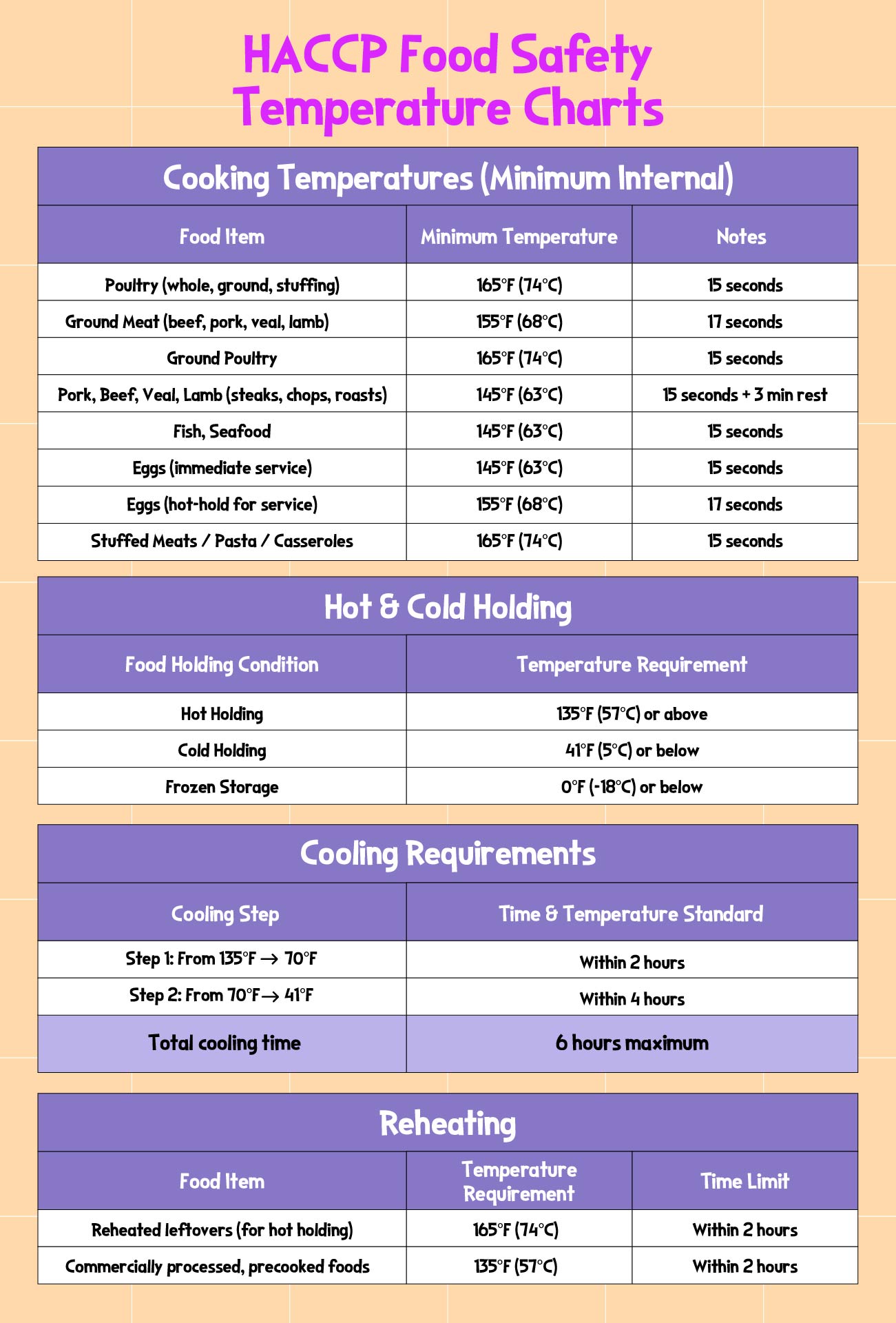
What is a Food Temperature Chart?
A food temperature chart is a simple yet effective resource that lists safe cooking temperatures for various foods. It includes the minimum internal temperatures recommended for different types of meat, poultry, seafood, and even some vegetables. Using this chart can help you avoid undercooking or overcooking your meals, which is crucial for both safety and flavor.
When you download your Free Printable Food Temperature Chart, you’ll find clear, easy-to-read information that makes it simple to reference while cooking. This chart is particularly useful for those who are new to cooking or anyone looking to brush up on food safety practices.
How to Use the Food Temperature Chart
Using the Free Printable Food Temperature Chart is straightforward. Here are some steps to help you make the most out of it:
- Print It Out: Once you download the chart, print it on a standard letter-size paper (8.5 x 11 inches). This size is convenient for most home printers and easy to store in a kitchen drawer or hang on your fridge.
- Understand the Layout: The chart will typically list food types on one side and their corresponding safe cooking temperatures on the other. You’ll see categories like poultry, beef, pork, seafood, and more. Familiarizing yourself with this layout helps you quickly find the information you need while cooking.
- Check Temperatures with a Food Thermometer: When you’re cooking, use a reliable food thermometer to check the internal temperature of your dishes. Insert the thermometer into the thickest part of the meat or the center of the dish. Once you check the temperature, refer to your chart to confirm it meets the safe cooking guidelines.
- Make Notes: If you notice that certain dishes require adjustments in cooking times or temperatures, jot down notes on your printed chart. This practice can help you improve your cooking techniques over time.
Benefits of Using a Food Temperature Chart
There are several advantages to having a Free Printable Food Temperature Chart in your kitchen. Here are some key benefits:
- Promotes Food Safety: By ensuring that foods reach the appropriate temperatures, you reduce the risk of foodborne illnesses. This is especially important when cooking for children, the elderly, or anyone with a compromised immune system.
- Enhances Cooking Consistency: When you consistently cook foods to their recommended temperatures, you’ll notice a marked improvement in the quality and taste of your meals. This consistency helps you achieve the desired doneness every time.
- Quick Reference: Instead of searching online or flipping through cookbooks, you have all the essential information at your fingertips. This saves time and keeps you focused on the cooking process.
Digital Vs. Printable: Which Is Best for You?
When it comes to the Free Printable Food Temperature Chart, you have the option of using a digital version or printing it out. Each method has its pros and cons.
Digital Version
A digital chart can be accessed on your smartphone, tablet, or computer. This option is great if you prefer not to clutter your kitchen with printed materials. You can easily pull it up while cooking and check temperatures without needing to print anything.
However, using a digital version may require you to scroll or zoom in and out, which can be cumbersome when your hands are messy from cooking.
Printable Version
On the other hand, a printable chart allows you to have a physical copy that’s easy to reference. You can stick it on your fridge or keep it in a cooking binder. This method also means you don’t have to worry about battery life or losing internet access while you’re in the kitchen.
For best results, consider printing the chart and keeping a digital copy as a backup. This way, you have access to the resource in whatever format suits your cooking style.
Best Practices for Food Safety
While your Free Printable Food Temperature Chart is an invaluable tool, it’s important to combine its use with other essential food safety practices. Here are some tips to keep in mind:
- Thaw Foods Safely: Always thaw frozen meats in the refrigerator, cold water, or the microwave. Avoid thawing on the counter, as this can lead to unsafe bacteria growth.
- Avoid Cross-Contamination: Use separate cutting boards for raw meats and vegetables. This practice minimizes the risk of spreading harmful bacteria.
- Store Leftovers Properly: Ensure that leftovers are cooled and stored in airtight containers within two hours of cooking. Label them with the date to keep track of freshness.
- Regularly Check Your Thermometer: Make sure your food thermometer is calibrated correctly. An inaccurate thermometer can give you false readings, leading to undercooked meals.
Where to Find Your Free Printable Food Temperature Chart
Finding a reliable source for your Free Printable Food Temperature Chart is crucial. Many websites offer downloadable resources that you can print for free. Look for sites that specialize in cooking or food safety to ensure you’re getting accurate information.
Once you find a chart you like, download it, print it out, and keep it handy in your kitchen. If you’re creative, consider laminating it for durability, especially if you plan to refer to it often.
Adapting the Chart for Your Needs
One of the great things about having a Free Printable Food Temperature Chart is that you can adapt it to fit your cooking needs. If you frequently cook certain dishes, you might want to add those specific temperatures to your chart.
For instance, if you love to grill, you could write down the ideal temperatures for various cuts of meat that you often prepare. This customization makes your chart even more valuable as a cooking tool.