Keeping track of your child’s bowel movements can be an essential part of monitoring their overall health and well-being. A Free Printable Bowel Movement Record Chart can help you log this information easily, allowing you to spot patterns and discuss any concerns with your pediatrician. guide you through how to effectively use this resource, what information to collect, and tips for incorporating it into your daily routine.
Understanding the Bowel Movement Record Chart
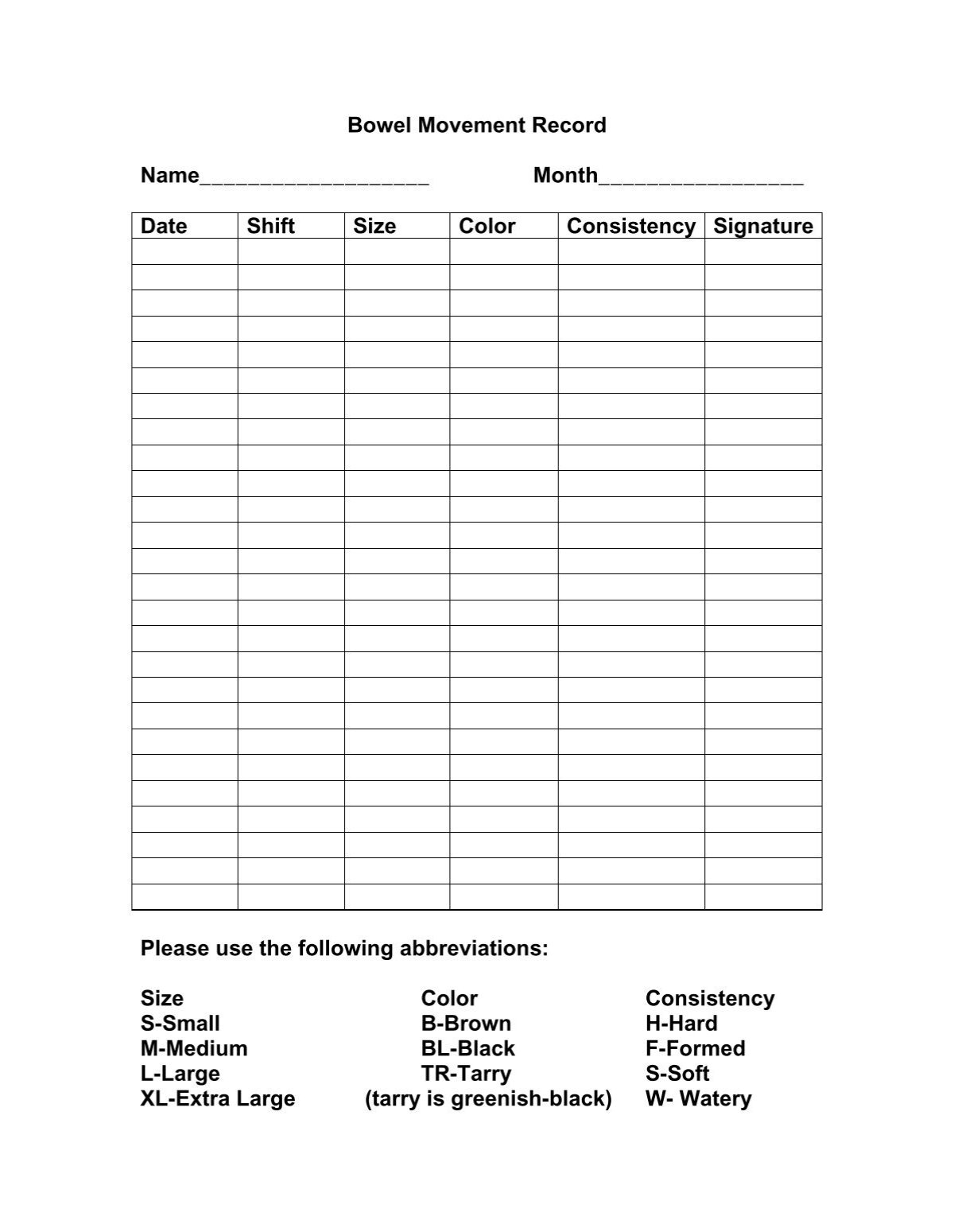
A bowel movement record chart is a simple yet effective tool for parents. It typically includes sections for recording the date, time, consistency, and frequency of bowel movements. By maintaining this record, you can observe trends over time, which might indicate dietary needs or potential health issues.
When you download the Free Printable Bowel Movement Record Chart, you’ll find a user-friendly layout that makes it easy to fill out. The chart is often structured in a grid format, with rows for each day and columns for various details.
What Information to Include
Before you start filling out the chart, it’s helpful to know what information is usually required. Here are the key fields you should be prepared to track:
- Date: Record the date of each bowel movement. This helps you see any changes in routine over time.
- Time: Note the time of day. This can help identify patterns, such as whether your child typically goes at the same time daily.
- Consistency: Use a scale (often from the Bristol Stool Chart) to record the consistency of the stool. This can help in identifying any dietary issues or concerns.
- Frequency: Mark how many times your child has a bowel movement each day. This is crucial for assessing regularity.
- Notes: Include any additional observations, such as changes in diet, medications, or any discomfort your child may have experienced.
Having this information at hand allows for more productive discussions with your healthcare provider.
Using the Chart Effectively
To get the most out of your Free Printable Bowel Movement Record Chart, consider the following tips:
- Consistency is Key: Make it a part of your daily routine. Set a reminder for yourself to fill it out, perhaps right after your child uses the bathroom. This will ensure that the information is accurate and up-to-date.
- Use Clear Language: When noting details, use simple language that you can easily understand later. Consistency and clarity will make it easier to spot trends.
- Color-Coding: If you have multiple children, consider color-coding each child’s entries. This will make it easier to track each child’s bowel habits at a glance.
- Review Regularly: Take time weekly or monthly to review the chart. Look for any patterns that may emerge, such as changes in frequency or consistency. This can help you adjust your child’s diet or consult a doctor if necessary.
Where to Print Your Chart
Once you’ve downloaded the Free Printable Bowel Movement Record Chart, you’ll want to print it out. Here are some considerations for printing:
- Paper Type: For durability, consider using cardstock. It holds up better over time, especially if you plan to keep the chart in a binder or on the fridge.
- Size: Standard letter size (8.5 x 11 inches) is most common and compatible with most home printers. Ensure your printer settings are adjusted to avoid any scaling issues.
- Binding Options: If you prefer to keep multiple charts together, consider three-hole punching the pages for easy storage in a binder.
Incorporating the Chart Into Your Child’s Routine
Integrating the Bowel Movement Record Chart into your child’s routine can help make this process more engaging and educational for them. Here are some strategies:
- Involve Your Child: Depending on their age, involve your child in the process. Explain why it’s important to track their bowel movements and encourage them to share how they feel. This can foster a sense of responsibility and awareness about their health.
- Create a Visual Calendar: If your child enjoys visual aids, consider adding stickers or drawings to the chart. This can make tracking more fun and less of a chore.
- Discuss Changes: Use the chart as a discussion point during family health talks. This normalizes the conversation about bowel health and can reduce any stigma or embarrassment.