Understanding your child’s reading level can feel like deciphering a secret code. With so many resources available, it’s essential to find one that simplifies the process and provides clear insights. The Fountas And Pinnell Reading Level Chart Printable can be a game-changer in this regard. This tool not only helps you identify your child’s reading level but also matches it with appropriate books, ensuring a more tailored reading experience.
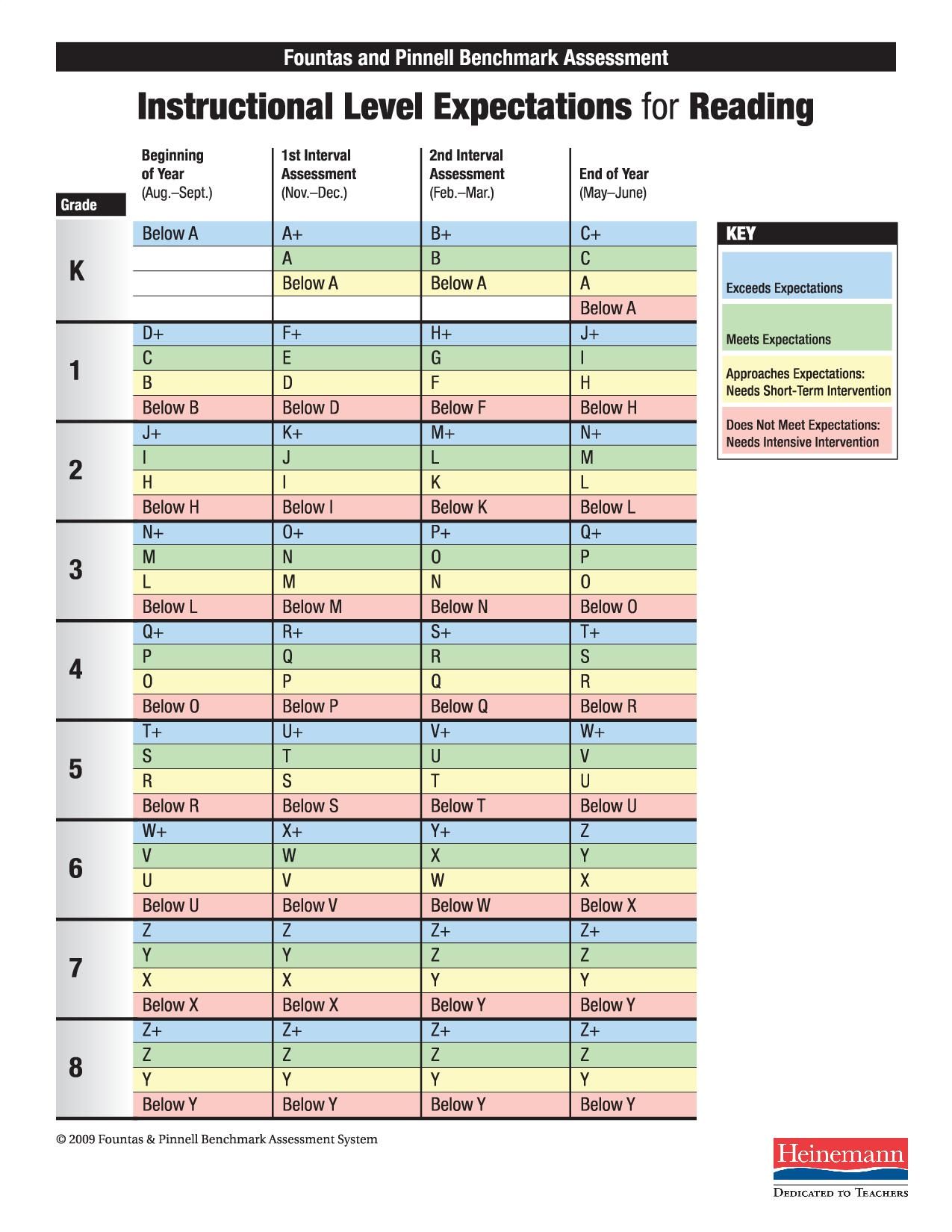
What is the Fountas and Pinnell Reading Level Chart?
The Fountas and Pinnell system is a widely recognized method for assessing reading levels in children, primarily used in schools. The chart categorizes books into levels A through Z, allowing parents and educators to easily identify which books are suitable for a child’s reading abilities. The chart is designed to help you find texts that match your child’s reading level, promoting both confidence and growth in their reading skills.
By downloading the Fountas And Pinnell Reading Level Chart Printable, you’ll have a handy reference that can guide you in choosing books that will challenge your child just enough to foster improvement without overwhelming them.
How to Download and Print the Chart
Getting your hands on the Fountas And Pinnell Reading Level Chart Printable is straightforward. Here’s how to do it:
- Find a Reliable Source: Search for websites dedicated to educational resources. Look for one that offers the chart for free download, ensuring it’s a reputable site.
- Download the File: Typically, the chart will be available in PDF format. Click the download button, and the file should save directly to your device.
- Print the Chart: Open the downloaded PDF. Set your printer to ‘portrait’ layout for optimal results. If you have cardstock on hand, consider printing on that for durability, especially if this will be used frequently.
- Consider Lamination: If you plan to use the chart in various settings (like at home or in the classroom), laminating it can prolong its life. It also allows you to use dry-erase markers for quick notes.
Understanding the Layout of the Chart
When you first look at the Fountas And Pinnell Reading Level Chart Printable, you might wonder how to use it effectively. Here’s a breakdown of its components:
- Levels A to Z: The leftmost column lists levels, helping you identify where your child fits in the system. Each level corresponds to specific reading characteristics, such as vocabulary complexity and sentence structure.
- Book Suggestions: Next to each level, you’ll often find a list of recommended books. These suggestions are tailored to engage students at that reading level while promoting gradual skill development.
- Guiding Questions: Some charts also include questions or tips to consider when selecting books, helping you reflect on your child’s interests and needs.
Understanding how to read and utilize the chart can significantly enhance your child’s reading journey. It’s not just about finding a book; it’s about fostering a love for reading through appropriate material.
Setting Up a Reading Routine
Now that you have the chart and understand how to use it, it’s time to set up a reading routine with your child. Here’s a step-by-step guide to help you establish a successful reading habit:
- Identify the Current Level: Use the chart to determine your child’s reading level. If they are fluctuating between two levels, consider their comfort with each.
- Select Appropriate Books: Based on the chart, choose a mix of fiction and nonfiction texts that align with their level. This variety will keep them engaged and curious.
- Schedule Regular Reading Time: Designate a specific time each day for reading. Whether it’s before bed or after school, consistency helps establish a habit.
- Engage in Discussion: After reading, ask your child about the story. What did they like? What was confusing? Encouraging discussion helps reinforce comprehension skills.
- Track Progress: Keep a simple log of the books read and any notes on your child’s engagement or understanding. This will help you adjust future selections as needed.
By establishing a routine, you not only help your child improve their reading skills but also create a bonding experience that fosters a love for literature.
Choosing the Right Books
Selecting the right books based on the Fountas And Pinnell Reading Level Chart Printable is crucial. Here are some tips to make the process smoother:
- Look for Interest: Pay attention to your child’s interests. Whether they love dinosaurs, fairy tales, or space exploration, there are books available at every level that cater to their passions.
- Use the Library: Many libraries organize books by reading level. Bring the chart along when you visit, so you can easily locate suitable books.
- Mix It Up: Include a variety of genres, such as poetry, graphic novels, and informational texts. Exposure to different styles will enrich their reading experience.
- Check Reviews: For books that may be less familiar, reading reviews can provide insight into the content and appropriateness for your child’s level.
- Be Flexible: If a book is too easy or too challenging, don’t hesitate to switch it out. The goal is to keep reading enjoyable and productive.
Utilizing the Chart in the Classroom
If you’re an educator, the Fountas And Pinnell Reading Level Chart Printable can also play a vital role in your classroom. Here’s how you can effectively incorporate it into your teaching:
- Assess Reading Levels: Use the chart to assess students’ reading levels at the beginning of the year. This will help you tailor your instruction to meet their needs.
- Create Reading Groups: Based on the levels, form small reading groups. This allows you to provide targeted support and encouragement, fostering a collaborative learning environment.
- Provide Resources: Share the printable chart with parents so they can support their child’s reading at home. This creates a consistent approach between school and home.
- Monitor Progress: Regularly revisit the chart to track student progress throughout the year. Adjust groupings and book selections as students advance.
- Encourage Peer Recommendations: Allow students to share their favorite books with each other based on their levels. This not only promotes reading but also builds camaraderie in the classroom.
By applying the chart in a classroom setting, you’re equipping both students and parents with the tools they need to foster a love for reading.
Tips for Maximizing the Chart’s Effectiveness
To get the most out of your Fountas And Pinnell Reading Level Chart Printable, consider these additional tips:
- Stay Informed: Keep up with new releases at your child’s reading level. Many publishers and websites provide lists of new titles, which can keep your reading selections fresh.
- Be Patient: Reading levels can fluctuate, especially during transitions between grades. Be patient and supportive as your child navigates their reading journey.
- Celebrate Achievements: Celebrate milestones when your child finishes a book or moves up a level. Positive reinforcement can boost their confidence and motivation.
- Incorporate Technology: Consider using e-readers or apps that offer books at various levels. Many platforms allow you to filter selections by reading level, making it easier to find suitable material.
- Encourage Reflection: After reading, ask your child to rate the book or write a short summary. This practice can enhance comprehension and retention.
Equipping yourself with the Fountas And Pinnell Reading Level Chart Printable is a fantastic step toward nurturing your child’s reading skills. By understanding how to use it effectively, setting up a solid reading routine, and selecting the right books, you’re paving the way for a lifelong love of reading. So, grab that chart, pick some books, and enjoy the journey of discovery with your child!