Keeping track of your baby’s feeding and diaper changes can be a daunting task, especially for new parents. A well-designed Feeding And Diaper Chart Printable can make this process much easier and more organized. This resource stands out from other charts by providing a clear layout, intuitive sections, and ample space for you to record crucial information. In this article, I’ll guide you through how to effectively use this printable resource to keep your baby’s schedule on track.
Understanding the Layout of the Feeding And Diaper Chart
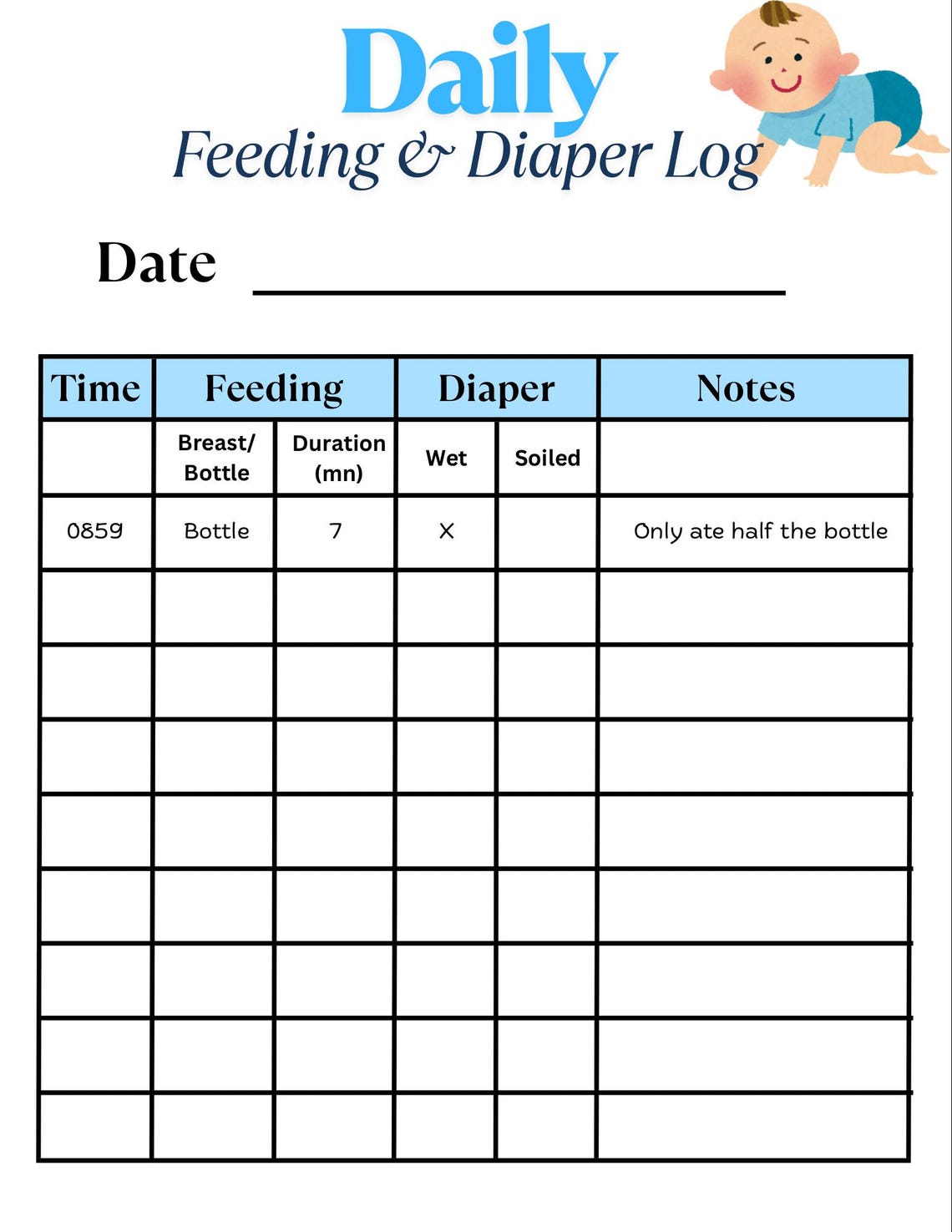
The Feeding And Diaper Chart Printable typically features a simple yet effective design. At a glance, you’ll notice sections dedicated to both feeding and diaper changes, often formatted in a grid or table layout. This design allows for quick reference and easy tracking.
Sections to Look For
- Date/Time: Each entry usually includes a space for the date and time of each feeding or diaper change. This chronological order helps you identify patterns in your baby’s routine.
- Feeding: There’s often a column dedicated to recording the type of feeding—whether breastfed or formula-fed—and the amount taken. This is particularly useful for monitoring your baby’s nutrition and growth.
- Diaper Changes: Another column is typically reserved for diaper changes, where you can note whether it was a wet or soiled diaper. This can help you identify any potential issues, such as diaper rash or dehydration.
- Notes: Some charts include a section for extra notes. This can be handy for jotting down observations about your baby’s health or changes in appetite.
The layout usually accommodates multiple days, allowing you to track your baby’s needs over a week or even a month, depending on your preference.
How to Fill In Your Feeding And Diaper Chart
Filling in the chart may seem straightforward, but there are a few tips to ensure you get the most out of it.
- Be Consistent: Make it a habit to fill out the chart after each feeding and diaper change. Consistency is key to getting a comprehensive overview of your baby’s habits.
- Use Clear Markings: When recording times and amounts, use clear handwriting or symbols. This ensures that anyone else reading the chart can easily understand it.
- Track Patterns: After using the chart for a week or so, take a moment to review it. Look for patterns in your baby’s feeding and diapering habits. This can help you anticipate needs and adjust schedules as necessary.
- Adjust as Needed: If you notice that your baby is consistently hungry at a certain time or is having more diaper changes than usual, consider adjusting your routine or consulting a pediatrician if concerns arise.
The Importance of Tracking Feeding and Diaper Changes
You might wonder why tracking these seemingly mundane details is so important. But keeping a close eye on your baby’s feeding and diaper changes can provide valuable insights into their health and well-being.
- Health Monitoring: Changes in feeding frequency or diaper output can signal health issues. For example, fewer wet diapers might indicate dehydration, while increased fussiness could suggest hunger.
- Easing Anxiety: New parents often worry about whether their baby is getting enough to eat. A chart can provide reassurance, as it allows you to visually confirm that your baby is feeding well.
- Preparation for Pediatrician Visits: Having a record of feeding and diaper changes can be incredibly useful during pediatrician appointments. You can provide detailed information if your doctor has questions about your baby’s habits.
Choosing the Right Paper and Print Settings
When it comes to printing your Feeding And Diaper Chart Printable, the quality of the paper and print settings can make a difference in usability.
- Paper Type: For best results, consider using cardstock. It’s sturdier and can hold up better to frequent handling. If you plan to laminate the chart for reuse, cardstock is a great choice.
- Size Matters: Most printables come in standard sizes, such as 8.5 x 11 inches. This size is compatible with most home printers. However, make sure to check your printer settings to ensure the chart prints correctly without cutting off any sections.
- Print Quality Settings: For clear, legible text, set your printer to a high-quality print setting. This will ensure that every letter and number is easily readable.
Customizing Your Chart
One of the great things about printable resources is the ability to customize them. While the standard Feeding And Diaper Chart Printable offers a solid framework, you can tailor it to better fit your needs.
- Add Color Coding: If you prefer a more visual approach, use colored pens or highlighters to differentiate between breastfed and formula-fed feedings. This can make the chart not only functional but also visually appealing.
- Incorporate Stickers: For a fun twist, consider using stickers to mark certain milestones, like your baby’s first solid food or a diaper rash occurrence. This can make the chart feel more personal and engaging.
- Create Sections for Other Needs: If you find that you also want to track sleep patterns or medications, consider creating additional columns or sections on your chart. This way, you can have all the important information in one place.
Where to Find and Download Your Feeding And Diaper Chart Printable
Finding a high-quality Feeding And Diaper Chart Printable is easier than ever. Many websites offer free or low-cost printables that you can download and use right away. Look for resources that allow you to download in PDF format, as this will ensure that the layout remains intact when printed.
- Printable Resource Websites: Many websites cater specifically to printables for parents. You can often find customizable options, allowing you to adjust fields to your liking.
- Social Media Groups: Parenting groups on platforms like Facebook may share links to free printables. These can be a great way to access community-vetted resources.
- Educational Blogs: Parenting blogs often feature downloadable content as part of their offerings. These charts can come with additional tips and tricks for new parents, making them highly valuable.