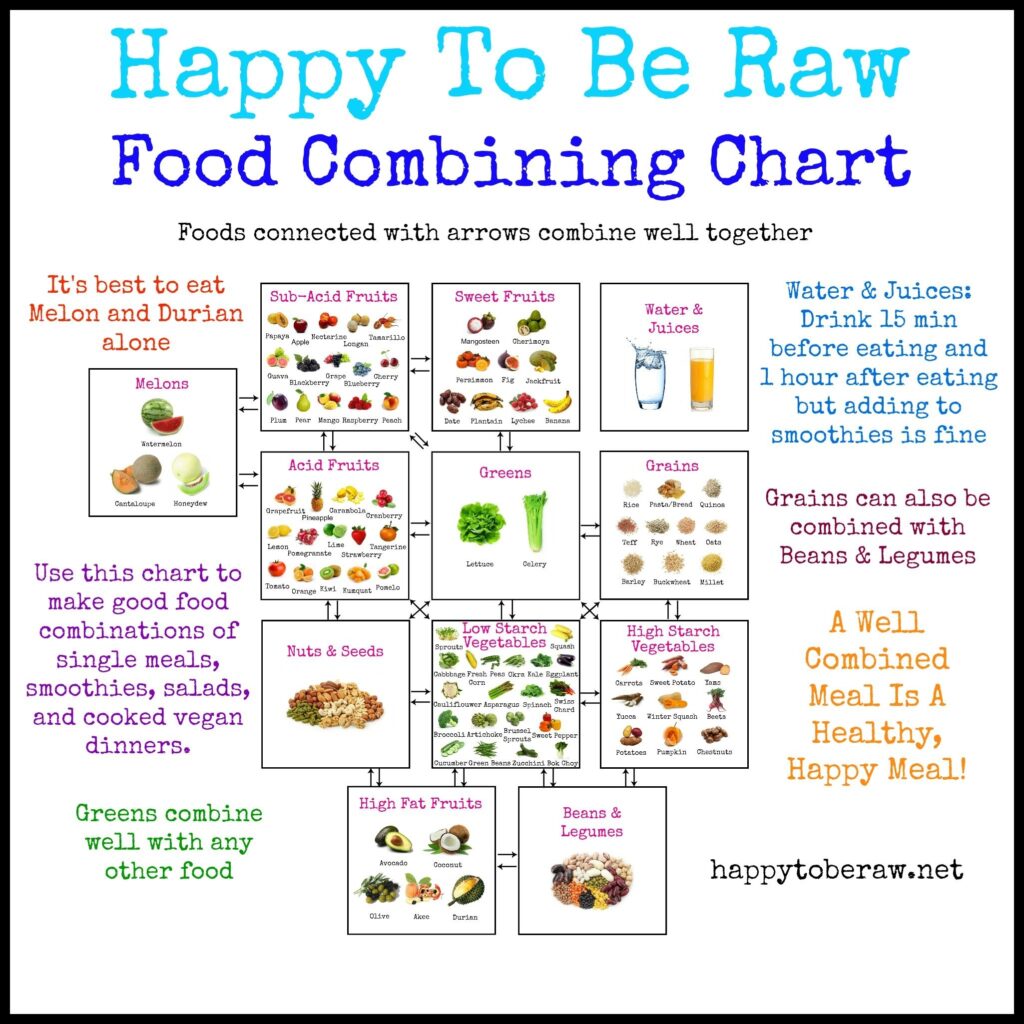
Food combining is a fascinating concept that can enhance digestion and overall health. If you’re looking for a practical way to implement this in your family’s meals, a Free Food Combining Chart Printable is an excellent resource. This chart helps you understand which foods pair well together and which should be kept separate for optimal digestion. In this article, I’ll guide you through the steps to choose, download, print, and effectively use this chart in your daily routine.
Understanding the Food Combining Basics
Before diving into the specifics of using the Free Food Combining Chart Printable, it’s essential to understand the principles of food combining. The idea is simple: different foods digest at different rates and require varying digestive enzymes. For example, proteins and starches digest best separately. When you combine foods that don’t digest well together, it can lead to discomfort and digestive issues.
Here’s a quick overview of the basic food combining rules:
- Proteins (meat, fish, eggs) pair well with non-starchy vegetables.
- Starches (grains, potatoes) should be combined with non-starchy vegetables as well.
- Fruits are best consumed alone or combined with other fruits.
Having a clear visual reference can make these rules easier to follow, especially when you’re planning meals for your family.
Choosing Your Free Food Combining Chart Printable
Finding the right Free Food Combining Chart Printable is the first step. Many resources are available online, but look for a chart that is clear and easy to read. Here are some tips on what to look for:
- Design: Choose a chart that’s visually appealing and straightforward. A well-organized layout will make it easier to reference while cooking.
- Content: Ensure the chart includes a comprehensive list of foods and their recommended combinations. Some charts even highlight common food pairings that work well together.
- Format: Opt for a PDF format if possible. This format ensures that the chart maintains its layout when printed, avoiding any distortion that can happen with image files.
Once you find a chart that meets these criteria, you can move on to the next step.
Downloading the Chart
After selecting the Free Food Combining Chart Printable that suits your needs, the next step is downloading it. Here’s how to do it seamlessly:
- Click the Download Link: Most websites will have a clear download button. Click on it, and your file should start downloading automatically.
- Save the File: Choose a location on your computer where you can easily find the file later, like your Desktop or a dedicated Downloads folder.
- Check the File Format: Ensure that the file is in PDF format for the best printing results.
If you encounter any issues during the download, try refreshing the page or checking for pop-up blockers that may interfere with the download process.
Printing Your Food Combining Chart
Now that you have your chart downloaded, it’s time to print it out. Here are some tips to ensure the best results:
- Printer Settings: Adjust your printer settings to ‘Portrait’ layout, as this will usually suit most charts better. Make sure to set the quality to ‘High’ for a clearer print.
- Paper Choice: If you’re going to use the chart frequently, consider printing it on cardstock. This will make it more durable and less likely to tear or get damaged.
- Size: Most charts are designed to fit standard paper sizes (8.5 x 11 inches). Check the dimensions before printing to avoid any scaling issues.
Once printed, you might want to laminate the chart for extra durability, especially if your kids will be using it in the kitchen.
Setting Up Your Food Combining Chart for Daily Use
With your chart printed and ready, it’s time to integrate it into your family’s meal planning. Here’s how to make the most out of your Free Food Combining Chart Printable:
- Display It Prominently: Hang the chart in a visible spot in your kitchen, like on the refrigerator or inside a cupboard door. This way, it’s easy to reference while cooking.
- Involve the Family: Teach your kids about food combining by using the chart together. This can be a fun educational activity and instill healthy eating habits.
- Meal Planning: Use the chart during your weekly meal planning sessions. When choosing recipes, refer to the chart to ensure you’re combining foods in a way that supports good digestion.
Using Digital Vs. Print Versions
You might be tempted to use a digital version of the chart on your phone or tablet. While this is convenient, I find that having a printed version works best in the kitchen. It allows for quick reference without the distraction of notifications or other apps. However, if you prefer the digital route, fillable PDFs can be useful for making notes or adjustments directly on the chart.
Adapting Recipes for Food Combining
As you become more familiar with food combining principles, you might want to adapt some of your favorite recipes. Here’s how:
- Swap Ingredients: If a recipe contains a protein and a starch, consider substituting one with a non-starchy vegetable. For instance, instead of serving chicken with rice, pair it with steamed broccoli.
- Create New Meals: Use the chart to inspire new meal ideas. If you see that lentils combine well with greens, try a lentil salad with spinach and vinaigrette.
- Experiment: Don’t be afraid to play with different combinations. Food combining is as much about finding what works for you and your family as it is about following guidelines.
Troubleshooting Common Issues
Sometimes, despite our best efforts, things don’t go as planned. Here are a few common issues you might encounter and how to handle them:
- Confusion Over Combinations: If you or your family members are confused about certain food pairings, take a moment to review the chart together. It’s all about learning and adjusting.
- Unforeseen Reactions: If you notice digestive discomfort after a meal, revisit your combinations. It might be that some foods aren’t working for you, even if they’re deemed compatible.
- Sticking to the Guidelines: It can be challenging to stick to food combining rules, especially when dining out or during holidays. Allow yourself some flexibility while trying to maintain balance.