Vital signs are crucial indicators of health, making it essential to keep track of them, especially for parents monitoring their children’s well-being. Having a Free Printable Blank Vital Signs Chart on hand can be a useful option for home health management. This guide will walk you through what a vital signs chart is, how to use it effectively, and the information you’ll need to fill it out.
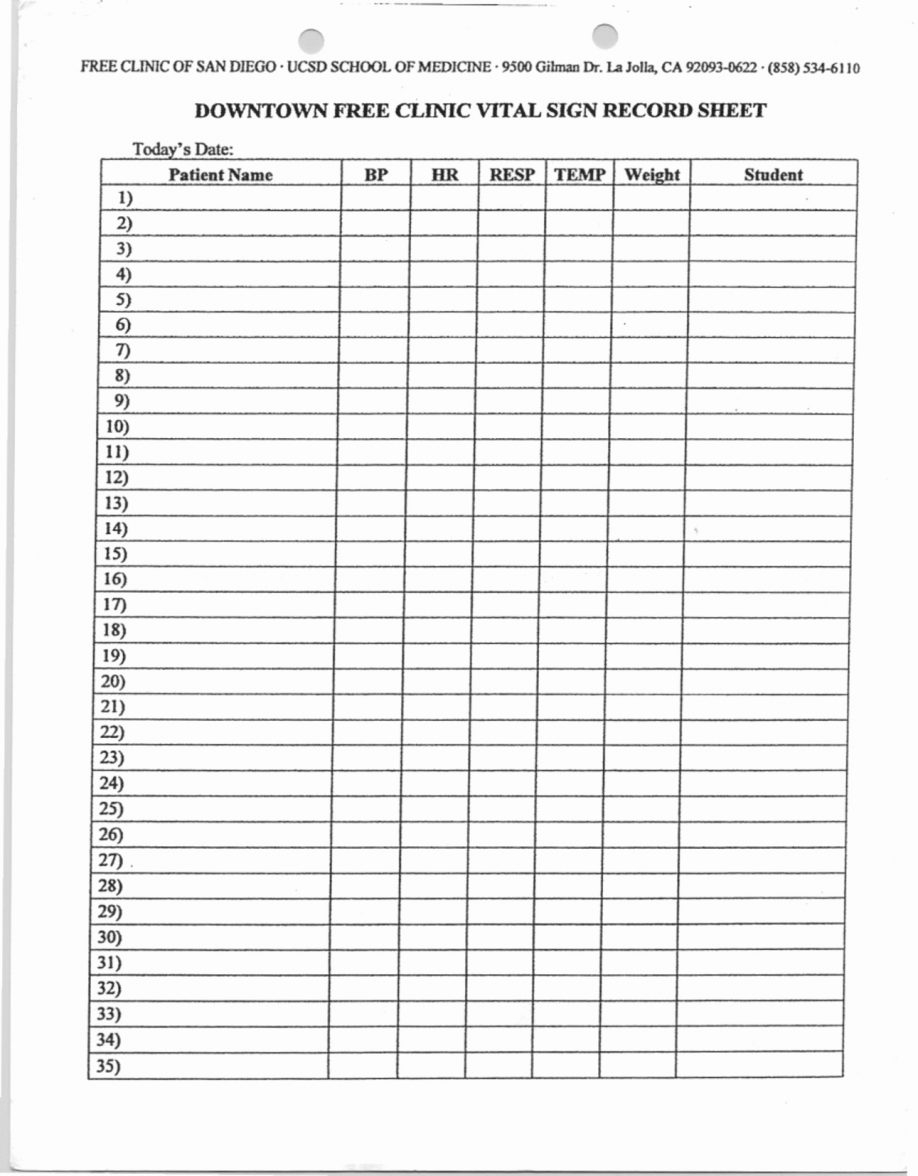
What is a Vital Signs Chart?
A vital signs chart is a simple yet effective tool used to record key health metrics, such as heart rate, blood pressure, respiratory rate, and temperature. This chart can be particularly useful in various scenarios, from managing chronic conditions to monitoring your child’s health during flu season. By keeping a record, you can easily identify trends or changes that may require medical attention.
Key Components of a Vital Signs Chart
Filling out a vital signs chart may seem straightforward, but knowing what to include can help ensure accuracy and usefulness. Here’s a breakdown of the essential sections typically found in a Free Printable Blank Vital Signs Chart:
- Date and Time: Document when the readings were taken. This is crucial for tracking changes over time.
- Patient’s Name: Include the name of the individual whose vital signs are being recorded. This helps avoid confusion, especially in a household with multiple family members.
- Heart Rate: Measured in beats per minute (BPM), this indicates how fast the heart is beating. A normal resting heart rate for children varies by age but generally falls between 70-100 BPM.
- Blood Pressure: Recorded in mmHg, this includes two numbers. The first (systolic) measures the pressure in your blood vessels when your heart beats, while the second (diastolic) measures the pressure when your heart rests between beats. Normal blood pressure for children can vary, so it’s useful to have reference charts handy.
- Respiratory Rate: This is the number of breaths taken per minute. For children, a normal range is typically between 20-30 breaths per minute.
- Temperature: Normal body temperature can vary depending on the method of measurement but is generally around 98.6°F (37°C). Knowing the normal range for your child is critical in determining if they might be ill.
- Notes: Space for any additional observations or comments, such as symptoms, medications, or recent activities.
How to Use Your Printable Chart
Using your Free Printable Blank Vital Signs Chart effectively can enhance your family’s health monitoring routine. Here’s how to make the most of it:
- Regular Monitoring: Decide how often you want to check the vital signs. For children, checking once a day might suffice, but if there are concerns, more frequent checks could be necessary.
- Preparation: Before taking any readings, ensure you have the right tools handy—thermometers, blood pressure cuffs, and a stopwatch for heart and respiratory rates.
- Taking Measurements:
- For heart rate, you can find the pulse at the wrist or neck and count beats for 30 seconds, then multiply by two.
- Blood pressure should be taken while sitting and resting; follow the instructions for your blood pressure monitor carefully.
- Count respiratory rates by observing the chest rise and fall for a full minute.
- Measure temperature using a digital thermometer, noting whether it was taken orally, rectally, or axillary.
- Recording Data: Once measurements are taken, fill out the chart immediately. This ensures accuracy and prevents forgetting the details later.
- Reviewing Trends: After a week or two, review the data to identify any patterns. If any readings are consistently abnormal, it might be time to consult a healthcare professional.
Where to Access the Printable Chart
You can easily find a Free Printable Blank Vital Signs Chart online. Ensure that you select a trusted website that offers quality templates. Most charts are available in PDF format, which is ideal for printing. Here are some tips for printing:
- Paper Size: Standard letter size (8.5 x 11 inches) works best for most home printers.
- Print Settings: Use portrait orientation for easier handling and storage. If you plan to laminate the chart for reuse, consider printing on cardstock for durability.
- Download Options: Ensure the downloaded file is high-resolution to avoid any quality loss when printing.
Tips for Maintaining Health Records
Keeping an organized health record can be beneficial not just for your family but also for healthcare providers during visits. Here are some tips to maintain your vital signs chart effectively:
- Storage: Keep the printed charts in a designated folder or binder. This makes it easy to access and review during doctor’s appointments.
- Digital Copies: Consider scanning or photographing the completed charts for digital backups. This way, you can easily share them with healthcare providers if needed.
- Update Regularly: Make it a routine to update the chart regularly. Consider setting reminders in your phone or calendar.
When to Seek Medical Advice
While tracking vital signs is important, knowing when to seek medical advice is equally crucial. If you notice any of the following, it may be time to consult a healthcare professional:
- Persistent high fever (above 100.4°F) in children.
- Unusually high or low heart rates consistently outside the normal range.
- Significant changes in blood pressure readings.
- Difficulty breathing or unusual respiratory rates.
- Any other concerning symptoms noted in the chart.
Having a Free Printable Blank Vital Signs Chart is a fantastic way to keep tabs on your family’s health. Not only does it make tracking easier, but it also empowers you with the information needed to make informed decisions. By regularly monitoring these vital signs, you’ll be better prepared to address health concerns as they arise.