Using a Behavior Chart For Kids Printable can be an effective way to manage and reinforce positive behavior in children. This resource is particularly useful for parents and teachers looking to encourage good habits and track progress over time. It provides a structured method for visualizing achievements, which can motivate children to strive for better behavior.
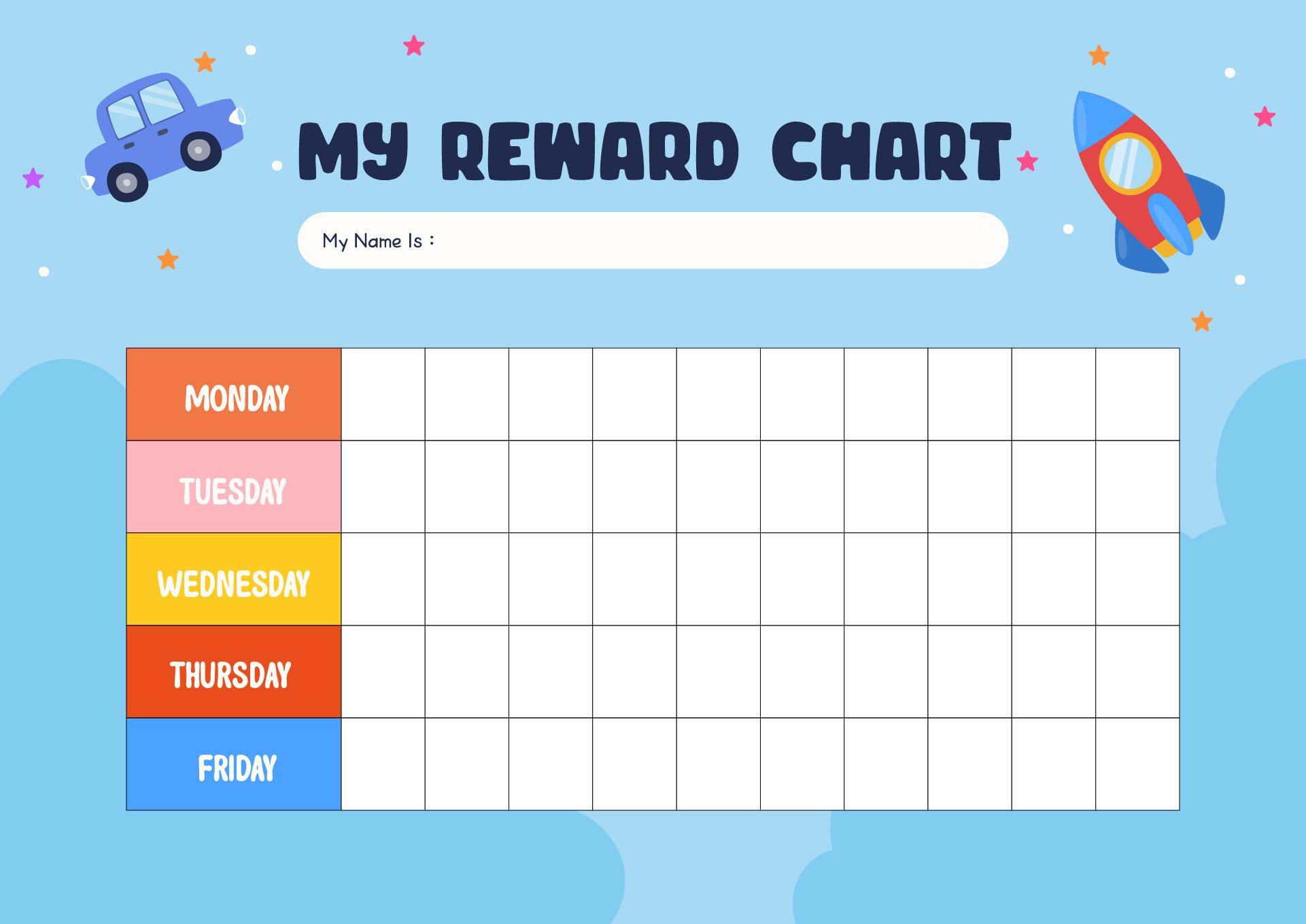
What is a Behavior Chart?
A behavior chart is a visual tool designed to help children understand their behavior in a clear, straightforward manner. It typically includes sections for tracking daily or weekly behavior, allowing for easy monitoring of progress. These charts can include various elements such as:
- Behavior Goals: Specific behaviors you want to encourage, like sharing toys or completing homework.
- Reward System: Incentives for achieving goals, such as stickers, stars, or other small rewards.
- Date and Time Sections: For tracking when specific behaviors occurred.
The layout helps organize important information, making it easy for both kids and parents to see how well they are doing. The chart can be printed, filled out, and displayed prominently, serving as a constant reminder of the behavior goals.
Who Can Benefit From a Behavior Chart?
Behavior charts are versatile tools that can benefit various groups, including:
- Parents: To track and encourage good behavior at home.
- Teachers: In classrooms to promote positive interactions among students.
- Caregivers: To maintain consistency in managing behavior across different environments.
These charts are particularly effective for children aged 3 to 12, as they can grasp the concept of tracking and rewards at this stage. By being visually engaging, they can capture children’s attention and help them understand the link between behavior and consequences.
How to Use a Behavior Chart For Kids Printable
Using a behavior chart effectively involves several steps. Here’s a practical guide:
- Choose the Right Chart: Select a behavior chart that suits your needs. Look for designs that are colorful and engaging to capture children’s interest.
- Define Behavior Goals: Clearly outline the behaviors you want to promote. For example, you might want to encourage sharing, completing chores, or showing kindness.
- Set Up a Reward System: Determine rewards for achieving behavior goals. This could be as simple as stickers, extra playtime, or a small treat.
- Fill in the Chart: As behaviors are exhibited, have your child mark their progress. This could be a sticker for good days or a checkmark for completed tasks.
- Review Progress Regularly: Take time each week to review the chart together. Celebrate successes and discuss areas for improvement. This reflection helps reinforce the positive behavior and encourages ongoing effort.
- Adjust as Needed: Don’t hesitate to tweak the goals or rewards based on what works best for your child. Flexibility can lead to better outcomes.
Tips for Printing and Presentation
When it comes to printing your behavior chart, a few simple tips can enhance its usability:
- Paper Quality: Use cardstock for durability, especially if the chart will be frequently marked on or handled. Cardstock holds up better against wear and tear compared to regular paper.
- Size Matters: Standard sizes like 8.5 x 11 inches are easy to print and fit well on most walls or bulletin boards. Consider a larger size if you want it to be more visible.
- Color Printing: Opt for color printing to make the chart more engaging. Bright colors can capture a child’s attention and make the chart more appealing.
- Laminating Options: If you plan to reuse the chart, consider laminating it. This allows you to use dry-erase markers for easy updates without needing a new printout each time.
Different Types of Behavior Charts
There are various types of behavior charts available, each tailored to different needs and styles. Here are a few popular types:
- Daily Behavior Charts: These allow for daily tracking of specific behaviors, making them ideal for more immediate feedback.
- Weekly Behavior Charts: These charts provide a broader view, tracking behavior over a week, which can be useful for establishing longer-term goals.
- Themed Charts: Some charts come with themes (like superheroes or animals) that can make the process more fun and relatable for children.
- Customizable Charts: Look for templates that allow you to customize the goals and rewards according to what will resonate most with your child.
Incorporating Feedback and Adjustments
Feedback is crucial in the process of using a behavior chart. It’s important to discuss with your child how they feel about their progress. Are they enjoying the rewards? Do they find the goals achievable? Regular check-ins can help you gauge what’s working and what might need adjustments.
If a certain behavior is consistently not being met, consider revisiting the goal. Perhaps it’s too challenging, or maybe it needs to be broken down into smaller, more manageable steps. The goal is to keep the process positive and encouraging rather than overwhelming.
Where to Find Printable Behavior Charts
You can find a variety of Behavior Chart For Kids Printable options online. Many websites offer free or low-cost downloads. Here are some places to look:
- Educational Websites: Sites dedicated to teaching resources often have behavior charts available for download.
- Parenting Blogs: Many blogs feature free printable resources, including behavior charts tailored for different age groups or themes.
- Printable Resource Websites: These platforms specialize in offering various printables, including calendars, planners, and of course, behavior charts.
When selecting a chart, ensure it’s from a reputable source to guarantee quality and usability.