Learning to play the flute can be an exciting journey for both kids and parents. One essential tool that can help beginners is a Flute Finger Chart For Beginners Printable. This chart provides a visual guide to finger placements for different notes, making it easier for young musicians to learn and practice. In this article, I’ll walk you through how to effectively use this printable resource, as well as tips for downloading and printing for the best results.
Understanding the Flute Finger Chart
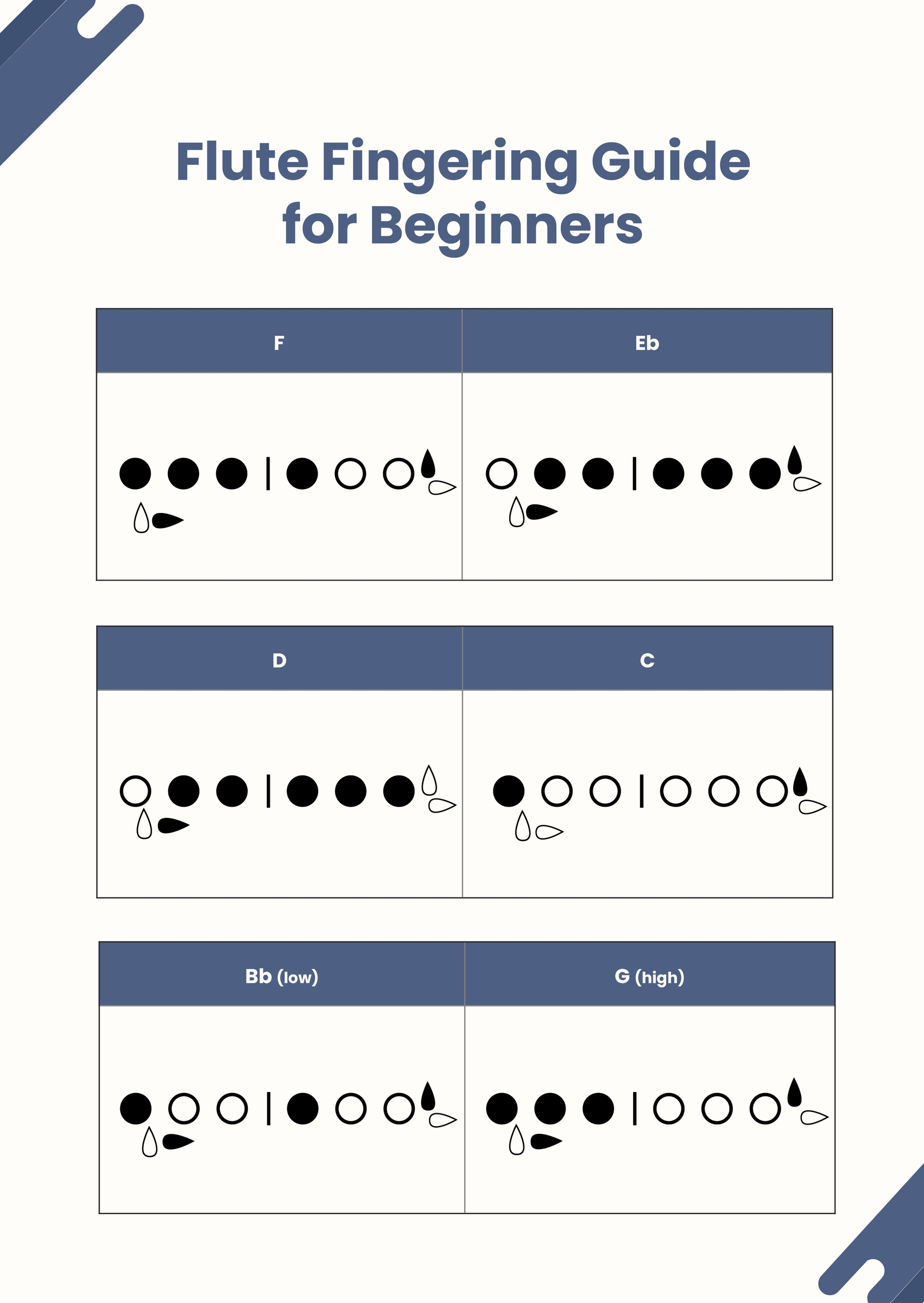
A flute finger chart typically displays the various notes along with their corresponding finger placements on the instrument. Each note is represented with a simple diagram that shows which keys to press. This visual aid is particularly helpful for beginners who may struggle with memorizing finger positions.
When using a finger chart, you can easily reference it while practicing. Place it on a music stand or near your practice area. This way, your child can glance at it whenever they’re unsure of a note. The chart usually includes a range of notes from B to high C, covering the basics needed for most beginner songs.
Downloading Your Flute Finger Chart
Finding the right Flute Finger Chart For Beginners Printable is simple. Many websites offer free downloads. Here’s a step-by-step guide:
- Search Online: Use search engines like Bing or Google and type “Flute Finger Chart For Beginners Printable.” You’ll find various options.
- Choose a Reliable Source: Look for reputable sites that provide educational resources. Websites dedicated to music education often have high-quality charts.
- Select the Format: Most charts are available in PDF format, which is ideal for printing. PDFs maintain their formatting, ensuring that the chart looks the same when printed.
- Download the File: Click the download link. Your browser will typically save the file in your “Downloads” folder.
Printing Your Flute Finger Chart
Once you have your Flute Finger Chart downloaded, it’s time to print it. Here are some tips to ensure your chart comes out perfectly:
- Select the Right Paper Size: Standard letter size (8.5 x 11 inches) is commonly used for printable charts. Make sure your printer settings match this size.
- Paper Type: For durability, consider using cardstock. It holds up better over time compared to regular printer paper, especially if it’s going to be handled frequently.
- Print Settings: Choose portrait orientation for most charts. This orientation typically works best for the layout of finger charts. Ensure that you set the print quality to high for the clearest results.
Using the Flute Finger Chart in Practice
Now that you have your Flute Finger Chart printed, how can you effectively incorporate it into your practice routine? Here are some practical tips:
- Daily Reference: Encourage your child to keep the chart nearby during practice. This will help them quickly reference finger positions without disrupting their flow.
- Learning New Notes: When introducing a new note, point it out on the chart. Show your child the corresponding finger placement and have them practice the note while looking at the chart.
- Color-Coding: To make learning more engaging, consider color-coding the notes. For example, use different colors for different scales or octaves. This visual aid can help children grasp concepts more quickly.
- Progress Tracking: Create a simple checklist next to the chart to track progress. As your child masters each note, they can mark it off the list, providing a sense of achievement.
Additional Resources for Flute Beginners
While the Flute Finger Chart For Beginners Printable is a fantastic starting point, there are additional resources that can enhance your child’s learning experience:
- Video Tutorials: Many online platforms offer free tutorials on flute playing. These can provide visual and auditory examples of how to play each note.
- Sheet Music: Look for beginner sheet music that corresponds to the notes on the chart. Playing songs they enjoy will motivate them to practice more.
- Music Apps: There are several apps designed to help beginner musicians. These can provide interactive guidance, including finger placement and note recognition.