When it comes to meal planning, understanding portion sizes is crucial for maintaining a balanced diet, especially for families with children. That’s where the Daily Serving Printable Portion Sizes Chart comes in handy. This resource helps you visualize and manage the right amounts of food for various age groups and dietary needs. Let’s explore how to effectively use this chart, what information it contains, and how it can fit seamlessly into your daily routine.
What is the Daily Serving Printable Portion Sizes Chart?
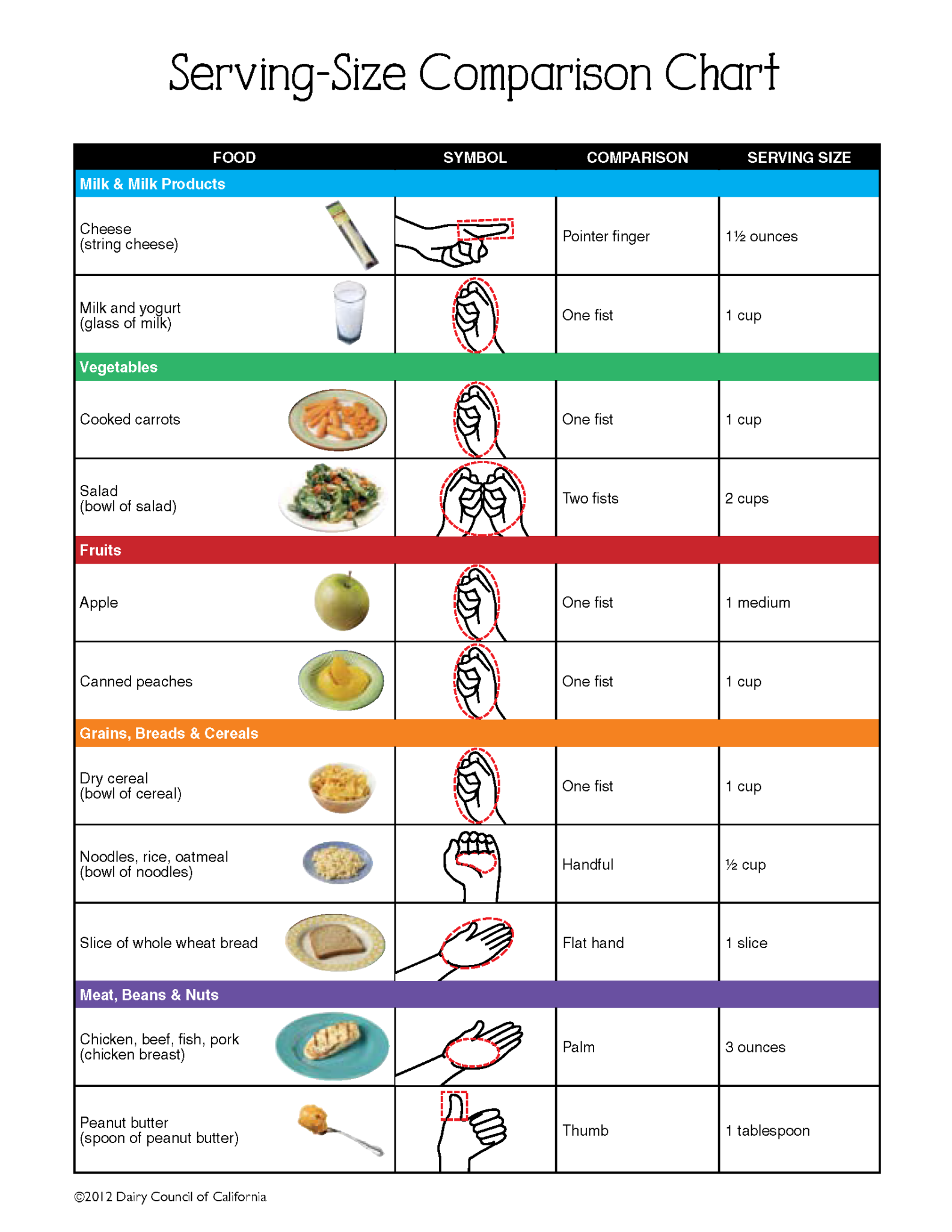
The Daily Serving Printable Portion Sizes Chart is a straightforward tool designed to help you determine the appropriate serving sizes for different food groups. It typically includes measurements for fruits, vegetables, grains, proteins, and dairy. This chart can be particularly beneficial for parents who want to ensure their children are eating the right amounts of food without overindulging.
The chart is usually formatted for easy printing, making it accessible to hang in your kitchen or keep in a meal planning binder. It serves as a quick reference guide when preparing meals, allowing for better portion control and healthier eating habits.
How to Use the Portion Sizes Chart
Using the Daily Serving Printable Portion Sizes Chart is simple and effective. Here’s a step-by-step guide to getting the most out of it:
- Print the Chart: Choose a paper size that fits your space. A standard 8.5” x 11” works well for most kitchens. If you have access to a color printer, consider printing it in color for better visibility.
- Identify Your Food Groups: Familiarize yourself with the different food groups listed on the chart. Each group will have recommended serving sizes based on age and dietary guidelines, which can vary for children and adults.
- Plan Your Meals: Refer to the chart while planning meals for the week. This will help you balance your meals with the right proportions of protein, carbohydrates, and vegetables.
- Use It While Cooking: Keep the chart handy while cooking or serving meals. It can help you gauge how much to serve your family, preventing waste and promoting healthy eating.
- Adapt as Needed: While the chart serves as a guideline, individual needs may vary. Adjust serving sizes based on specific dietary needs or preferences, particularly for children who may have unique nutritional requirements.
Key Features of the Portion Sizes Chart
To make the most of the Daily Serving Printable Portion Sizes Chart, it’s essential to understand its features:
- Visual Layout: The chart is typically organized in a clear, easy-to-read format. Food groups are often color-coded or separated into sections for quick reference.
- Serving Size Recommendations: Each food group includes recommended serving sizes, often broken down by age group. For example, a toddler may need fewer servings of grains than an adult.
- Helpful Tips: Many charts include tips for measuring portions accurately, such as using common kitchen tools (like measuring cups) or visual cues (like comparing serving sizes to everyday objects).
- Printable Format: Designed for easy printing, you can download it as a PDF or image file, ensuring that you can print it without any formatting issues.
Where to Place Your Portion Sizes Chart
Once printed, consider where to keep your Daily Serving Printable Portion Sizes Chart for maximum utility. Here are a few suggestions:
- On the Fridge: A magnetic version or a simple tape placement keeps it visible and accessible for quick checks while cooking.
- Meal Planning Binder: If you keep a meal planning binder, include the chart in the front pocket for easy access during planning sessions.
- Dining Area: Consider placing it near the dining table to remind family members of portion sizes during meals.
Adapting the Chart for Different Needs
The Daily Serving Printable Portion Sizes Chart is versatile. Here’s how you can adapt it for specific dietary needs or preferences:
- For Picky Eaters: If you have a child who is a picky eater, use the chart to explore different food options within each group, encouraging them to try new things while adhering to portion sizes.
- For Special Diets: If someone in your family is following a specific diet (like vegetarian or gluten-free), adjust the food groups accordingly. You can create a customized chart that fits your family’s dietary needs, using the standard chart as a base.
- For Activity Levels: Active children or adults may require larger portions, particularly of proteins and carbohydrates. Use the chart as a starting point and adjust based on activity levels.