Using a Daily Reward Chart For Kids Printable can be a fantastic way to encourage positive behavior and help your child stay motivated. These charts are not just colorful and fun; they provide a structured method to track achievements, making it easier for both you and your child to visualize progress. In this guide, I’ll walk you through how to make the most of these charts, including what information to include and tips for effective use.
What is a Daily Reward Chart?
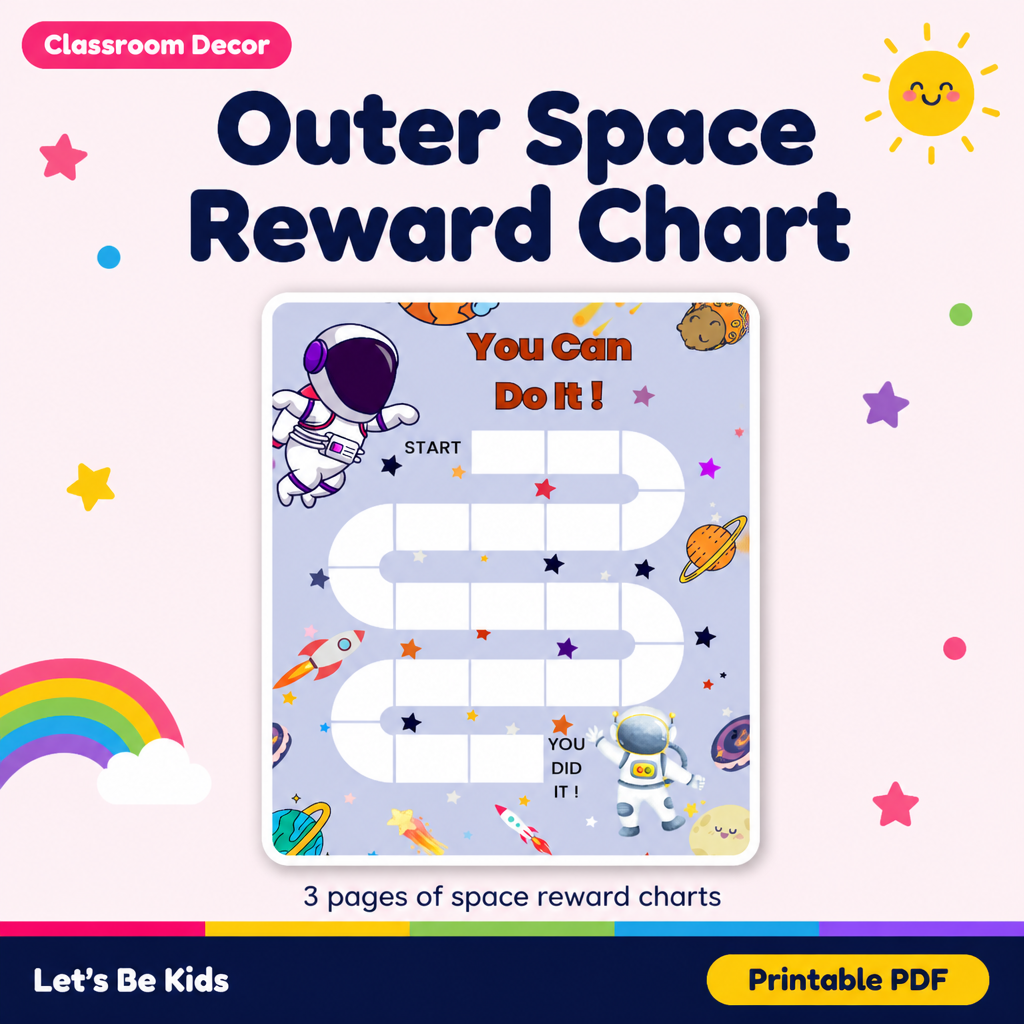
A Daily Reward Chart is a visual tool designed to help children understand and track their behavior and accomplishments over time. Typically, these charts include space for daily tasks or behaviors that you wish to encourage, such as completing homework, chores, or practicing good manners.
The primary aim is to create a sense of achievement for your child as they complete tasks and earn rewards. Rewards can be as simple as stickers, small treats, or extra playtime, depending on what motivates your child the most. The visual nature of the chart makes it easy for kids to engage with their progress, helping them feel more in control of their actions.
How to Use a Daily Reward Chart
Setting Up Your Chart
Before diving in, it’s important to set up the chart thoughtfully. You’ll want to gather a few materials:
- Printable Template: Look for a Daily Reward Chart For Kids Printable that suits your style. Many templates are available online, often in PDF format, making them easy to print.
- Writing Utensils: Use colorful markers or crayons to fill in the chart. This not only makes the chart visually appealing but also keeps your child engaged.
- Rewards List: Prepare a list of rewards that your child can earn. Discuss these with them to ensure they are excited about the possibilities.
Filling Out the Chart
Once you have your chart ready, you can start filling it out. Here are some tips:
- Daily Tasks: Write down the specific behaviors or tasks your child will be working on. Keep the list manageable—3 to 5 tasks are usually ideal for younger children.
- Date: Include a date field so you can track progress over time. This can be especially helpful when reviewing achievements at the end of the week or month.
- Reward Tracking: Create a section for rewards earned. This can be a simple tally or a space to place stickers when a task is completed.
Reviewing Progress
At the end of each week, sit down with your child and review their progress. Discuss what they did well and where they can improve. This isn’t just about filling in the chart; it’s an opportunity for you to acknowledge their hard work and discuss how they feel about their achievements.
Encouraging open communication during this review can help build their confidence and reinforce positive behaviors.
Tips for Effective Use
Consistency is Key
For a Daily Reward Chart to be effective, consistency is essential. Make it a part of your daily routine. Set aside a specific time each day for your child to update their chart. This could be after dinner, before bedtime, or whenever you feel it fits best into your schedule.
Choose Appropriate Rewards
The rewards you choose should be meaningful to your child. Take the time to discuss what they would like to earn for completing their tasks. This could be a favorite snack, a special outing, or extra screen time. Make sure the rewards are achievable and proportionate to the tasks, so your child feels a sense of accomplishment.
Be Flexible
While consistency is important, it’s also crucial to be flexible. If tasks become too easy or too difficult, adjust them as needed. The goal is to keep your child engaged and motivated without creating frustration.
Where to Find Daily Reward Charts
A variety of Daily Reward Chart For Kids Printable templates are available online. Websites dedicated to educational resources often feature free or low-cost downloads. When selecting a chart, look for ones that are colorful and engaging, as these will likely capture your child’s attention better.
Some sites also offer customizable options, allowing you to tailor the chart to your child’s specific needs. This can be especially helpful if you want to integrate specific tasks or behaviors that are unique to your household.