Understanding measurements can sometimes feel like trying to decode a secret language, especially when you’re juggling different systems. That’s why a Free Printable Measurement Conversion Chart can be your best friend in the kitchen, classroom, or craft room! This handy resource breaks down conversions between metric and imperial units, making it super easy for you and your kids to tackle recipes, school projects, or DIY crafts without the headache of doing math on the fly. Let’s explore how to make the most of this resource!
What Is a Measurement Conversion Chart?
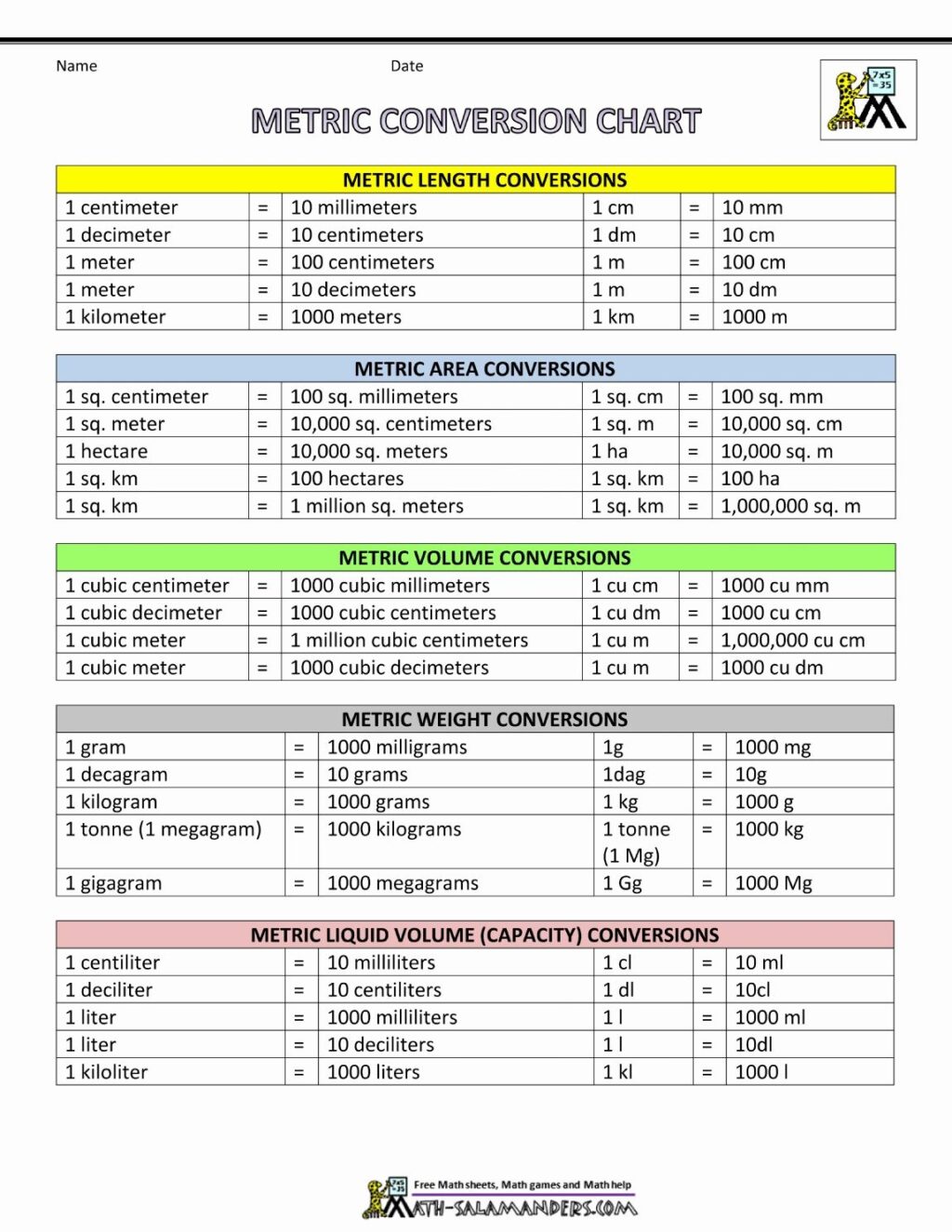
A measurement conversion chart is a visual guide that helps you convert one unit of measurement to another. Think of it as a translator for measurements! If you are converting ounces to cups, feet to meters, or Fahrenheit to Celsius, this chart lays out all the information in one easy-to-read format.
Typically, a measurement conversion chart will include:
- Volume conversions (like cups to liters)
- Weight conversions (like pounds to kilograms)
- Length conversions (like inches to centimeters)
- Temperature conversions (like Fahrenheit to Celsius)
With a printable version, you can have it right at your fingertips whenever you need it. It’s especially handy for parents like us who might be guiding our kids through homework or cooking together.
How to Use the Measurement Conversion Chart
Using a measurement conversion chart is straightforward! Here’s how to get started:
- Identify the Measurement: Determine what you need to convert. For instance, if you’re following a recipe that requires 2 cups of flour but your measuring cup only shows ounces, you’ll want to find the equivalent in ounces.
- Find the Right Section: Look at the chart and locate the section that corresponds to the type of measurement you’re working with—volume, weight, length, or temperature.
- Read Across the Chart: Once you find your starting measurement, read across to find the equivalent in your desired unit. For example, if you’re converting 1 cup to ounces, you’ll see that 1 cup equals 8 ounces.
- Double-Check: If you’re using this for something important, like baking, it’s always a good idea to double-check your conversions.
- Print and Display: Print the chart and keep it somewhere accessible, like on the fridge or in a kitchen drawer, so you can quickly reference it when needed.
Who Can Benefit From a Measurement Conversion Chart?
A measurement conversion chart is useful for everyone, but here are a few specific groups that will find it especially handy:
Parents and Caregivers
As parents, we often find ourselves in the kitchen cooking up meals or helping our kids with school projects. This chart can save you time and prevent confusion, especially when your child brings home a recipe or a science project that requires precise measurements. It’s also a great teaching tool to help kids understand measurements better.
Students
For students, especially those in middle school or high school, a measurement conversion chart can be invaluable. Whether they’re doing a science experiment that requires precise measurements or working on math problems that involve unit conversions, having this resource can boost their confidence and accuracy.
Cooks and Bakers
If you enjoy cooking or baking, you know that recipes often mix measurements from different systems. A quick glance at your measurement conversion chart can help you avoid mishaps in the kitchen when a recipe calls for unusual units.
Where to Keep Your Printable Chart
Once you’ve downloaded your Free Printable Measurement Conversion Chart, consider the best places to keep it:
- Kitchen: Hang it on your fridge or keep it in a drawer with your measuring cups.
- Craft Room: If you love crafting, keep a copy in your craft supplies to help with any measurements you need for DIY projects.
- Home Office: Students can keep it in their homework area for easy access during study sessions.
Having it in a visible and accessible spot will remind you to use it, making conversions much easier!
Customizing Your Measurement Conversion Chart
While a standard measurement conversion chart covers most common conversions, you might want to customize it to fit your specific needs. Here’s how:
- Add Personal Notes: If there are specific conversions you use often (like a favorite recipe that requires unique measurements), jot those down on the chart.
- Color Code: Use colored markers to highlight sections relevant to your family’s cooking or school projects, making it quicker to find what you need.
- Laminate It: If you think you’ll be using it frequently, consider laminating your chart. This will protect it from spills and stains, keeping it in tip-top shape for years.
Additional Resources for Measurement
If you’re interested in expanding your measurement knowledge further, consider these additional resources:
- Online Converters: There are many websites and apps available that can convert measurements for you. These can be especially useful when you’re on the go.
- Educational Worksheets: Look for printable worksheets that focus on measurement conversions for your kids. They can practice while you work together in the kitchen or during homework time.