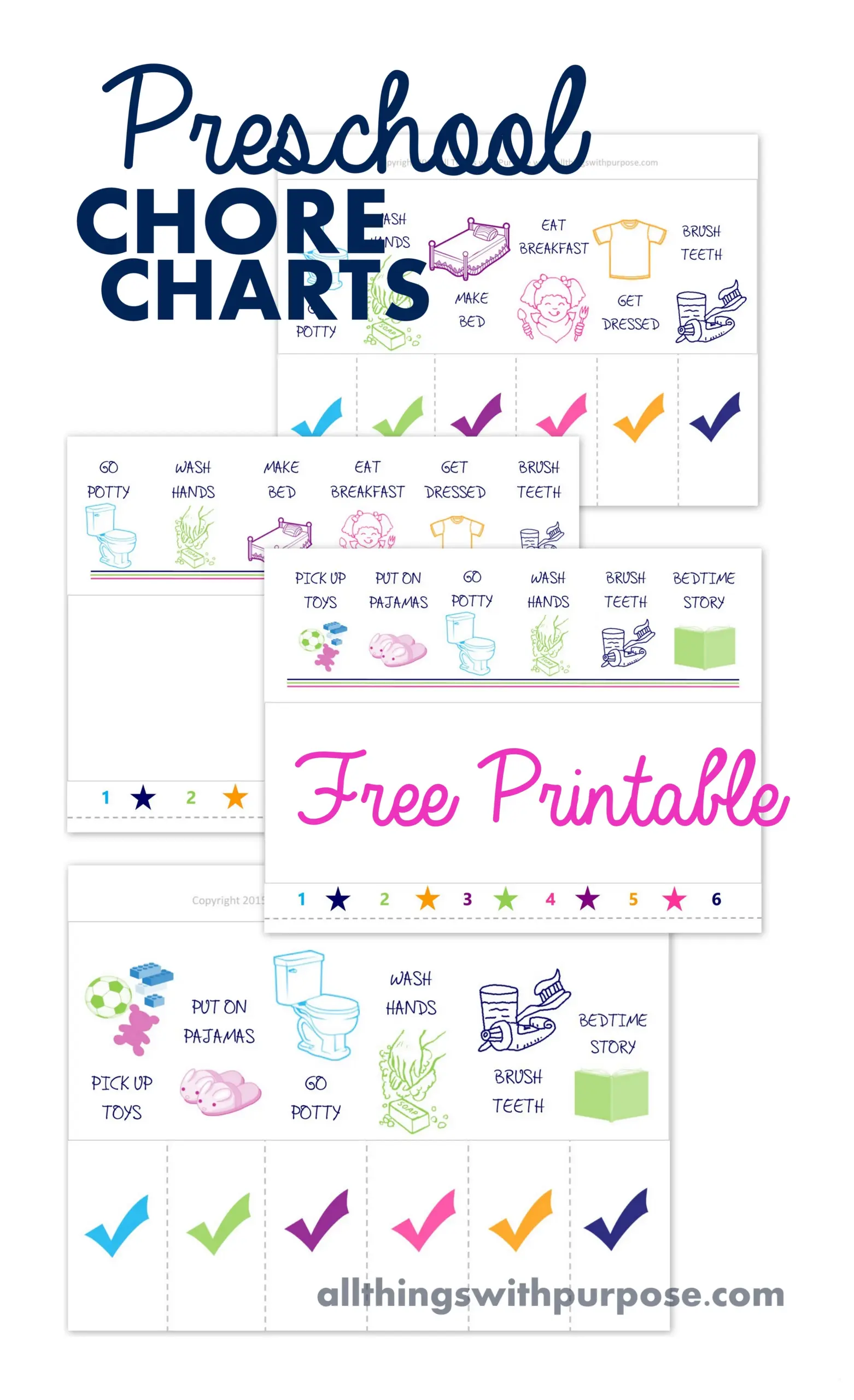
Getting your preschooler to help out around the house can feel like a daunting task. Many parents struggle with how to engage their little ones in chores without it becoming a battle. The solution? Free Printable Chore Charts For Preschoolers! These handy resources can make tasks manageable, fun, and rewarding for your child. By introducing a structured approach to chores, you can foster a sense of responsibility and independence in your preschooler while minimizing frustration for both of you.
Understanding the Benefits of Chore Charts
Chore charts are more than just a list of tasks; they serve multiple purposes in your child’s development. First, they help establish routines. Consistency is key for preschoolers, and having a visual guide can reinforce expectations. Second, chore charts can build a sense of accomplishment. When your child sees tasks being checked off, they get a tangible sense of progress. Lastly, these charts can enhance your child’s understanding of teamwork and family responsibilities, making them feel like an integral part of the household.
How to Choose the Right Printable Chore Chart
Not all chore charts are created equal. When searching for Free Printable Chore Charts For Preschoolers, consider these factors:
- Age-Appropriate Tasks: Ensure the chart includes tasks suitable for preschoolers. Simple chores like putting away toys, helping set the table, or sorting laundry work well.
- Visual Appeal: Look for colorful designs that catch your child’s eye. Engaging visuals can motivate them to participate.
- Customizability: Some charts allow you to add or remove tasks based on your family’s needs. This flexibility can make the chart more effective.
Setting Up the Chore Chart
Once you’ve selected the perfect chore chart, it’s time to set it up. Here’s a practical checklist to follow:
- Print the Chart: Use a standard 8.5 x 11-inch paper for easy printing at home. Consider using cardstock for durability if you plan to laminate it.
- Choose a Location: Find a spot that is easily visible and accessible for your child, like the kitchen or their playroom. This visibility encourages them to check the chart regularly.
- Select Tasks Together: Sit down with your preschooler and go through the tasks on the chart. Let them choose which chores they would like to take on. This involvement increases their willingness to participate.
- Introduce Rewards: Consider adding a rewards system. Stickers, small treats, or extra playtime can motivate your child to complete their chores.
- Review Progress Regularly: Take time each week to review the completed tasks with your child. Celebrate their accomplishments and discuss any challenges they faced.
Adapting Chore Charts to Your Routine
Every family has its own unique routine, and your chore chart should reflect that. Here are some tips for adapting the chart to fit seamlessly into your daily life:
- Daily Check-ins: Incorporate chore time into your daily schedule. For instance, after breakfast, you might designate 10 minutes for chores before playtime.
- Flexibility is Key: Life can be unpredictable. If a day is particularly hectic, it’s okay to adjust the tasks. The goal is to create a positive experience, not add stress.
- Rotate Tasks: Keep things fresh by rotating tasks every few weeks. This prevents boredom and teaches your child different skills.
Tips for Making Chores Fun
Turning chores into a fun activity can make all the difference for your preschooler. Here are some ideas to consider:
- Play Music: Create a chore playlist. Music can lighten the mood and make tasks feel less like work.
- Incorporate Games: Turn chores into a game. For example, see who can pick up the most toys in one minute.
- Create a Family Chore Day: Dedicate one day a week where the whole family does chores together. This builds teamwork and makes chores feel less isolating.
Reviewing and Adjusting the Chore Chart
After using the chore chart for several weeks, take a moment to assess its effectiveness. Ask yourself the following questions:
- Are the tasks age-appropriate and manageable for your child?
- Is your child engaging with the chart, or does it seem ignored?
- Are rewards motivating enough?
Based on your observations, don’t hesitate to adjust the chart. You might find that certain tasks are too challenging or that your child thrives with more responsibilities.