Understanding the metric system can be a challenge, especially for kids learning about measurements in school. That’s where a Free Printable Metric System Chart comes in handy! This resource is a fantastic way to help your family grasp the metric units and conversions they will encounter in everyday life. In this article, I’ll guide you through how to use this chart effectively, ensuring your children not only download it but also benefit from it in their learning.
Why Use a Metric System Chart?
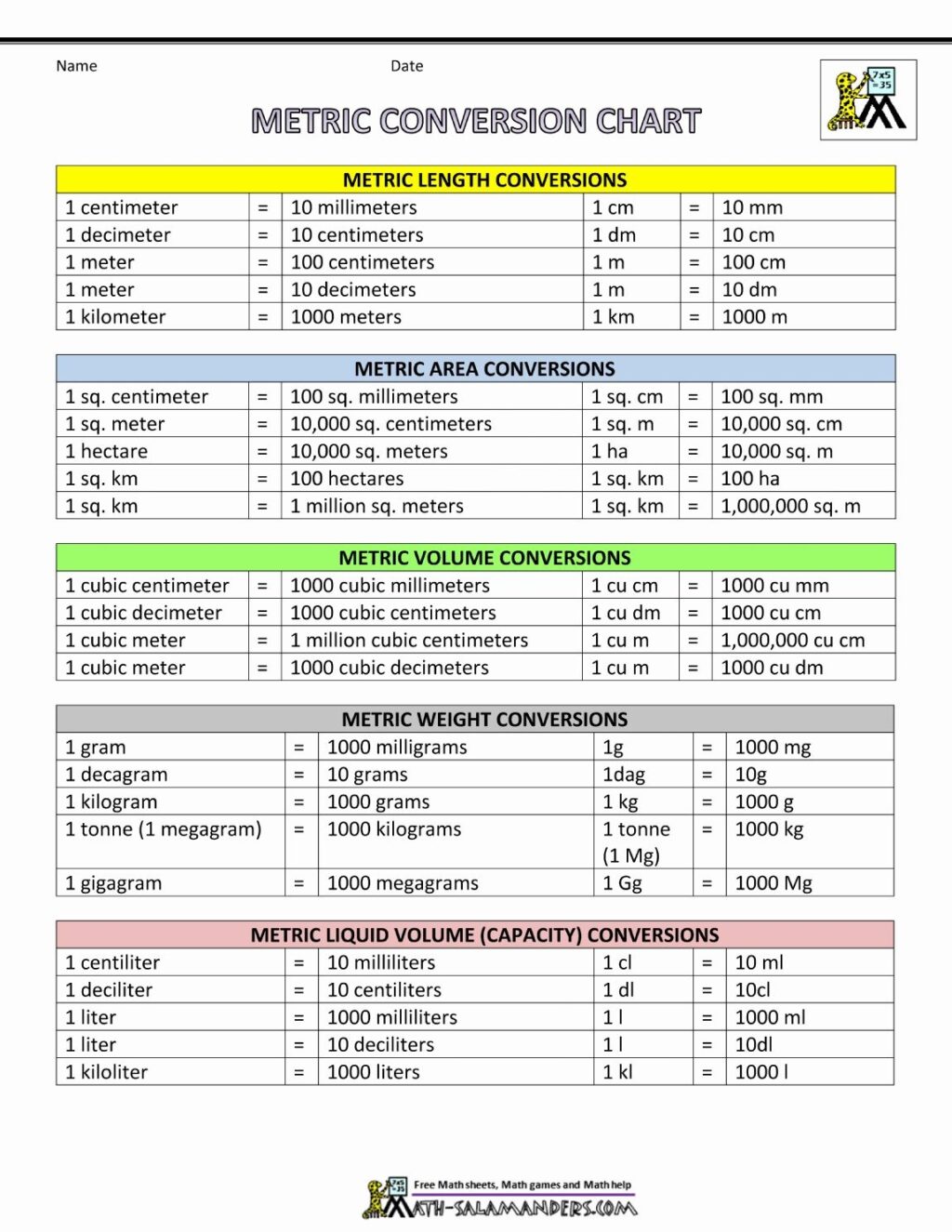
A metric system chart serves a crucial purpose. It provides a clear visual reference for metric units such as meters, liters, and grams, along with their conversions. When kids are faced with math problems involving these units, having a chart nearby helps them quickly find the information they need without feeling overwhelmed.
Using a metric chart can enhance your child’s understanding of measurements, making it easier for them to tackle homework and real-world applications. For instance, if your child is cooking, they’ll need to convert grams to kilograms or milliliters to liters. This chart simplifies that process significantly.
How to Download and Print the Chart
Getting your Free Printable Metric System Chart is straightforward. Here’s a step-by-step guide:
- Find a Reliable Source: Look for a trustworthy website that offers free educational resources. You might already have a favorite site for printable materials.
- Locate the Chart: Search for “Free Printable Metric System Chart” on the site. You should find a downloadable PDF or image file.
- Download: Click on the download button. If it’s a PDF, make sure you have a PDF reader installed on your device.
- Print: Open the downloaded file and select the print option. For best results, use standard A4 or letter-sized paper. If you want it to last longer, consider printing it on cardstock.
- Prepare for Use: Once printed, you can hang it in a common area like the kitchen or your child’s study space. This visibility will encourage regular use.
Organizing the Information on the Chart
Understanding how to read and use the chart is essential. Most metric charts will include:
- Basic Units: This typically covers length (meters), volume (liters), and mass (grams).
- Conversions: The chart should show how to convert between different metric units. For example, 1 liter equals 1000 milliliters, and 1 kilogram equals 1000 grams.
- Common Uses: Some charts might also provide examples of where you might encounter these measurements in real life.
By organizing these details clearly, your family can quickly reference the chart when they need to make quick calculations or conversions.
How to Incorporate the Chart Into Daily Learning
Using the metric chart can be a fun and interactive way to reinforce learning at home. Here are a few suggestions:
- Cooking Together: Involve your kids in cooking. Ask them to measure ingredients using metric units. If a recipe calls for 250 grams of flour, have them use the chart to convert this to kilograms or find out how much that is in ounces if needed.
- Science Projects: If your child has a science project that requires measurements, encourage them to use the metric chart. This could be measuring liquids for chemical reactions or calculating distances in experiments.
- Games and Quizzes: Create fun quizzes based on the chart. For instance, ask your child to convert 500 milliliters to liters or identify what unit is best for measuring a small amount of sugar.
- Daily Measurements: Use the chart to measure things around the house. For example, if measuring the height of a plant, have your child record it in centimeters and convert it to meters.
Common Mistakes to Avoid
While using the metric system chart is relatively straightforward, there are a few common pitfalls to watch for:
- Mixing Units: Ensure your child understands not to mix metric and imperial units. For example, don’t convert liters to gallons directly without using the correct conversion factor.
- Forgetting Decimal Places: When converting between units, decimal placement is crucial. Remind your child that 1.5 liters is not the same as 150 milliliters. Reinforcing this can prevent future confusion.
- Neglecting to Use the Chart: Sometimes, kids might overlook using the chart because they feel confident. Encourage them to refer to it consistently until they are fully comfortable with the metric system.
Enhancing Understanding With Additional Resources
While the Free Printable Metric System Chart is an excellent starting point, it can be beneficial to complement it with other resources. Here are a few ideas:
- Online Videos: Look for educational videos that explain the metric system in relatable terms. Visual learning can reinforce the material and provide different perspectives.
- Interactive Apps: There are several apps available that focus on measurement and metric conversions. These can add an element of fun while learning.
- Workbooks: Consider purchasing or downloading workbooks that include exercises on metric measurements. These often provide practical problems for kids to solve, reinforcing their understanding.
- Flashcards: Create flashcards with different metric units and their conversions. This can be a fun activity for younger kids, making learning feel like a game.